
 0 items –
How do you choose the right fridge for your shop? There are a lot of options out there, and the brands, styles, and price points vary widely. Don’t worry – we’re here to help! The following guide will walk you through the basics of shopping for refrigeration equipment so that you can be confident in your decision when making your purchase.
When opening a new shop, one of the first things you’ll need to do is select the right refrigerator to meet your needs. But with all the different options out there, from small to large and from commercial to display, how can you know which fridge will be best? In this guide, we’ll take a look at the most important factors to consider when selecting a fridge for the shop as well as highlight some of the best fridges out there on the market today.
The commercial refrigerator you choose to use in your business will be one of the most important purchases you make, as it’s sure to outlast any other appliance and can potentially save your business thousands of dollars over the years. But with so many fridge types and brands on the market, how do you know which one to pick? With this guide, we’ll help you compare three popular fridge options as well as give you tips on what to look for when shopping around.
What is a Fridge for Shop?
A fridge for the shop is a unit of commercial kitchen equipment that holds foods at specific temperatures. A refrigerator stores food at 40F or below, while a commercial freezer keeps food at 0F or below. Most commercial fridges have three sections: one large section on top for cold storage, one small section in the front that’s designed for chilled items like beer and wine, and an extra compartment on the bottom called an underbar that makes it easier to move food around if necessary.

What to Consider when Buying a Fridge for Shop?
When choosing a fridge for your shop, you’ll need to consider several factors. Most importantly, though, is how much space you have. The first step is determining how much refrigerated storage space your business actually needs. The number of employees you have and what types of food are necessary should be considered as well. It’s also important to take any compliance issues into account—such as whether or not your refrigerator will be inspected by health officials before it can be used or if it needs an energy efficiency rating.
In general, most small businesses—from speciality shops and cafes to restaurants and markets—need between 10 and 20 cubic feet of storage space per person. If you have a lot of products or other items that need refrigeration, however, you may need a little more space. For example, if you work with fresh seafood, you’ll likely want a larger refrigerator with separate storage drawers. Another important factor is what kind of food your business will be serving.
For example, if you work with fresh seafood, you’ll likely want a larger refrigerator with separate storage drawers. Also important is what kind of food your business will be serving. For instance, most restaurants need large refrigerators that are big enough to store food at specific temperatures—otherwise known as display fridges. These are designed specifically to keep food cool while giving customers a window into what’s on offer without them having to open doors or dig through shelves. Many establishments even place their coldest items in display fridges by default so they can show off their finest offerings without worrying about spoilage.
Consider the Chiller Size
The size of your refrigerator will be determined by how much you want to sell. If you’re planning on selling only a couple of hundred gallons of milk per week, there’s no need to invest in an 800-gallon fridge. You can get away with purchasing a smaller option that still has plenty of room for your customers’ drinks and snacks, while also offering adequate refrigeration space. For more details about selecting a chiller that’s appropriate for your needs, check out our guide.
If you have a larger operation in mind, you may want to consider installing two refrigerators side by side. While it’s not required, having two refrigerators will give you more room to display beverages and snacks while still giving your products room to cool. The secondary refrigerator can also be used for foods that don’t need cooling, like deli meats or bags of chips. This way, you can keep drinks in one section of your shop and food in another, maximizing profits without taking up extra space. With added storage available, you could even offer self-serve bottled water or milk! As always, remember that convenience is key when choosing between different fridge sizes.
What Material should the Fridge for Shop have?
The most common fridge material is stainless steel; it’s easy to clean and will last a long time. You can also go with commercial grade stainless or premium steel. If you want something that requires less cleaning, look at fridges made of plastic. Plastic might not last as long as metal, but they don’t need to be scrubbed down every day.
Glass refrigerators are usually found in bars, pubs and other similar establishments where they display chilled bottles of beer and other alcohol. Glass fridges aren’t very common these days since stainless steel has become cheaper, easier to clean and longer-lasting. One benefit of glass over metal is that it lets you see what you have without opening up doors or cabinets. Some people even like having a glass door because it gives their shop a touch of elegance. They tend to be much more expensive than metal fridges though so they may not be affordable depending on your budget or requirements.
In recent years, polymer-coated metal has become more popular. Although these fridges are more expensive than basic stainless steel, they last longer and require less maintenance. They’re also better at blocking out light from inside and outside your shop. Polymer-coated fridges are perfect if you want a fridge that’s going to last a long time but you don’t have a huge budget. If cost is a major factor in your decision, consider going with plain stainless steel instead of something specialised unless you know it will make a difference to how customers perceive your shop.
Consider the Fridge for Shop Type you Need
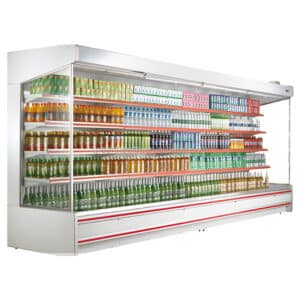 The first thing you need to do is consider what your shop type will be. Generally, your options include convenience stores, gas stations, speciality grocery stores, hardware stores and automotive shops. From there you can choose either a display fridge or a shop fridge. A display fridge can be used as an additional selling tool in addition to having products visible so that customers can see them easily from both outside and inside of your business. However, a shop fridge is ideal if you want a more traditional way of storing food products such as dairy and beverages. It also provides better protection from fluctuations in temperature which can help prevent spoilage over time.
It’s important to think about your business size, too. If you don’t need a large capacity fridge, consider buying two smaller fridges instead of one big one. If you plan on selling mainly drinks and other non-perishable items, then that will mean less space taken up by frozen food products which can be useful if you don’t have much storage space or want to offer easy access for customers. If refrigeration space is limited, however, it may be better to install just one larger fridge which can fit more than multiple smaller ones. This makes stocking easier and provides greater flexibility in terms of volume.
Professional Refrigerators Benefits
A great example of a professional refrigerator is an undercounter unit. They can be placed in even very tight spaces and require little space around them, unlike full-size units. There are other advantages to undercounter units: They come with less interior volume than larger units; they cool down faster; and because there is less cold air inside, they will hold temperature better. However, because these units don’t have freezers as stand-alone models do, you may need additional refrigeration such as a blast chiller (which attaches to your standard refrigerator) or a chest freezer (more common in restaurants). But if your business doesn’t produce large quantities of frozen foods, an undercounter unit might be sufficient by itself.
There are many types of professional refrigerators, each serving different purposes. The type of refrigerator you choose depends on your business needs. If you own a convenience store or sit-down restaurant, for example, it’s important that your refrigeration units keep food fresh and hold correct temperatures. However, if you run a convenience store that sells ice cream cones but no other perishable goods, an undercounter unit might be enough by itself; but if you sell dairy products like yoghurt or cheese, adding another unit with a freezer will be more efficient than an undercounter fridge alone.
Commercial Fridges for Grocery Stores
While most people think about residential fridges when they’re thinking about home appliances, there are actually three different types of fridges. The first is a commercial fridge (also known as display or shop fridges). These are commonly found in grocery stores and use around two kilowatts per hour. They run on either gas or electricity. Commercial refrigerators tend to be taller than their home equivalents, but they can still hold up to 200 litres (40 cubic feet) of food, though 150 litres is more common.
Commercial fridges typically have a compressor at their base, which is sometimes visible as a finned metal cylinder running from floor to ceiling. Compressors are responsible for making cooling work, and they make loud buzzing noises when turned on. It’s important to note that different types of compressors offer different performance levels. In general, screw compressors are quieter than scroll compressors, though scroll compressors can handle more power and run faster. Compressors also vary by how they’re cooled – many use a glycol mixture to keep them cool instead of plain water – but whether or not you need a glycol system depends on your local climate and usage level.

What Commercial Fridges fit in a Grocery Store?
Grocery stores come in all shapes and sizes, but every type of store will have at least one thing in common: refrigerated cases to display its goods. Food not sold quickly goes bad, so it’s important that your shop fridge has enough space to handle your stock. The first step is choosing an appropriately sized fridge for your shop. Use these tips to learn how commercial fridges fit into small grocery stores and other shops.
If you’re starting a grocery store, you’ll need a full-sized display fridge. While they tend to be more expensive than reach-in refrigerators, their larger capacity can help you cut costs in other areas. For example, buying from local growers and selling only fresh produce will keep spoilage and waste at bay and allow you to purchase fewer extras that you don’t end up using. You may also save on labour by paying fewer employees since your food won’t sit out as long. If your store is small, however, a reach-in refrigerator can be an affordable option that still lets customers see what’s available before reaching over or around shelving units to grab items off of its shelves.
Open Fridges for Shop
 Open fridges are great if you’re looking to highlight certain products or want visitors to explore on their own. They’re also perfect if you want quick access since open fridges typically aren’t stocked with shelves like closed ones. But make sure they’re accessible—you don’t want your customers tripping over themselves trying to reach that one last box of doughnuts! And keep in mind that an open fridge may be more susceptible to damage (and theft) than a closed one. An open fridge also costs less than other styles, but if your product isn’t temperature-sensitive, it might not be worth paying less upfront only to shell out more later on repairs and replacement parts.
If you’re looking for storage space, a closed fridge may be better. They’re great if you want to hide clutter or only want quick access to certain items—for example, if you sell hotdogs by weight or chips in small packages. You can find units with both refrigerated and non-refrigerated storage so each shelf is customizable based on your needs. Closed fridges are also easier to maintain than open ones since they don’t require constant cleaning—although periodic cleaning will still help preserve their appearance and functionality. Closed fridges are more secure than open ones, which could appeal to some customers that might otherwise feel uncomfortable leaving an unsupervised cart unattended.
Glass Front Fridges for Grocery Stores
 They don’t work for everything, but if you’re looking to highlight produce or packaged foods, a glass-front fridge is an excellent choice. They can help your customers get a better look at what they’re purchasing, which makes it easier for them to make informed choices. Plus, because of their transparent doors and internal shelving, you can display more variety at once; that means larger sales. A huge benefit of glass-front fridges is that you can use them in almost any size space; even small shops like cafes and bars will find them useful.
Glass front refrigerators work best in small spaces, so they’re a good option if you don’t have a large budget. They come in all shapes and sizes, too, from slim countertop models that can fit into any shop to spacious cabinets that will leave plenty of room for other food prep essentials. You can also find them in all price ranges; even a used one is an excellent choice if you’re on a tight budget. Most glass front fridges are used as freezers as well as refrigerators, but some shops only need one or the other; make sure you buy one with an extra compartment if it suits your space.
Glass Door Fridges for Shop
 A shop fridge with a glass door display gives your customers an inside look at your food storage options. You can also use it as an additional sales area by featuring items you want to sell. This type of refrigerator makes it easier for your customers to choose what they want without distracting them from their shopping experience. Glass door fridges are great if you have limited space because you can design them vertically, making them more efficient than standard models. When purchasing a glass door refrigerator, keep in mind that its walls are transparent, so consider whether potential display items will look good under fluorescent lights.
A glass door fridge is ideal if you want your products on display, but it isn’t right for every food shop. To find out if a glass door refrigerator would work in your shop, consider whether you want to showcase perishable items or refrigerated non-food items. Because of their transparency, glass door fridges are also most suitable when you don’t have space to store your inventory away from customers. If you don’t mind people seeing product packaging, then a standard model could be better for displaying non-perishable items such as drinks and snacks.
Commercial Refrigerator Manufacturer
Like any manufactured product, refrigerators require different elements in order to function properly. It can be hard finding a commercial fridges manufacturer that can provide commercial refrigerators with all of these aspects. Commercial refrigeration is an important part of many businesses, so choose Eco-Fridge if you want high-quality chillers at cheap prices. The type of refrigerator you select for your shop will have a lot to do with what kind of shop you have. For example, if you own a restaurant, your fridge requirements will differ from those required by someone running a retail store or art gallery. Commercial fridges are designed differently depending on what they’re being used for. That’s why it’s critical that when purchasing your refrigerator, you do some research into which ones are right for your needs.
If you only want to display products at your shop, look for a more open design; otherwise, choose a more enclosed model so no air is lost while still allowing people to see what’s inside. Keep in mind: Front-opening doors often require special mounting brackets and can be wider than standard fridges and/or freezers. Make sure there’s enough clearance before deciding where to place yours! If you do want to use these types of glass door freezers, remember that most shop owners recommend using separate ones than those designed for grocery stores because they tend not to be as efficient at both jobs.

Conclusion
Grocery stores and other retail shops tend to offer a few different types of refrigerators: door-in-door refrigerators, door refrigerators, and glass front fridges. The first two are fairly self-explanatory. The last type, however—glass front fridges—can be a bit harder to distinguish from your traditional refrigerator. Here are some of its most important features.
It’s important to decide whether you want a chest style or upright model first—this determines much of what else you need. If you want an upright model, ensure there’s enough floor space for its dimensions—it’s much easier to move around a smaller refrigerator than a larger one. Another factor is whether it has casters or rollers—moving larger fridges isn’t easy without wheels! Always check their condition before buying – broken hinges and damaged gaskets could be costly repairs later on.