
 0 items –
Discover why hydrocarbon refrigerants offer superior energy efficiency and eco-friendly cooling for your UK hospitality business.
Upgrading the equipment in a commercial kitchen often starts with evaluating running costs. You might wonder if the initial investment in modern technology genuinely pays off on your monthly energy bill. Understanding the core mechanics of cooling systems helps clarify this. Most older chilling units rely on synthetic hydrofluorocarbons. However, the catering industry is shifting rapidly towards natural alternatives. Have you ever placed your hand near the exhaust of an old chiller and felt the intense heat blasting out? That heat represents wasted energy. Modern systems handle heat transfer much more elegantly.
By replacing artificial chemicals with natural gases, manufacturers have unlocked incredible performance gains. The specific thermodynamic properties of these natural substances allow compressors to work less strenuously. So, you get colder temperatures faster, using a fraction of the electricity. We will explore the exact reasons behind this performance boost and help you make informed decisions when sourcing a hydrocarbon refrigerants commercial fridge for your premises. Upgrading your venue does require a careful assessment of your available space, menu offerings, and peak service times. Still, the long-term financial reductions are substantial.
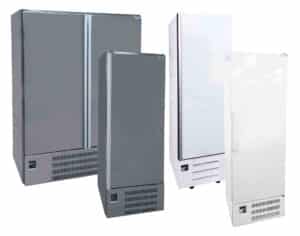


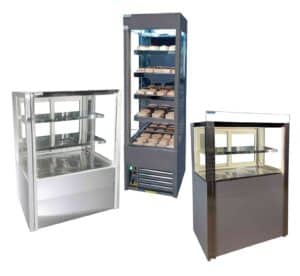

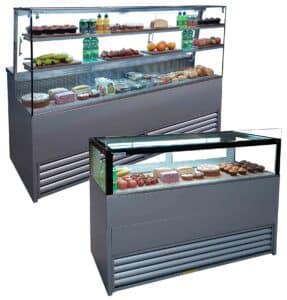

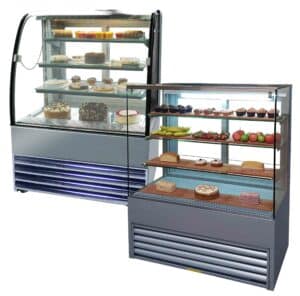
👉 SHOP OUR COMMERCIAL FREEZERS


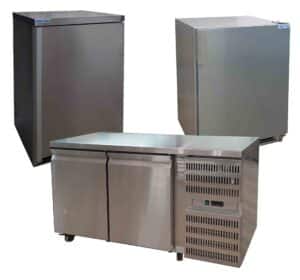

💡 Key Takeaways
- Natural coolants drastically reduce electrical consumption in catering equipment.
- The R290 refrigerant efficiency rating stems from its exceptional heat absorption capabilities.
- Modern cooling systems run quieter and place less mechanical strain on components.
- Switching to eco-friendly options helps UK businesses comply with strict F-Gas regulations.
- Initial equipment investments are quickly offset by significant drops in monthly utility bills.
The Science Behind Hydrocarbon Coolants
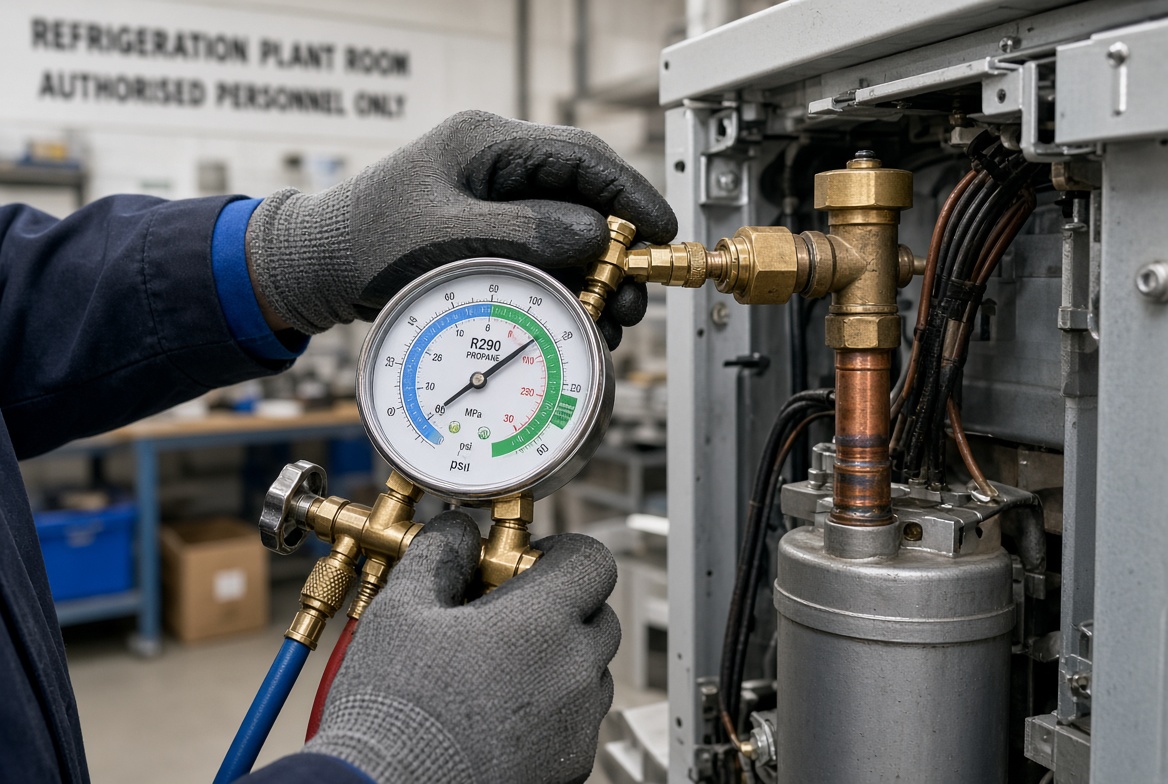
Understanding how a hydrocarbon refrigerants commercial fridge keeps your ingredients perfectly chilled requires a brief look at basic physics. Think about how sweating cools your body down on a hot summer day. As liquid sweat evaporates into a gas, it absorbs heat from your skin. Refrigeration works on the exact same principle, just contained within a closed loop of copper piping. A chemical circulates through this loop, constantly changing from a high-pressure liquid into a low-pressure gas. When it becomes a gas in the evaporator coil inside the cabinet, it absorbs the heat from your food. The compressor then squeezes this warm gas back into a liquid, releasing the trapped heat outside the unit via the condenser coil.
The choice of chemical inside those pipes dictates how hard the compressor has to work. Older synthetic gases were notoriously sluggish. They required massive amounts of pressure and electricity to force them to change states. Conversely, natural hydrocarbons possess exceptional thermodynamic properties. They boil and condense at optimal temperatures with minimal mechanical encouragement. Their latent heat of vaporisation is incredibly high, meaning a tiny volume of gas can carry away a massive amount of heat energy.
Because the chemical does most of the heavy lifting naturally, the mechanical components can be smaller and run less frequently. If you are operating a busy cafe and constantly opening the doors of your storage fridges, you need a system that recovers its internal temperature rapidly. Natural coolants achieve this rapid recovery without pulling excessive amps from your wall socket. Furthermore, upgrading to our under counter fridges equipped with this technology allows you to maximise your kitchen footprint while keeping your running costs impressively low. Anyway, the science clearly shows that working with nature’s properties rather than against them yields superior mechanical results.

Comparing R290 Refrigerant Efficiency Against Legacy Gases
When assessing the landscape of commercial cooling, evaluating the direct comparisons between natural and synthetic options reveals stark differences. The catering industry relied heavily on R134a and R404A for decades. Yet, as energy prices soar, holding onto these legacy gases becomes a financial burden. Here is a detailed breakdown of how modern R290 refrigerant efficiency outpaces the old standards:
- Superior Volumetric Capacity: Propane moves more heat per cubic centimetre than older synthetic alternatives. This means the system requires a significantly smaller chemical charge to achieve the exact same cooling effect. Less volume equals less mass for the compressor to push around.
- Lower Operating Pressures: Legacy systems required immense pressure to force the gas to condense. This constant high strain led to frequent mechanical failures. Natural alternatives operate at much lower, more manageable pressures, drastically extending the lifespan of your equipment.
- Faster Temperature Pull-Down: After loading room-temperature stock into a unit, the time it takes to reach food-safe temperatures is critical. The exceptional thermal conductivity of natural gases ensures rapid chilling. If you rely on drinks fridges to keep your bar fully stocked during a Friday night rush, this fast recovery is vital for customer satisfaction.
- Reduced Compressor Wear and Tear: Because the gas absorbs heat so efficiently, the compressor cycle times are much shorter. The motor switches on, quickly achieves the target temperature, and switches off. This intermittent operation prevents the motor from overheating.
- Enhanced Compatibility with Modern Insulation: Manufacturers now design the entire cabinet architecture around the performance of the gas. High-density polyurethane insulation pairs perfectly with efficient cooling loops to trap the cold air inside.
- Lower Electricity Consumption: Ultimately, all these mechanical advantages translate directly to your smart meter. Venues swapping out old units for modern grab & go sandwich fridges routinely report massive drops in their daily kilowatt-hour usage.
Environmental and Financial Benefits of Eco-Friendly Refrigeration
Transitioning your commercial kitchen to sustainable equipment delivers a dual advantage. It protects your bottom line while simultaneously fulfilling your corporate social responsibility. The hospitality sector consumes vast amounts of energy, with refrigeration accounting for a massive chunk of that usage. Relying on outdated technology drains your profits unnecessarily. Modernising your setup guarantees a leaner, more resilient business model.
Regulatory bodies across the UK and Europe heavily penalise the use of highly polluting synthetic gases. Understanding the Global Warming Potential (GWP) of your equipment is crucial. The GWP score measures how much heat a greenhouse gas traps in the atmosphere compared to carbon dioxide. Legacy gases often boast GWP scores in the thousands. Natural alternatives sit comfortably in the single digits. Embracing this shift protects your venue from future legislative headaches and ensures you are running a modern, responsible enterprise.
Lowering Your Hospitality Venue’s Energy Bills
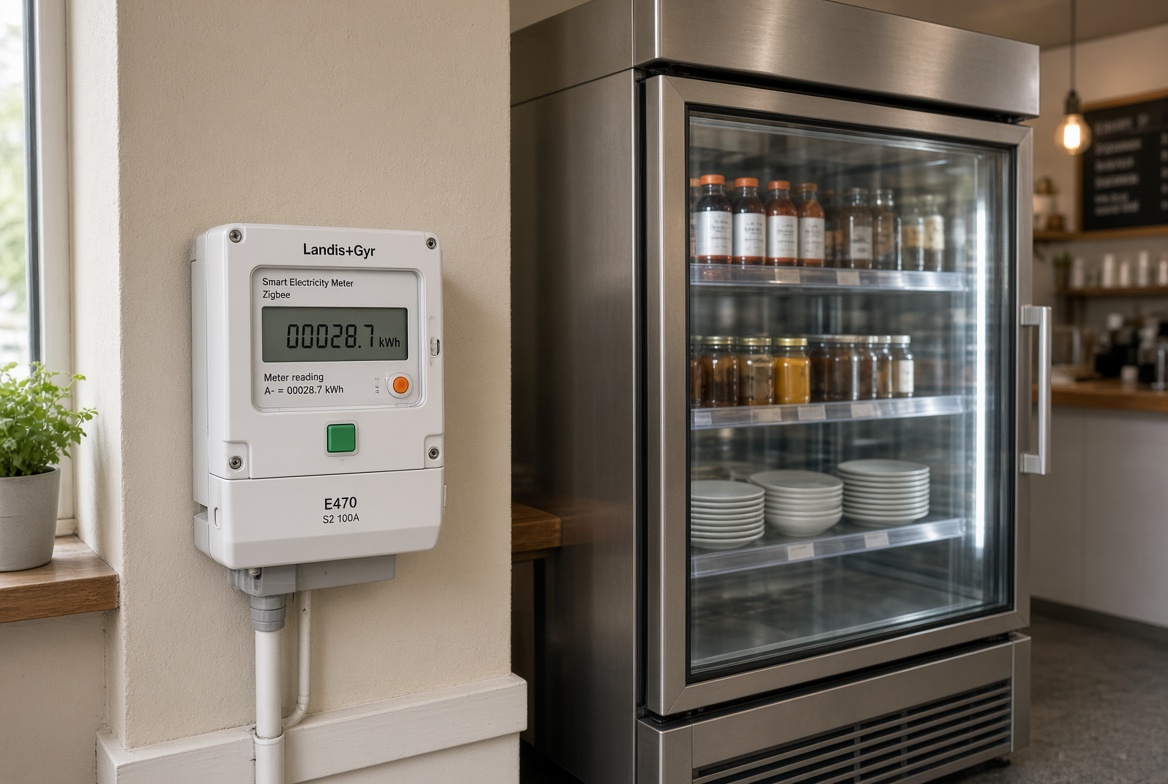
The most immediate and tangible benefit of upgrading to a hydrocarbon refrigerants commercial fridge is the sharp decline in your utility costs. Electricity prices fluctuate, creating uncertainty for independent cafes and large hotel chains alike. When your equipment operates efficiently, you insulate your business against these unpredictable market spikes. Think of your old chiller like a car stuck in low gear, constantly revving the engine just to maintain a slow speed. A modern unit cruises effortlessly, sipping power rather than guzzling it.
Every time a chef opens a door, warm kitchen air rushes into the cabinet. The system must immediately engage to pull the temperature back down to safe levels. The superior R290 refrigerant efficiency means this recovery process happens in a fraction of the time. The compressor runs for fewer minutes per hour. When multiplied across twenty-four hours a day, seven days a week, these saved minutes equate to hundreds of pounds retained in your bank account annually. If your retail space utilises multideck open fridges, which naturally work harder due to the lack of doors, ensuring they utilise efficient gas is paramount. Similarly, upgrading your cake fridges to eco-friendly models ensures your delicate desserts remain perfectly preserved without inflating your overheads. Regardless of your specific menu, reducing your baseline electrical load is a universally sound business strategy.
Meeting UK Climate Targets and Regulations
The United Kingdom remains firmly committed to aggressive climate targets, aiming for net-zero emissions. To achieve this, the government strictly regulates the industrial chemicals permitted for use. The F-Gas Regulations represent a phased approach to completely outlawing hydrofluorocarbons with high GWP scores. For catering businesses, this means the clock is ticking on older equipment. Continuing to operate obsolete chillers is becoming increasingly risky. If an old unit springs a leak and requires a regas, sourcing the phased-out chemical is exorbitantly expensive, if not entirely illegal.
You can review the official guidance on F-Gas regulations via the UK Government’s environmental web portal. Transitioning to natural alternatives completely removes this regulatory anxiety. Gases like propane are entirely exempt from the F-Gas phase-down because their environmental impact is negligible. They occur naturally and break down harmlessly in the atmosphere. By proactively updating your kitchen, you future-proof your operations against sudden legislative changes. When you invest in modern counter fridges for your prep stations, you guarantee compliance for the entire lifespan of the unit. Furthermore, demonstrating eco-conscious choices appeals heavily to modern consumers. Diners increasingly prefer supporting venues that actively minimise their carbon footprint. Therefore, your commitment to green technology becomes a powerful marketing tool for your brand.

Maximising Performance in Busy Catering Environments
The demands placed on a commercial kitchen are relentless. Equipment must perform flawlessly during intense lunch rushes and humid summer heatwaves. Efficiency means nothing if the unit cannot maintain food-safe temperatures under extreme stress. Natural coolants excel in these hostile environments precisely because of their robust thermodynamic profile.
Heat Recovery and Compressor Lifespan
The heart of any chiller is its compressor. When an appliance fails during service, the resulting food waste and operational chaos are devastating. The R290 refrigerant efficiency inherently protects the compressor from premature death. Because the gas absorbs and releases heat with such minimal effort, the compressor operates at significantly lower discharge temperatures. Heat is the ultimate enemy of mechanical motors. It degrades lubricating oils and warps internal valves. By running cooler, the motor experiences far less friction and wear.
Consider the demanding job of upright meat freezers holding premium steaks at strict sub-zero temperatures. The internal environment must remain stable, regardless of how hot the ambient kitchen air becomes. Natural gas systems handle these high ambient temperatures beautifully. The condenser coils dispel heat efficiently, preventing the high-pressure side of the system from backing up and stalling the motor. This reliability offers immense peace of mind to head chefs and business owners. You spend less time worrying about equipment breakdowns and more time focusing on culinary excellence.
Space and Ventilation Requirements
Integrating new equipment into an existing kitchen layout requires careful planning. While natural gases offer incredible performance, they are highly flammable in their pure state. Manufacturers mitigate this risk through exceptional engineering. Modern units use remarkably tiny charge sizes, usually less than 150 grams for a standard appliance. The refrigeration loop is hermetically sealed and rigorously tested to prevent any leaks.
However, proper ventilation remains crucial for optimal performance and safety. A compressor needs adequate airflow to reject the heat it pulls from the cabinet. Shoving a unit tight against a wall suffocates the condenser, forcing the motor to work harder and entirely negating the efficiency benefits of the gas. Always follow the manufacturer’s guidelines regarding clearance gaps. If you are designing a front-of-house serving area, integrating deli counters requires ensuring the air intake vents remain unobstructed by decorative panels or customer bags. Similarly, strategically placing your display freezers away from direct sunlight or heat-producing ovens ensures they operate flawlessly. Proper placement guarantees you reap the full financial rewards of your eco-friendly investment.

Actionable Recommendations for Upgrading Your Equipment
Taking the leap to modernise your catering venue requires a strategic approach. You do not need to replace every appliance overnight. Begin by conducting a thorough audit of your current inventory. Look at the specification plates on the back of your units to identify the type of gas they use. Prioritise replacing units that run on older HFCs or those that are constantly breaking down and costing you money in emergency call-out fees.
When you are ready to purchase, verify the specifications of the new models. Look explicitly for the hydrocarbon refrigerants commercial fridge label. Assess the energy efficiency ratings provided by the manufacturer. Understand that the initial purchase price is just one part of the equation; the total cost of ownership over ten years is what truly matters. Establish a strict preventative maintenance schedule for your new equipment. The most efficient gas in the world cannot compensate for a condenser coil choked with thick dust and grease. Keep the coils clean, ensure door gaskets seal tightly, and train your staff to close doors promptly. If your venue relies heavily on frozen stock, replacing tired old bins with our highly efficient sliding glass chest freezers will lock in the cold while displaying products attractively. Alternatively, our upright glass door freezers provide brilliant visibility for retail spaces while utilising minimal floor space. Ultimately, pairing state-of-the-art natural gas technology with diligent maintenance routines guarantees your equipment will serve your business profitably for years to come.

Frequently Asked Questions
Is R290 gas safe for indoor hospitality venues?
Yes, it is exceptionally safe when contained within a manufactured commercial appliance. While propane is flammable, commercial chillers use an incredibly small amount, typically under 150 grams. The systems are hermetically sealed and designed with stringent safety protocols. In the highly unlikely event of a leak, the tiny volume of gas disperses too rapidly in a normal room to pose a significant ignition risk.
How much money can a hydrocarbon refrigerants commercial fridge save me?
The exact savings depend on your local electricity rates and the size of the unit. Still, businesses routinely see a 20% to 30% reduction in running costs compared to legacy R404A systems. Over the typical ten-year lifespan of a commercial appliance, these monthly electricity savings often completely offset the initial purchase price of the unit.
Do R290 appliances require special maintenance?
No, the routine daily maintenance remains exactly the same as older models. You must keep the condenser coils clean, check the door seals for tears, and ensure the unit has proper airflow. However, if the sealed system requires repairs or regassing, you must hire an engineer specifically certified to handle natural hydrocarbons, as the brazing and evacuation procedures differ slightly from older synthetic systems.
Can I retrofit my existing old commercial fridge with hydrocarbon refrigerant?
No, you cannot safely or legally retrofit an older refrigeration unit built for synthetic HFCs with a natural hydrocarbon gas. The internal components, such as compressors, expansion valves, and electrical relays, are designed specifically for the operating pressures and lubrication types of legacy chemicals. Attempting a conversion creates serious fire hazards and violates UK safety standards. It is always best to invest in purpose-built modern equipment.
How do I know if my current commercial refrigeration unit uses R290?
You can easily check the technical specification plate or serial number sticker usually located on the interior wall or back exterior panel of your appliance. This label lists the specific refrigerant type used in the system, often designated as R290 or propane. If your unit was manufactured within the last few years, it is very likely to feature this modern, eco-friendly coolant.
Are storage freezers and upright meat freezers also available with natural coolants?
Yes, manufacturers have successfully expanded hydrocarbon technology across almost all categories of commercial catering equipment. Modern storage freezers fully utilise natural gases to maintain strict sub-zero temperatures reliably. This ensures that even frozen stock benefits from high thermodynamic efficiency and lower electrical draw.
Where can I find affordable commercial refrigeration equipment in the UK?
You can explore a comprehensive range of high-efficiency cooling solutions directly through specialist suppliers. For instance, you can browse extensive inventories of display fridges to find units suited to your kitchen dimensions. Sourcing from dedicated wholesale providers ensures you receive robust warranties and competitive pricing tailored for hospitality businesses across England.

The Future of Efficient Cooling
The transition towards eco-friendly cooling is a permanent and positive shift for the catering industry. The superior thermodynamic properties of natural gases provide unmatched performance. They pull down temperatures faster, maintain stable internal environments effortlessly, and place significantly less strain on vital mechanical components. The exceptional R290 refrigerant efficiency translates directly into massive reductions in daily electricity consumption. By upgrading your venue, you protect your profit margins from volatile energy markets while simultaneously future-proofing your business against stringent environmental regulations. Embracing this modern technology is the smartest financial decision a hospitality operator can make.
At Display-Fridge Wholesale, we provide superior commercial fridge equipment to hospitality markets all over the United Kingdom. We supply commercial refrigerators and freezers to businesses throughout England at a wholesale price. Purchase an affordable commercial fridge now! Whether you run a bustling London pub, a quaint Cornish bakery, or a large-scale catering facility, our expert team is ready to assist you in finding the perfect eco-friendly cooling solution.
👉 SHOP OUR COMMERCIAL FREEZERS