
 0 items –
In the fast-paced world of food service, having a well-functioning commercial fridge is crucial for ensuring product quality, maintaining food safety standards, and keeping your customers satisfied. However, to truly get the most out of your refrigerator, it’s essential to follow best practices that optimise performance and efficiency. With energy costs on the rise and increased scrutiny on waste reduction, being proactive about your fridge’s upkeep can lead to significant savings, both financially and environmentally.
In this comprehensive guide, we’ll explore the top commercial fridge best practices that can make a world of difference in your establishment. From understanding the various types of fridges and their ideal placements to mastering temperature control and organization, we’ll dive into essential tips that will help you maintain your fridge’s peak performance. Additionally, we’ll share some energy-saving strategies, routine maintenance tasks, and troubleshooting advice to ensure your fridge stays in top condition for years to come. So, let’s chill out and start on the path to optimal performance and efficiency!
Understanding the Fundamentals: Types of Commercial Fridges
Understanding the various types of commercial fridges available is key to selecting the perfect one for your business. Each type serves a specific purpose and is designed to meet the unique needs of different food service establishments. Let’s explore some common types of commercial fridges and their primary functions:
- Multideck Open Fridges
- Grab & Go Sandwich Fridges
- Cake Fridges
- Deli Counters
- Countertop Fridges
- Glass Door Fridges
- Upright Storage Fridges
- Undercounter Fridges

Multideck Open Fridges
Multideck open fridges are ideal for showcasing a wide range of perishable products, such as fruits, vegetables, and beverages. These fridges typically have multiple shelves and are commonly found in supermarkets and convenience stores. Their open design allows customers easy access to the products, encouraging impulse purchases.
Grab & Go Sandwich Fridges
As the name suggests, sandwich fridges are perfect for displaying pre-packaged sandwiches, wraps, salads, and other ready-to-eat items. These fridges are designed to maintain a consistent temperature, ensuring the products remain fresh and safe for consumption. They are popular in cafes, delis, and convenience stores.
Cake Fridges
Cake fridges are specialized refrigeration units designed to store and display cakes and other baked goods. These units are typically used in bakeries, cafes, and restaurants to keep cakes fresh and visually appealing for customers.
Cake refrigerators are designed with clear glass panels that allow customers to see the cakes inside. The refrigeration system is specifically calibrated to maintain the temperature and humidity levels needed to keep cakes at their freshest and most flavourful. This helps to extend the shelf life of cakes and reduce food waste.
Some patisserie fridges also come with adjustable shelves, LED lighting, and other features to enhance the presentation and appeal of the cakes on display. With their sleek and attractive designs, cake fridges can add an elegant touch to any bakery or restaurant.
Whether you’re a professional baker or simply looking to store and display your homemade cakes, a cake chiller can be a valuable investment. With proper care and maintenance, these refrigeration units can help you preserve the quality and freshness of your cakes and other baked goods for longer periods.
Deli Counters
Deli counters are refrigerated display cases that allow businesses to showcase a variety of deli items, such as meats, cheeses, and salads. With their glass front and built-in lighting, deli counters are designed to make products look visually appealing while maintaining optimal freshness.
Countertop Fridges
Counter fridges are compact, space-saving refrigeration solutions ideal for small cafes, bars, and restaurants. These fridges can be placed on countertops and typically have a glass door or display case to showcase beverages, desserts, or small food items.
Glass Door Fridges
Glass door fridges combine functionality with aesthetics, making it easy for customers to view the contents without opening the door. These drinks fridges are commonly used in supermarkets, convenience stores, and restaurants to display a variety of refrigerated products, from beverages to ready-made meals.
Upright Storage Fridges
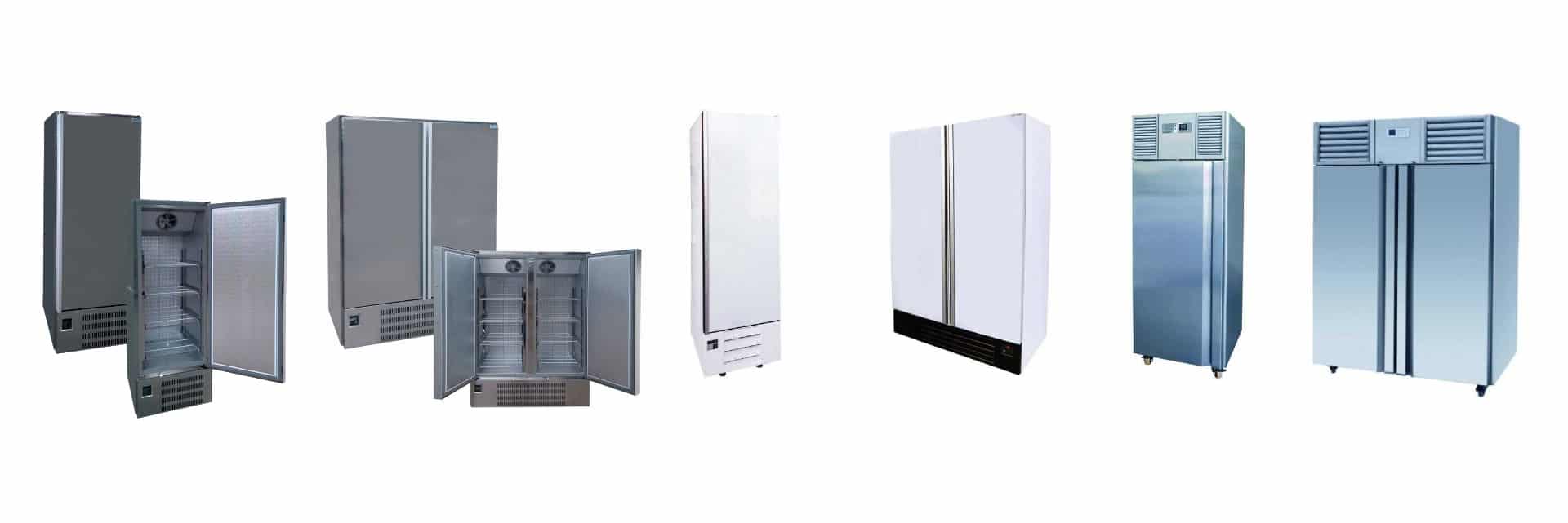
Upright fridges are tall, vertical fridges designed to maximize storage space without taking up too much floor area. They are ideal for kitchens in restaurants, hotels, and other food service establishments that require a large volume of refrigerated storage. Storage fridges typically have multiple adjustable shelves, allowing for easy organization and access to ingredients.
Undercounter Fridges
Under-counter fridges are designed to fit seamlessly under countertops, making them perfect for kitchens with limited space. These fridges provide convenient and easily accessible storage for ingredients and beverages, keeping them close at hand during food preparation. They are popular in bars, cafes, and small restaurants.

Location: Choosing the Ideal Spot for Your Fridge
A conundrum faced by many a restaurateur, choosing the perfect location for your refrigeration unit is nothing short of an art. Fear not, for we shall embark on a journey together to unravel the secrets of fridge placement and unlock the door to optimal efficiency!
First and foremost, we must consider the sacred rule of ventilation. A well-ventilated area is paramount in allowing your fridge to breathe and perform at its peak. A confined space, you see, will force the fridge to work harder, consequently increasing energy consumption and decreasing the life of the appliance. Heed this wisdom, dear reader, and ensure there is ample space around the fridge for proper air circulation. It is said that a minimum of two inches at the rear and sides and one inch at the top shall suffice.
Next, we must pay homage to the power of balance. A harmonious relationship between the fridge and its surroundings is crucial for optimal performance. Choose a location away from direct sunlight or heat-producing appliances, such as ovens or deep fryers. The wrath of heat sources can cause the fridge to work overtime, reducing its efficiency and increasing energy costs. Furthermore, a stable and level floor is a necessity, for an uneven surface may lead to improper door sealing and, consequently, the escape of cold air.
Lastly, convenience is king! A well-thought-out fridge location shall save valuable time and energy in the bustling realm of food preparation. Consider the flow of your kitchen and the needs of your staff. Position the fridge so that it is easily accessible, allowing your team to retrieve ingredients swiftly and effortlessly. By placing your fridge strategically, you shall contribute to a harmonious and efficient work environment.
Balance: Level Your Fridge
In the realm of commercial refrigeration, maintaining balance is essential for optimal performance and longevity. Ensuring that your fridge is level not only contributes to an efficient operation but also prevents potential issues that could lead to costly repairs or even reduced lifespan.
A fridge that is not level may experience improper door sealing, causing cold air to escape and warm air to infiltrate. This forces the fridge to work harder to maintain the desired temperature, which can result in increased energy consumption and, consequently, higher utility bills. Furthermore, an uneven fridge can strain the compressor and other components, leading to potential malfunctions and a shorter appliance lifespan.

To achieve balance and level your fridge, follow these simple steps:
- Check the floor
- Adjust the feet
- Test the door seal
- Monitor the fridge’s performance
Check the floor:
Before placing your fridge, examine the floor surface to ensure it is even and stable. If necessary, use a spirit level to determine the flatness of the area. Address any significant dips or unevenness in the floor to create a solid foundation for your fridge.
Adjust the feet:
Most commercial refrigerators come equipped with adjustable feet or casters. Once the fridge is in position, use a spirit level to check its balance. If the fridge is not level, adjust the feet or casters accordingly, ensuring that all points of contact are firmly on the ground.
Test the door seal:
After levelling the fridge, open and close the door to check for proper sealing. The door should close securely and smoothly, with no gaps between the door and the fridge body. If you notice any issues with the door seal, recheck the fridge’s balance and make the necessary adjustments.
Monitor the fridge’s performance:
Finally, keep an eye on your fridge’s performance, particularly its temperature stability and energy consumption. If you notice any irregularities, it may be an indication that your fridge is not properly balanced, and further adjustments are required.
Temperature Control: Ensuring Consistency and Food Safety
Maintaining consistent temperature control in your commercial chiller is crucial for food safety and product quality. Proper temperature management prevents the growth of harmful bacteria and ensures that perishable items remain fresh for consumption. By following best practices for temperature control, you can protect your customers’ health, reduce food waste, and maintain a high standard of quality in your establishment.

Set the right temperature
The ideal temperature for most commercial fridges ranges from 34°F to 40°F (1°C to 4°C). This temperature range is effective in slowing down bacterial growth and maintaining food quality. Keep in mind that specific food items may require different temperature settings; always adhere to local health department guidelines and manufacturer recommendations.
Use a reliable thermometer
Install a high-quality, easy-to-read thermometer inside your fridge to monitor the temperature accurately. Digital thermometers with remote sensors are an excellent choice, as they allow for easy monitoring without opening the fridge door. Regularly calibrate the thermometer to ensure accurate readings.
Avoid overloading the fridge
Overfilling your fridge can obstruct proper air circulation, leading to inconsistent temperatures and potential spoilage. Leave enough space between items and shelves to allow cold air to flow freely, ensuring uniform cooling throughout the fridge.
Limit door opening
Frequent door openings can cause fluctuations in temperature, compromising food safety and increasing energy consumption. Encourage staff to minimize door opening by keeping a mental or written inventory of fridge contents and retrieving multiple items in one trip whenever possible.
Regularly defrost and clean
Ice buildup can impair the fridge’s cooling efficiency and lead to temperature fluctuations. Regularly defrost and clean the fridge according to the manufacturer’s guidelines, removing any ice or debris that could obstruct airflow or affect temperature control.
Monitor and respond to temperature changes
Regularly check the thermometer and take prompt action if the temperature falls outside the recommended range. Investigate potential causes, such as power outages, door sealing issues, or malfunctioning components, and address them accordingly.
Maximizing Storage Space: Organization Tips for Improved Efficiency
In the demanding environment of food service establishments, efficient use of storage space within a commercial fridge is vital for productivity and smooth workflow. Organizing your fridge not only helps to maximize storage capacity but also contributes to better inventory management, reduced waste, and improved food safety. Here are some practical organization tips to optimize the efficiency of your commercial fridge:
- Prioritize proper labelling
- Implement the FIFO system
- Utilize storage containers and dividers
- Optimize shelf placement
- Group similar items together
- Regularly clean and declutter

Prioritize proper labelling:
Clear and accurate labelling of food items is an essential first step in organizing your fridge. Labels should include the name of the item, date of storage, and expiration date. This practice helps staff quickly identify and locate ingredients, which in turn reduces the time spent searching for items and minimizes the risk of using expired products.
Implement a first-in, first-out (FIFO) system:
Organize your fridge by placing older items at the front and newer items at the back. This ensures that older products are used first, reducing the likelihood of spoilage and waste. Train your staff to follow this system consistently to maintain an efficient inventory rotation.
Utilize storage containers and dividers:
To prevent cross-contamination and maintain a clean and organized fridge, store food items in sealed, transparent containers. Use dividers to separate different types of foods and create a designated space for each item. This helps to maintain a clutter-free environment and makes it easier for staff to find ingredients quickly.
Optimize shelf placement:
Adjust the height of shelves to accommodate different types and sizes of food containers, ensuring that no space goes to waste. Keep frequently used items on middle shelves for easy access, and store less frequently used items on lower or higher shelves. This promotes a more ergonomic and efficient workflow in your kitchen.
Group similar items together:
Store items together to create a more logical and accessible organization system. For example, group dairy products, meats, and produce separately to make it easier for staff to find and retrieve ingredients as needed.
Regularly clean and declutter:
Schedule routine cleaning and decluttering sessions to maintain a well-organized and hygienic fridge. Remove expired or spoiled items, wipe down shelves, and reorganize as needed to keep your fridge in top condition.
Routine Maintenance: Keeping Your Fridge in Top Condition
Proper routine maintenance is crucial for ensuring the longevity and optimal performance of your commercial fridge. Regular upkeep not only helps to prevent potential breakdowns but also contributes to energy efficiency and reduces the risk of food spoilage. Here are some essential maintenance tasks to keep your fridge in top condition:
- Clean the condenser coils
- Inspect and clean door gaskets
- Check and maintain the evaporator fan
- Monitor the thermostat
- Schedule professional inspections
- Keep the fridge interior clean
Clean the condenser coils:
Dust and debris can accumulate on the condenser coil over time, reducing the fridge’s efficiency and increasing energy consumption. To maintain optimal performance, clean the coils every three to six months using a soft brush or vacuum cleaner. Be sure to unplug the fridge before performing this task for safety reasons.
Inspect and clean door gaskets:
The door gaskets play a crucial role in sealing the fridge, preventing cold air from escaping and warm air from entering. Check the gaskets regularly for cracks, tears, or other signs of wear. Clean the gaskets with warm, soapy water to remove any dirt or debris that may affect their sealing ability. Replace damaged gaskets as needed to ensure proper sealing and energy efficiency.
Check and maintain the evaporator fan:
The evaporator fan is responsible for circulating cold air within the fridge. Regularly inspect the fan for any signs of wear or damage, and keep it clean to ensure efficient air circulation. If the fan is not functioning correctly, consult a professional technician for repair or replacement.
Monitor the thermostat:
Regularly check the thermostat to ensure it is maintaining the correct temperature within the fridge. If the temperature fluctuates or does not match the thermostat’s setting, there may be an issue with the thermostat or another component of the fridge. Address any temperature inconsistencies promptly to prevent food spoilage and ensure food safety.
Schedule professional inspections:
In addition to routine maintenance tasks, it is essential to schedule periodic professional inspections to identify and address any potential issues before they escalate. Professional technicians can assess the fridge’s overall performance, identify any worn or damaged components, and recommend necessary repairs or replacements.
Keep the fridge interior clean:
Maintain a clean fridge interior by wiping down shelves, walls, and storage containers regularly. This not only promotes a hygienic food storage environment but also allows you to identify any potential issues, such as leaks or temperature inconsistencies, more easily.
Troubleshooting Common Issues: Quick Fixes for Fridge Problems
Even with diligent maintenance, commercial fridges can occasionally experience issues that may affect their performance. Being able to troubleshoot common problems can save time, reduce downtime, and potentially avoid costly repairs.
While some issues can be quickly resolved with basic troubleshooting, others may require the expertise of a professional technician. Always consult the manufacturer’s manual for guidance on maintenance and troubleshooting, and do not hesitate to seek professional assistance for complex repairs or issues that persist despite troubleshooting efforts.
The fridge not cooling properly
If your fridge is not maintaining the desired temperature, check the thermostat settings and ensure that they are set correctly. Also, inspect the door gaskets for any damage or debris that may be preventing a proper seal. Clean the condenser coils and ensure that the evaporator fan is functioning correctly. If the issue persists, consult a professional technician to diagnose the problem.
Excessive noise
Unusual or excessive noise can indicate a problem with the evaporator fan or the compressor. Inspect the fan for any visible damage and ensure that it is clean and free of obstructions. If the noise is coming from the compressor, contact a professional technician, as this may require a more complex repair or replacement.
Frost buildup
Frost buildup can occur if the door is not sealing correctly, allowing warm air to enter the fridge. Check the door gaskets for damage or debris and replace them if necessary. Defrost the fridge according to the manufacturer’s instructions, and ensure that staff members are closing the door properly after use.
Fridge running constantly
If your fridge seems to be running constantly, it may be due to dirty condenser coils, a faulty thermostat, or an issue with the door gaskets. Clean the condenser coils, inspect and replace the door gaskets if needed, and check the thermostat settings. If the problem persists, contact a professional technician for further assessment.
Water leakage
Water leakage can be caused by a blocked or damaged drain line or a malfunctioning defrost system. Check the drain line for any obstructions and clean it if necessary. If the issue continues, consult a professional technician to inspect the defrost system and identify the cause of the problem.
The fridge not turning on
If your fridge is not turning on, first check the power supply and ensure that the fridge is plugged in and that the circuit breaker has not tripped. If the power supply is functioning correctly, the issue may lie with the fridge’s internal components, such as the thermostat, compressor, or control board. Contact a professional technician for a thorough diagnosis and repair.
Final Thoughts
Mastering the art of commercial fridge best practices is integral to the success of any food service establishment. By selecting the appropriate type of fridge, choosing the ideal location, maintaining balance, optimizing organization, and staying diligent with routine maintenance, you can ensure your fridge operates at peak performance and efficiency. Moreover, being equipped with the knowledge to troubleshoot common issues can save time and resources, allowing your business to focus on what truly matters—delivering exceptional culinary experiences to your customers.
Investing time and effort in implementing these best practices not only extends the life of your fridge but also contributes to a more cost-effective and energy-efficient operation. Embrace these principles, and witness the transformative impact they can have on your food service business, paving the way for growth and long-lasting success.
At Display-Fridge Wholesale, we have a comprehensive offer of shop fridges. Visit our online store to purchase an affordable fridge for shop now!