
 0 items –
Restaurants need to ensure that their food is kept fresh and safe for their customers. Keeping food fresh in a restaurant requires proper storage, preparation, and handling techniques. This guide will provide restaurant owners and staff with information on how to keep food fresh, including best practices for storing, preparing, and handling food. By following these tips, restaurants can ensure that their food stays fresh and safe for their customers.
A. Definition of food freshness
Food freshness is the quality of food that has been recently prepared, cooked, or purchased. It is often measured by the amount of time that has passed since the food was made or purchased. Food freshness is essential in restaurants because it ensures that customers are getting the freshest, most flavorful food possible.
B. Reasons for keeping food fresh in a restaurant
Keeping food fresh in a restaurant is important for a variety of reasons. First, it ensures that customers are receiving the highest quality food possible. Additionally, it helps to reduce food waste, which can lead to increased profitability. Furthermore, it helps to ensure food safety, as expired food can cause foodborne illnesses. Finally, it can help to improve customer satisfaction, as customers are more likely to return to a restaurant that serves high-quality, fresh food.

II. Steps to Keeping Food Fresh
As a restaurant owner, it is important to ensure that you are providing the freshest and safest food to your customers. By following the below steps, you can ensure that your customers are getting the best quality food.
A. Proper Storage
Proper storage of food in a restaurant is essential to ensure food safety and freshness. To keep food fresh, it is important to store food at the right temperature and humidity. Refrigerators and freezers should be set to the proper temperature, usually around 4°C (40°F) for refrigerators and -18°C (0°F) for freezers. Additionally, it is important to keep food in airtight containers and to store raw and cooked food separately. Proper labelling of all food items is also important to ensure food is not stored past its expiration date. Finally, it is important to rotate food items so that the oldest items are used first. This will help prevent spoilage and waste.
Storage Fridges
One of the most important steps to keeping food fresh is proper refrigeration. This involves storing food at the correct temperature and in airtight containers. This helps to slow the growth of bacteria and other microorganisms that can cause food spoilage.
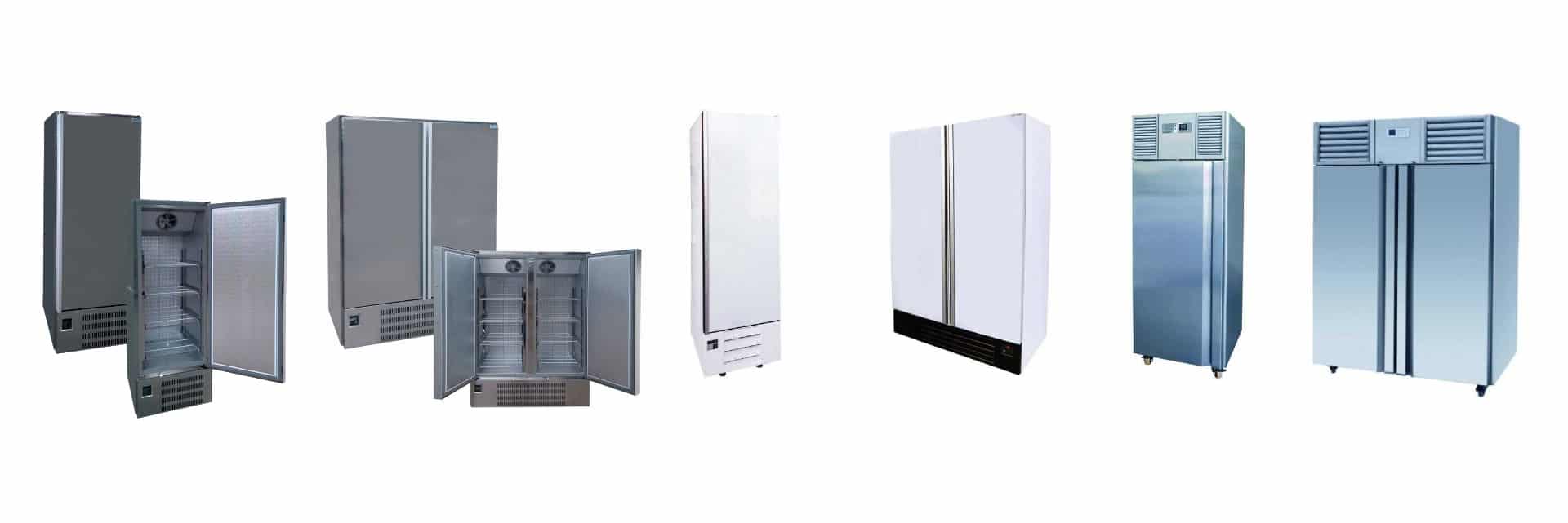
Restaurant fridges are essential pieces of equipment in any food service establishment. They are used to store and preserve food, as well as to keep it at a safe temperature. Restaurant fridges come in a variety of sizes and configurations, and they are typically located in the kitchen or other food preparation areas. They are designed to store a variety of items, including raw ingredients, prepared dishes, and beverages.
The most important feature of a commercial fridge is its temperature control. It should be able to keep food at the proper temperature, whether it is cold or frozen. This is important for maintaining the safety of the food and preventing food-borne illnesses. Additionally, the temperature should be adjustable so that the food can be stored at the optimal temperature for the type of food being stored.
Overall, restaurant fridges are an essential piece of equipment for any food service establishment. They are designed to keep food safe and at the proper temperature, and they come with a variety of features to make them more convenient to use. With the right model, a restaurant can ensure that its food is safe and well-preserved.
Display Refrigeration

Open fridges are typically designed with shelves and clear glass doors to allow customers to view the contents. This type of fridge is usually found in supermarkets and convenience stores. Deli counters are usually countertop models, with a refrigeration unit underneath and glass doors on the top. These counters are typically used in restaurants, delis, and catering businesses, allowing customers to view the food before making a purchase. Bar fridges are usually small, upright models, and are usually used in bars and pubs. They are perfect for storing and displaying bottles of wine, beer, and other alcoholic beverages.
Display fridges are an essential part of any business that sells food and drinks. They provide customers with an easy way to view the products and make a purchase. They are also great for keeping food and drinks fresh and can help to reduce waste.
Freezing
Freezing is an effective way to preserve food for longer periods of time. It works by slowing down the activity of enzymes and microorganisms that cause food to spoil. Freezing also prevents the growth of bacteria, which can cause food to become unsafe to eat.

When food is frozen, it can be stored for several months without losing its quality or flavour. Freezing also helps to lock in the nutrients and flavour of the food, making it a great way to preserve food for later use. Additionally, freezing food can help to reduce food waste, as it allows you to store food for longer periods of time without worrying about spoilage.
A commercial freezer is a type of freezer that is designed for use in a commercial setting, such as a restaurant, grocery store, or other food service business. Commercial freezers come in a variety of styles, including undercounter freezers, chest freezers, upright freezers, and glass door freezers.
Chest freezers are the most common type of commercial freezer. They are large, vertical units that open up from the top and have a lid that can be opened and closed. Chest freezers are ideal for storing large amounts of food, and they can be used to store both frozen and refrigerated items. They are also energy efficient, as the cold air stays inside the freezer when the lid is closed.
Glass door freezers are a type of commercial freezer that has a glass door on the front. These freezers are ideal for displaying frozen items, such as ice cream and frozen desserts. They are also great for storing items that need to be seen, such as frozen pizzas and other prepared foods. Glass door freezers are often used in convenience stores and supermarkets.
Proper packaging
Proper packaging also helps to maintain the quality and flavour of food. Airtight containers and packaging materials can help to keep out air, moisture, and other contaminants, which can cause food to spoil. It is important to use the right packaging materials for the food item being stored. For example, foods that are more prone to spoilage, such as meats and dairy products, should be stored in moisture-proof and airtight containers.
Additionally, it is important to label food products with the date they were packaged and the expiration date. This helps to ensure that food is consumed before it goes bad. Proper packaging also helps to protect food from physical damage, such as crushing or tearing, which can result in spoilage. Finally, using the right packaging materials can help to reduce food waste, as food items can be stored for longer periods of time.
B. Proper Preparation
To ensure that food is as fresh as possible, it is important to store food properly. This includes keeping food at the correct temperature and in an airtight container to prevent spoilage. Proper labelling and date marking of food items can also help to keep track of when food was prepared and when it should be used by.

1. Preparing only what is needed
Additionally, it is important to rotate food items so that the oldest items are used first. This helps to ensure that food is not left sitting out for too long and that customers are getting the freshest food possible. Finally, it is important to practice proper food handling techniques to minimize the risk of food contamination. This includes washing hands thoroughly before and after handling food, as well as using separate cutting boards and utensils for raw and cooked foods.
2. Utilizing fresh ingredients
When it comes to utilizing fresh ingredients, it is important to consider the source of the ingredients. Locally sourced ingredients are typically fresher than those that have been shipped in from other parts of the country or world. This is because they have not been subjected to long periods of travel and storage, which can diminish their flavour and nutritional value.
Additionally, in-season ingredients are usually fresher than those that are out of season, as they are harvested at their peak. Finally, it is important to use the highest quality ingredients available, as this will ensure that the food is as fresh and flavorful as possible. By following these guidelines, cooks can ensure that the food they prepare is fresh, flavorful, and nutritious.
3. Keeping food at the right temperature
Keeping food at the right temperature is essential for maintaining its freshness and safety. In order to keep food fresh, it should be cooked to the appropriate temperature and stored at the correct temperature. For example, poultry should be cooked to an internal temperature of 165°F, and cold food should be stored at 40°F or below.
Additionally, hot food should be kept at 140°F or above. Additionally, it is important to ensure that food is not kept at temperatures in the “danger zone” between 40°F and 140°F for more than two hours, as this can lead to the growth of harmful bacteria. Furthermore, it is important to check the temperature of food regularly with a thermometer to ensure that it is at the proper temperature. Lastly, when transporting food, it is important to use coolers or insulated bags to keep food at the right temperature.

C. Proper Disposal
- Discarding expired food: Discarding expired food is an important step in keeping food fresh. This means throwing away food that is past its expiration date or that has gone bad.
- Properly disposing of food waste: Properly disposing of food waste is also important in keeping food fresh. This means ensuring that food waste is disposed of in the appropriate manner, such as through composting or recycling.
III. Benefits of Keeping Food Fresh
- Improved customer satisfaction: One of the benefits of keeping food fresh is improved customer satisfaction. Customers are more likely to return to a restaurant that serves high-quality, fresh food. Additionally, they are more likely to recommend a restaurant that serves fresh food to their friends and family.
- Increased profitability: Keeping food fresh can also lead to increased profitability. This is because it helps to reduce food waste, which can lead to increased profits. Additionally, it can help to attract more customers, which can also lead to increased profits.
- Reduced food waste: Keeping food fresh can also help to reduce food waste. This is because it helps to ensure that food is used before it expires and that food waste is disposed of in the appropriate manner.
IV. Conclusion
In conclusion, keeping food fresh is important for a variety of reasons. It helps to ensure that customers are receiving the highest quality food possible, which can lead to increased customer satisfaction and profitability. Additionally, it helps to reduce food waste, which can lead to increased profits.
Therefore, it is important for restaurants to practice food freshness in order to ensure the highest quality food and to reduce food waste.
V. Resources
- Links to relevant websites:
- Recommended books and publications:
- On Food and Cooking: The Science and Lore of the Kitchen by Harold McGee
- The Professional Chef by The Culinary Institute of America
- The Flavor Bible by Karen Page and Andrew Dornenburg