
 0 items –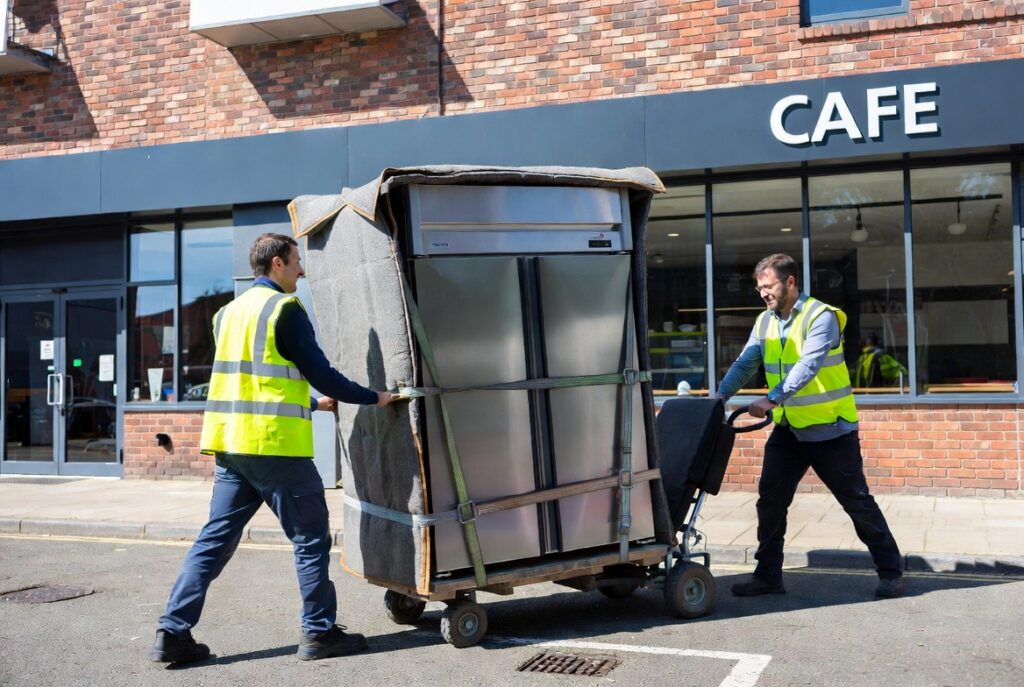
Moving a commercial refrigerator is no small feat. Unlike domestic appliances, these hefty, highly engineered units—whether they are open fridges, sandwich fridges, or towering storage freezers—require meticulous planning, specialized equipment, and a deep understanding of their internal mechanics. Attempting a DIY move without the proper knowledge can lead to disastrous consequences, from severe personal injury to permanently damaging a costly piece of catering equipment.
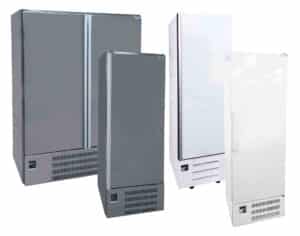


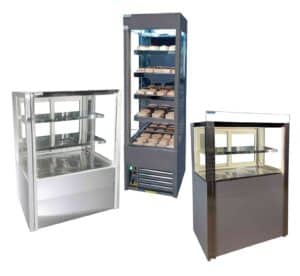

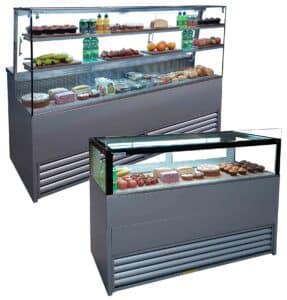

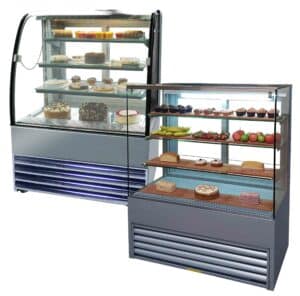
👉 SHOP OUR COMMERCIAL FREEZERS


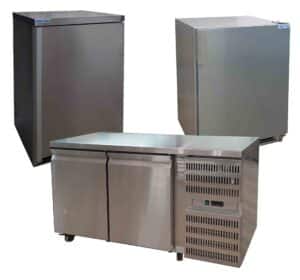

💡 Key Takeaways
- Preparation is Paramount: Emptying, cleaning, and securing loose components are non-negotiable first steps.
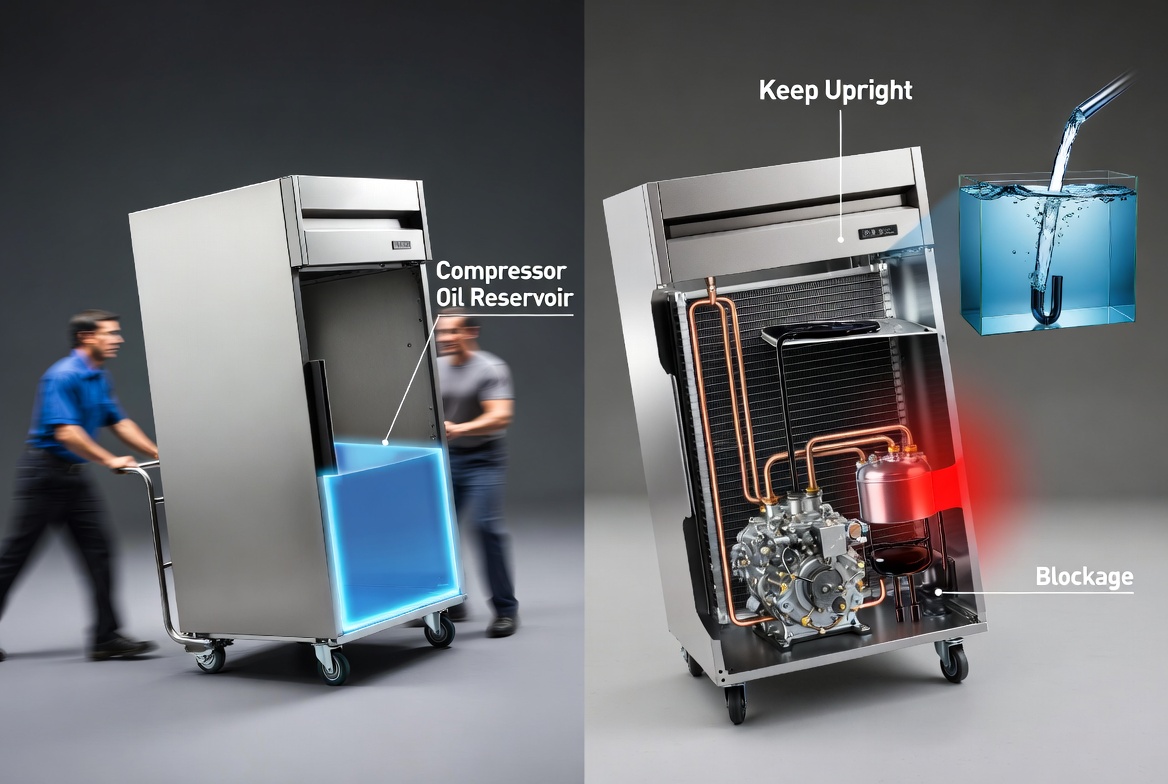
- Upright is Right: Always transport commercial fridges upright to prevent compressor oil migration.
- The Settle Time Rule: Never plug a fridge in immediately after moving; it must have time to settle to avoid catastrophic failure.
- Safety First: Manual handling regulations apply; always use the correct lifting aids (like sack trolleys) and never attempt to move heavy units alone.
- Professional Help: For large units, professional movers with specialized vehicles are highly recommended.
FAQs
Can I transport a commercial fridge laying down?
It is strongly advised against. Laying a fridge flat causes the compressor oil to migrate into the cooling lines, which can destroy the compressor when the unit is turned back on. If you absolutely must tilt it significantly, you will need to allow an extended settling period (often 24 hours or more) before powering it up, but it remains a significant risk.
Why does a commercial fridge need to settle?
During transit, the oil that lubricates the compressor is shaken and can travel up into the refrigerant pipes. The “settling time” allows gravity to pull this oil back down into the compressor sump. If you plug it in before the oil settles, the compressor will try to pump oil instead of gas, leading to “hydraulic lock” and a burnt-out motor.
How long should a commercial fridge settle before turning it on?
As a general rule, if the fridge was transported strictly upright, wait a minimum of 4 to 6 hours. If it experienced significant tilting or jostling, wait at least 24 hours. Always consult the manufacturer’s manual for model-specific advice.
What equipment do I need to move a commercial fridge?
You will need a heavy-duty sack trolley (dolly), high-quality ratchet straps, moving blankets for protection, packing tape, and an appropriate vehicle, ideally a van with a tail lift and secure tie-down points.

Preparing the Unit: The Crucial First Steps
Before you even think about lifting that heavy display chiller, rigorous preparation is required. Think of it like preparing a patient for surgery; you wouldn’t just rush in.
First and foremost, the unit must be entirely emptied. Remove all stock, from the smallest patisserie items in your cake fridge to the heavy beverages in your drinks fridge. This drastically reduces the overall weight and prevents items from turning into damaging projectiles during transit. Once empty, unplug the appliance. If you are moving an older model or a restaurant freezer, allow at least 24 hours for it to completely defrost.
Cleaning is the next essential phase. Wipe down the interior surfaces with warm soapy water or a mild bicarbonate of soda solution to prevent mould growth and lingering odours while the unit is switched off and closed. Finally, secure the appliance. Remove all adjustable shelves, trays, and drawers, packing them separately. If shelves cannot be removed, tape them firmly in place. Secure the doors tightly shut using heavy-duty packing tape or bungee cords, ensuring they won’t swing open unexpectedly while you navigate tight corners. Tape the power cord securely to the back of the unit to eliminate any tripping hazards.
Safe Manual Handling and Lifting Techniques
When dealing with equipment that can easily weigh hundreds of kilograms, protecting your back is just as important as protecting the equipment. The UK’s Health and Safety Executive (HSE) provides strict guidelines on manual handling, emphasizing the necessity of risk assessment and proper technique.
- Assess the Route: Walk the path from the fridge’s current location to the transport vehicle. Are there stairs? Narrow doorways? Uneven surfaces? Clear any obstacles and ensure the floor is dry to prevent slipping.
- Use Mechanical Aids: Never attempt to manually deadlift a refrigerator. A heavy-duty sack trolley (or dolly) is essential. Slide the trolley underneath the base of the fridge, ensuring it is centred for balance.
- Secure the Load: Use strong ratchet straps to firmly secure the fridge to the sack trolley. This prevents the unit from slipping off the plate when tilted.
- The Right Technique: When tilting the trolley back, bend at your knees and keep your back straight. The HSE emphasizes keeping the load close to your body and avoiding any twisting motions while supporting the weight.
- Teamwork: Moving heavy commercial units is a minimum two-person job. One person operates the trolley while the other acts as a spotter, guiding the movement and stabilizing the front of the appliance, particularly when navigating ramps or uneven ground.
Securing the Refrigerator in the Transport Vehicle
Once you have successfully navigated the appliance out of the building, loading and securing it within the vehicle is the next critical hurdle. For commercial refrigeration, a standard car or small estate simply won’t suffice; you need a proper van, preferably one equipped with a mechanical tail lift to safely hoist the heavy equipment.
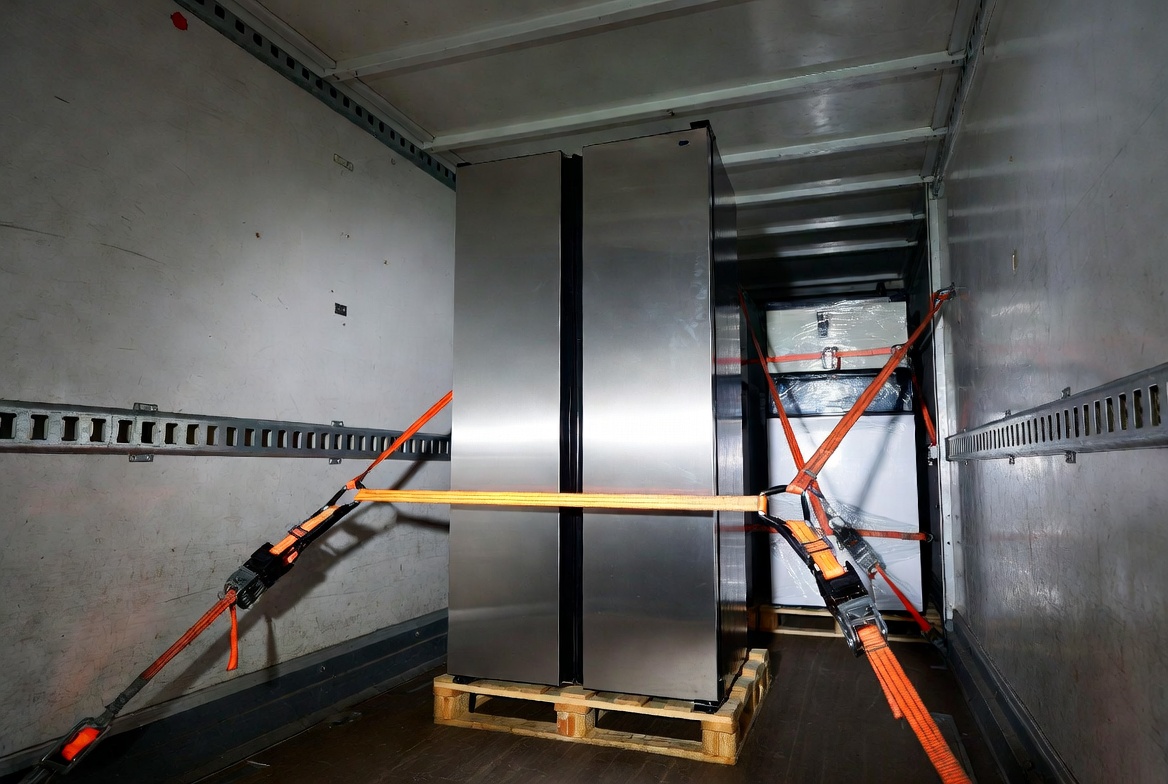
When loading, push the fridge onto the tail lift or walk it up a sturdy ramp using the sack trolley. Inside the van, position the refrigerator upright against the bulkhead (the solid partition separating the cab from the load area) or as close to the front of the trailer as possible. This placement provides maximum stability and prevents the unit from becoming a dangerous battering ram during sudden braking.
You must then strap the appliance securely. Use high-quality ratchet straps attached to the vehicle’s designated tie-down points. Run the straps over the top and across the middle of the unit, but be careful not to overtighten them, which could crush the delicate exterior casing or damage the internal cooling fins. Use moving blankets or foam corner protectors beneath the straps to distribute the pressure and prevent deep scratches. A well-secured load shouldn’t move an inch, even on the bumpiest British B-roads.
Why Upright Transport and Settling Time are Non-Negotiable
We cannot stress this enough: commercial refrigerators and freezers must be transported in a completely upright position. But why is this rule so universally enforced by technicians and manufacturers alike? The answer lies hidden within the compressor, the heavy, black, dome-like component usually located at the bottom rear of the unit.
The compressor is the heart of the cooling system, and just like a car engine, it requires oil for lubrication. This specialized compressor oil is designed to sit safely within the sump of the compressor. When a fridge is tilted significantly or laid flat, gravity forces this thick oil to migrate out of the sump and travel up into the intricate network of refrigerant capillary tubes and cooling coils where it absolutely does not belong.
The Danger of the “Hydraulic Lock”
If you reach your destination, unload the fridge, and immediately plug it into the power supply, the compressor springs to life. However, instead of compressing refrigerant gas, it attempts to compress the oil that has flooded the system. Because liquids cannot be compressed, the compressor suffers a catastrophic failure known as a “hydraulic lock.” The internal valves snap, the motor burns out, and you are left with an incredibly expensive repair bill or a completely ruined appliance.
The Essential Settling Period
This is why the “settling time” is vital. You must allow gravity to do its work.
- If transported completely upright: The oil shouldn’t have moved much, but vibrations can still cause minor migration. Wait at least 4 to 6 hours before plugging the unit in.
- If significantly tilted (e.g., navigated up steep stairs): The risk of oil migration increases. Wait a minimum of 12 to 24 hours.
- If forced to transport horizontally (highly discouraged): The oil will have flooded the lines. You must stand the unit upright and wait at least 24 hours, though some experts recommend up to 48 hours, before attempting to power it on.
During this settling period, leave the doors open to allow the interior to reach room temperature and dry completely. Once the settling time has elapsed, plug the unit in and allow it to run empty until it reaches its optimal operating temperature before restocking your valuable produce.

Discover the Display-Fridge Wholesale Difference
Moving commercial refrigeration is a complex task that demands respect for the equipment’s engineering. By following proper preparation procedures, adhering to safe lifting techniques, and strictly observing the mandatory upright transport and settling rules, you can ensure your appliances arrive at their new location ready to perform.
However, if your current equipment is showing signs of age, or if the prospect of moving it is simply too daunting, it might be the perfect time to upgrade.
At Display-Fridge Wholesale, we provide superior commercial fridge equipment to hospitality markets all over the United Kingdom. We supply commercial refrigerators and shop freezers to businesses throughout England at a wholesale price. Whether you need an elegant patisserie cake fridge to tempt customers, a robust multideck open fridge for a busy convenience store, or high-capacity storage fridges for a demanding kitchen, we have the perfect solution. Purchase an affordable commercial fridge now by exploring our extensive range online at Display-Fridge Wholesale, where quality meets wholesale affordability.
👉 SHOP OUR COMMERCIAL FREEZERS