
 0 items –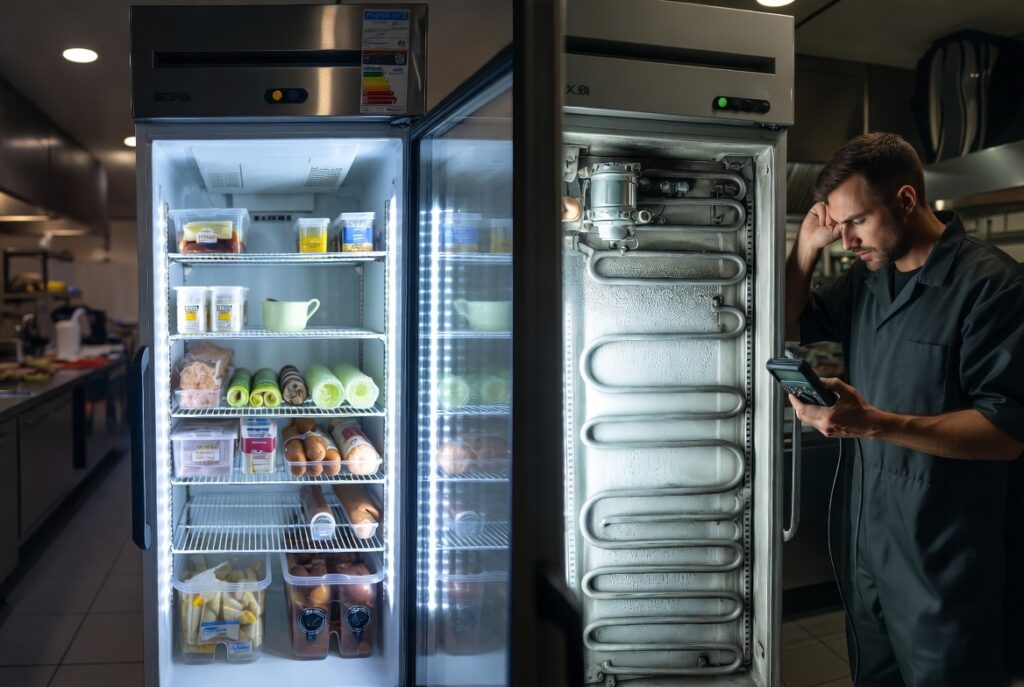
Evaluating the financial benefits and repair risks of buying new vs. used commercial refrigeration equipment. We explain the upfront savings versus long-term running costs.
Deciding between brand new and used commercial refrigeration equipment is a critical crossroad for any food business in the UK. Whether you are launching a chic café in London, a bustling pub in Manchester, or managing a large supermarket in Birmingham, your commercial fridges are the pulsing heart of your operation. They keep your valuable stock fresh, display your enticing goods, and ensure you comply with strict food safety regulations. However, the initial capital outlay for these essential units can be substantial. Naturally, the prospect of halving that upfront expense by buying second-hand coolers is incredibly tempting. But is that initial saving a genuine financial benefit, or a fast track to hidden repair risks and skyrocketing energy bills?
We understand the pressure to balance the books while ensuring absolute reliability. Think of it like buying a car for a demanding daily commute. A ten-year-old vehicle might be cheap today, yet the constant trips to the mechanic and poor fuel efficiency soon drain your wallet. Similarly, a second-hand commercial fridge has already lived a demanding life. Conversely, a fresh, top-tier display fridge off the assembly line offers peace of mind, warranties, and the latest energy-saving technology, even if the initial price tag makes you wince. So, how do you evaluate the true lifetime cost of these cooling behemoths?
We are Display-Fridge Wholesale, and we supply commercial refrigerators and freezers to businesses throughout England at a wholesale price. We provide superior fridge equipment to hospitality markets all over the United Kingdom. We’ve witnessed firsthand the triumphs of well-planned refrigeration investments and the costly disasters of poor choices. We will dissect the financial benefits and repair risks associated with buying used commercial refrigeration equipment versus investing in new models. We’ll explore the hidden energy costs, the reality of maintenance, and help you determine which route makes the most economic sense for your specific commercial needs.
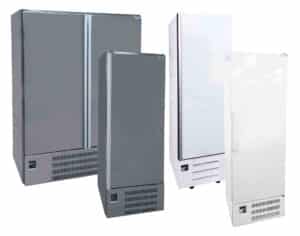


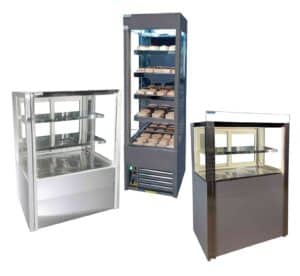

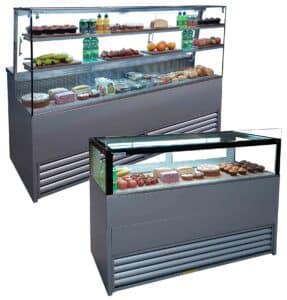

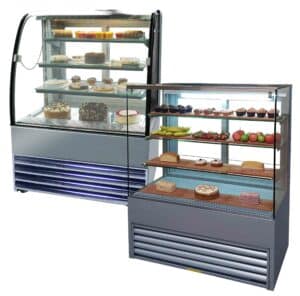
👉 SHOP OUR COMMERCIAL FREEZERS


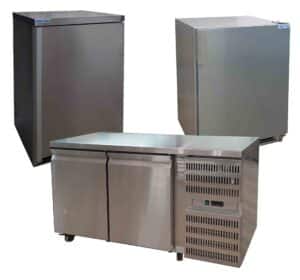

💡 Key Takeaways
- Used commercial refrigeration equipment offers an immediate 50-70% saving on the upfront purchase price, which is vital for tight startup budgets.
- New commercial fridges provide superior energy efficiency, drastically lowering your long-term electricity bills and reducing your carbon footprint.
- Buying a second-hand commercial fridge carries significant repair risks; a single compressor failure can cost more than the unit is worth.
- Manufacturer warranties on new units (often 1-3 years) provide critical financial protection against unexpected breakdowns, a safety net rarely found with used equipment.
- The total cost of ownership over a 5-10 year period often makes new, energy-efficient refrigeration cheaper than maintaining an older, power-hungry used model.
Take a moment to reflect: How much did you spend on fridge repairs and wasted food last year? Keep that figure in mind as we explore the real costs.

The Financial Allure of Used Commercial Refrigeration Equipment 💷
The primary argument for buying used commercial refrigeration equipment is undeniable: the immediate impact on your cash flow. Setting up a commercial kitchen or a retail store involves a dizzying array of expenses, from shop fitting to licensing. When you review quotes for brand-new, premium commercial fridges, the numbers can be daunting. Second-hand dealers and private sellers offer a seemingly perfect solution, frequently pricing their stock at a fraction of the original manufacturer’s recommended retail price. This massive upfront discount allows you to allocate precious capital to other urgent areas of your business, such as marketing or initial stock inventory.
Let’s look at the numbers. A brand new, high-capacity upright storage fridge might cost £2,500. A comparable used commercial fridge, perhaps five years old and sourced from a closed restaurant, might be available for just £800. That £1,700 saving is significant. For a small independent café trying to get off the ground, that money could cover the first month’s rent or pay for a top-of-the-range espresso machine. The temptation is incredibly strong. You acquire the essential cooling capacity you desperately need without crippling your initial budget.
Furthermore, the depreciation curve of commercial catering equipment is steep. Just like driving a new car off the forecourt, a new commercial chiller loses a chunk of its resale value the moment it is plugged in. By purchasing second-hand, you are effectively letting the previous owner absorb that initial, heavy depreciation hit. You are buying the equipment at a price closer to its actual functional value. If your business model requires rapid expansion and you need multiple units—say, several drinks fridges or a row of multideck open fridges—the cumulative savings of buying used can be the difference between opening on time and delaying your launch.
However, this initial financial triumph must be viewed with caution. The purchase price is merely the entry fee. Commercial refrigerators run 24 hours a day, 365 days a year. They are hungry beasts when it comes to electricity, and their internal components work tirelessly. The money you save on day one can quickly evaporate if the equipment you bought is inefficient or on the brink of a major mechanical failure. Evaluating the true financial benefit requires looking past the price tag and estimating the running costs and repair risks over the next three to five years.
👉 Discover Premium Display Fridges at Wholesale Prices Today!
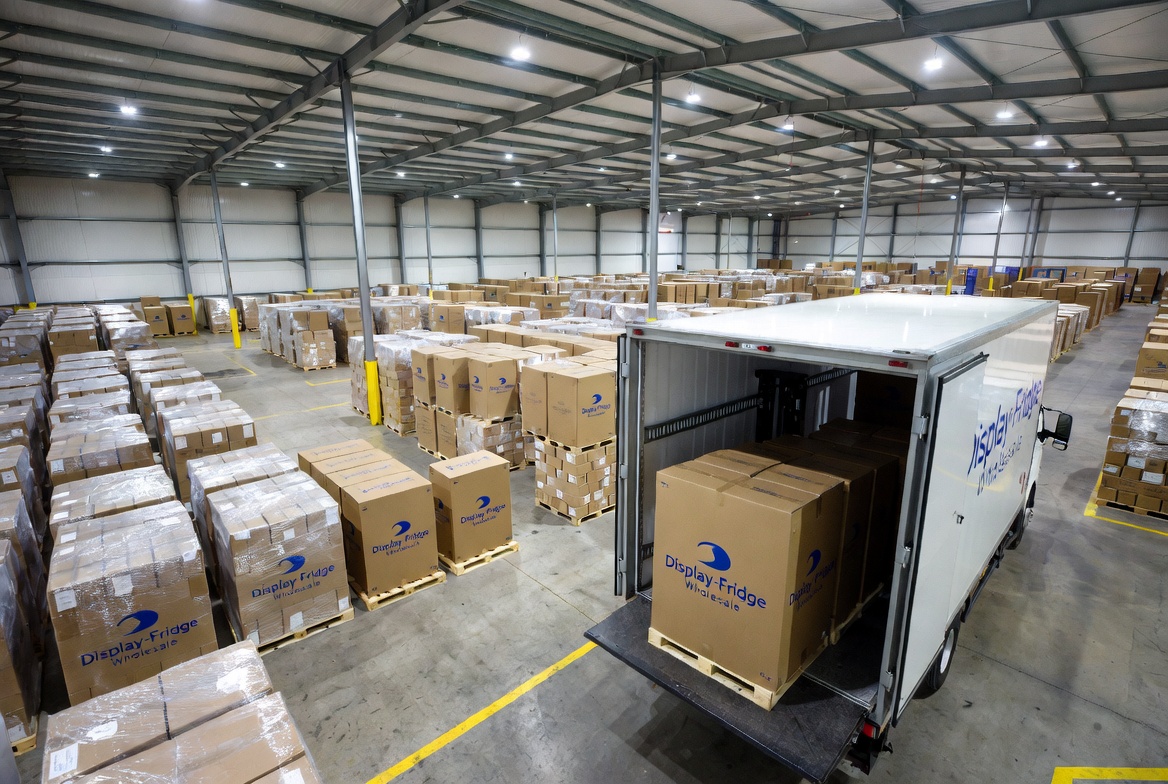
Evaluating the Repair Risks of a Second-Hand Commercial Fridge 🛠️
When you commit to buying a used commercial fridge, you are inheriting its history. Unlike a new unit with zero operating hours, a second-hand cooler has endured years of relentless service. Commercial kitchens are harsh environments—hot, greasy, and fast-paced. Refrigerator doors are slammed shut hundreds of times a shift, condensers suck in dust and flour, and compressors work overtime during peak summer rushes. Unless you know the previous owner personally, you have no way of verifying how well the equipment was maintained. Did they regularly clean the condenser coils? Did they address minor faults promptly, or let them develop into major issues?
This unknown history translates directly into repair risks. The most vulnerable component is the compressor, the engine of the refrigeration system. Replacing a burnt-out commercial compressor is a major job, often costing between £500 and £1,000, depending on the unit’s size and the refrigerant required. If you bought your used commercial fridge for £600, a compressor failure effectively totals the unit. You are faced with the grim choice of paying a massive repair bill or scrapping the fridge and starting again. Furthermore, finding replacement parts for older, discontinued models can be a logistical nightmare, leaving your stock vulnerable to spoilage while you wait for a specific fan motor to arrive from overseas.
Anyway, it is not just the big, catastrophic failures you need to worry about. The cumulative cost of minor, reactive repairs quickly erodes your initial savings. Worn door gaskets (seals) are a common issue on older units. A split seal allows warm air to flood the cabinet, forcing the compressor to run constantly to maintain the temperature. This not only spikes your energy bill but also accelerates the wear and tear on the entire system. Thermostats fail, evaporator fans seize up, and refrigerant slowly leaks from microscopic stress fractures in the pipework. Each call-out for a refrigeration engineer in the UK typically costs between £80 and £150 just for them to walk through the door, before parts and hourly labour are factored in.
The ultimate repair risk is operational downtime. If your only cake fridge fails on a busy Saturday morning, the financial damage is twofold. First, you face the immediate cost of emergency repairs or hiring a temporary unit. Second, and far more damaging, you suffer the loss of all your perishable stock and the revenue from the sales you couldn’t make. A reliable fridge is an invisible shield protecting your profits; a failing used unit is a ticking time bomb. The risk of sudden failure is precisely why many established businesses strictly avoid second-hand refrigeration, viewing it as a false economy that jeopardizes their core operations.
Imagine your main display fridge breaks down right now. How much stock would you lose in the next 4 hours?

The Hidden Cost: Energy Efficiency and Running Expenses ⚡
- The 24/7 Power Drain: Commercial refrigeration units never sleep. They draw power continuously to fight the ambient heat of your premises. Energy costs represent roughly 60% of a refrigerator’s total lifetime cost. An older, used commercial fridge, built before modern energy standards, can consume 30% to 50% more electricity than a brand-new, A-rated equivalent.
- Technological Advancements: Refrigeration technology has advanced rapidly. Brand new models utilize highly efficient hydrocarbon refrigerants (like R290), sophisticated variable-speed compressors, and superior polyurethane insulation. A second-hand commercial fridge, even just five years old, likely lacks these innovations, meaning it works harder and uses more power to achieve the same cooling result.
- The Wear and Tear Factor: Even if a used fridge was efficient when new, age takes its toll. Micro-leaks deplete refrigerant, forcing the system to run longer cycles. Dust-clogged condenser coils act as insulation, trapping heat and dramatically reducing efficiency. These invisible inefficiencies quietly inflate your monthly utility bills.
- The Mathematical Reality: If a used shop fridge saves you £1,000 upfront but costs an extra £400 a year in electricity compared to a new model, your savings vanish in just two and a half years. From year three onwards, you are actively losing money. The “cheap” second-hand option becomes a long-term financial drain.
- Environmental Impact: Beyond the financial hit, older units are environmentally detrimental. They consume more fossil-fuel-generated electricity and often rely on older refrigerants with high Global Warming Potential (GWP). Upgrading to new equipment aligns your business with modern sustainability goals.
👉 Shop our Energy-Efficient Drinks Fridges Now

The Superiority of New Commercial Refrigeration Equipment 🏆
Investing in brand new commercial refrigeration equipment is fundamentally an investment in business continuity and long-term profitability. While the initial capital outlay is undeniably higher, the advantages heavily outweigh the costs over the equipment’s lifespan. When you unwrap a new display fridge or a gleaming stainless-steel prep counter, you are securing absolute reliability. The components are pristine, the insulation is uncompromised, and the refrigerant levels are perfectly calibrated. This translates to consistent, unyielding temperature control, ensuring your valuable food and drink inventory is kept in the safest, most appealing condition possible.
Furthermore, modern commercial fridges are engineered with visual merchandising in mind. If you run a high-street bakery or a convenience store, your refrigeration is essentially your primary sales tool. A new open fridge or a stylish grab & go sandwich fridge features brilliant, energy-saving LED lighting that makes your products pop. The glass is clear and double-glazed to prevent condensation, ensuring customers always have a perfect view of your chilled offerings. An older, used unit often suffers from dim lighting, scratched interiors, and foggy glass, which subconsciously signals poor quality to your customers and actively suppresses impulse purchases.
We supply commercial fridges and freezers that are built to withstand the rigours of modern hospitality. Buying new grants you access to the latest smart technologies. Many contemporary units feature digital controllers that allow for precise temperature adjustments and incorporate automated defrost cycles, minimizing manual labour for your staff. Crucially, new equipment complies with the latest, stringent F-Gas regulations regarding refrigerants, protecting you from future compliance issues and the escalating costs associated with servicing obsolete, high-GWP systems. You are future-proofing your business operations.
👉 SHOP OUR COMMERCIAL FREEZERS
The Power of Manufacturer Warranties
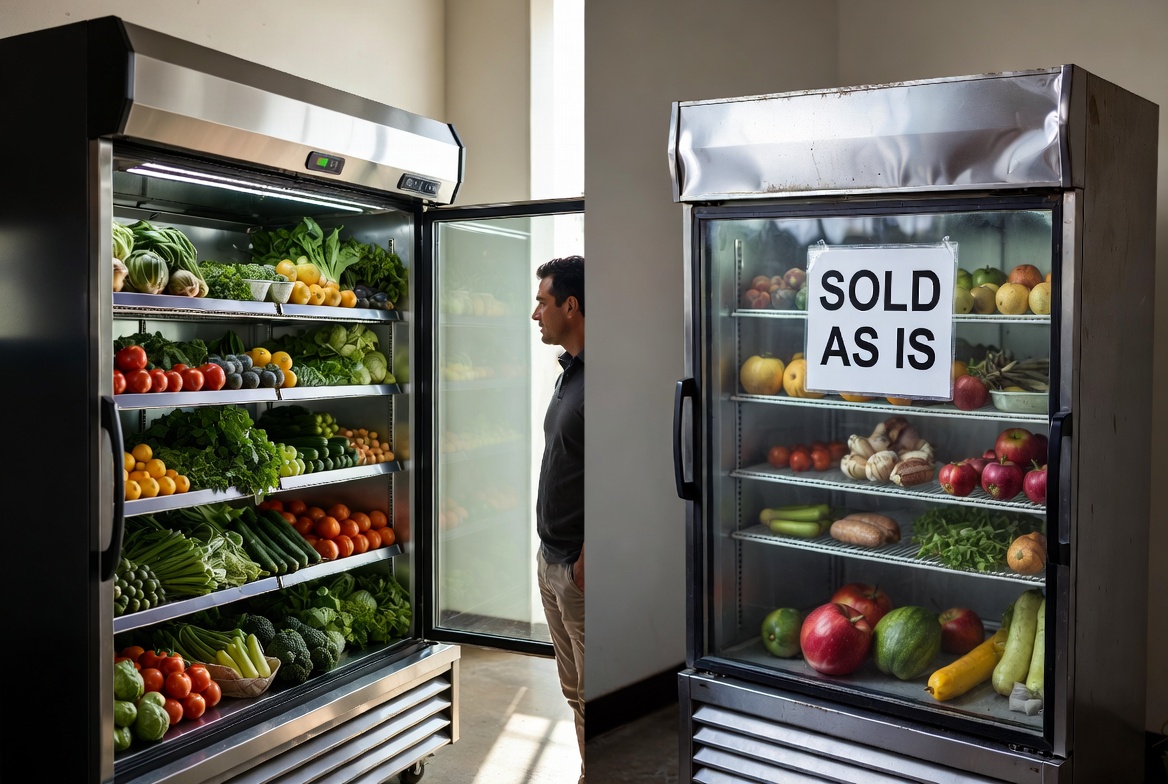
Perhaps the most significant financial benefit of buying a new commercial fridge is the manufacturer’s warranty. Reputable brands provide comprehensive warranties, typically ranging from one to three years, covering both parts and labour. This is your financial safety net. If a compressor fails or a digital controller malfunctions within that period, the manufacturer bears the cost of the repair, not you. This predictability allows you to budget accurately, knowing you won’t be hit with a £800 emergency repair bill in your first year of trading. Used equipment, conversely, is usually sold ‘as seen’ or with a negligible 30-day guarantee, leaving you entirely exposed to mechanical risks.
Enhancing Your Brand Image
Never underestimate the visual impact of your equipment on your brand’s perception. In a cafe or deli, your refrigeration is front and centre. A gleaming, modern patisserie fridge communicates hygiene, professionalism, and a commitment to quality. It tells your customers that you care about your products. Contrarily, a battered, yellowing second-hand fridge with a noisy fan suggests corner-cutting and neglect. The aesthetic appeal of new equipment directly contributes to an inviting atmosphere, encouraging customers to linger, trust your food safety, and ultimately, spend more money.
👉 Browse our elegant Patisserie Cake Fridges
Does your current equipment reflect the quality of the food you serve? If not, it might be costing you sales.
Frequently Asked Questions (FAQs)
What is the typical lifespan of new vs. used commercial refrigeration equipment?
A brand new commercial fridge, assuming it is properly maintained and serviced regularly, should reliably last between 10 to 15 years. Conversely, a used commercial fridge has an unpredictable remaining lifespan. Depending on its age and previous usage, you might get 3 to 5 years of service, but major components could fail much sooner.
Is it ever a good idea to buy a used commercial fridge?
Buying used can be acceptable for non-critical, back-of-house storage if you are on an extremely tight budget. However, for front-of-house display chillers that drive sales, or units holding high-value perishable stock (like meat or expensive dairy), the risk of failure and the negative aesthetic impact usually make buying new the smarter financial decision.
How much does commercial refrigeration maintenance cost in the UK?
A single, reactive call-out for a broken fridge typically costs between £80 and £150 just for attendance, plus parts and hourly labour. A planned preventative maintenance (PPM) contract, which we highly recommend to prevent breakdowns, generally costs between £120 and £300 annually per unit, depending on complexity.
Do you provide warranties with your commercial fridges at Display-Fridge Wholesale?
Yes, absolutely. Because we provide superior commercial fridge equipment to hospitality markets, our brand-new units come with comprehensive manufacturer warranties. This ensures that your investment is protected and you have peace of mind knowing you won’t face unexpected repair bills shortly after purchase.

Actionable Recommendations for Your Next Purchase 📈
Navigating the complex choice between new and used commercial refrigeration requires a clear strategy. Firstly, calculate your Total Cost of Ownership (TCO) rather than just staring at the initial purchase price. Factor in the expected lifespan, estimated energy consumption based on the unit’s efficiency rating, and potential repair costs. A £1,500 new fridge that lasts ten years with low energy bills is vastly cheaper than a £600 used fridge that dies after three years and guzzles electricity. Always demand to see the energy rating label when comparing models.
Secondly, prioritize your critical equipment. If you run a sandwich shop, your grab & go sandwich fridges are your main source of income; they must be brand new, reliable, and visually perfect. You might take a calculated risk on a second-hand chest freezer for bulk storage in the basement, but never compromise on the equipment that directly interacts with your customers or holds your most sensitive ingredients. Your front-of-house display is your silent salesperson; ensure it looks pristine and operates flawlessly.
Finally, implement a strict maintenance regime regardless of whether you buy new or used. The single biggest cause of commercial fridge failure is a blocked condenser coil. Train your staff to gently brush or vacuum the cooling fins every month. Keep door seals clean and check them regularly for tears. A clean fridge works less hard, consumes less energy, and lasts significantly longer. Preventive maintenance is drastically cheaper than emergency reactive repairs. Treat your refrigeration like the critical infrastructure it is.
Securing Your Business with the Right Refrigeration Choice
Evaluating the financial benefits and repair risks of buying second-hand coolers versus new commercial refrigeration equipment reveals a stark reality. While the initial upfront discount of used equipment is seductive, it frequently masks a cascade of hidden costs. The aggressive depreciation of older units, the high probability of expensive mechanical failures, and the relentless drain of poor energy efficiency often transform a “bargain” into a financial liability. A used commercial fridge is a gamble with your stock, your operating budget, and ultimately, your business’s reputation for quality and safety.
Conversely, investing in new, high-quality commercial fridges offers tangible, long-term financial benefits. The superior energy efficiency slashes your monthly utility bills, while comprehensive manufacturer warranties shield you from catastrophic repair costs. Moreover, the aesthetic brilliance of modern display units actively enhances your visual merchandising, driving impulse sales and elevating your brand. When you calculate the true lifetime cost, the reliability and efficiency of new equipment invariably prove to be the smartest, most secure investment for your hospitality or retail business.
Don’t risk your stock and profits on unreliable second-hand equipment. Display-Fridge Wholesale ltd provides superior commercial fridge equipment to hospitality markets all over the United Kingdom. We supply commercial chillers and freezers to businesses throughout England at a wholesale price.
Explore our extensive range of high-quality, energy-efficient units today. Whether you need stylish multideck fridges, robust storage freezers, or elegant under counter fridges, we have the perfect solution to elevate your business.
👉 SHOP OUR COMMERCIAL FREEZERS