
 0 items –
Understand the fundamental differences between internal heat absorption and external heat release in commercial refrigeration units. Have you ever wondered how a massive storage unit keeps hundreds of pints of milk perfectly chilled while the kitchen around it feels like a furnace? The secret lies in a continuous, invisible cycle of heat transfer. At the core of this cooling process are two vital components working in tandem to protect your valuable food stock. Keeping your inventory safe requires a solid understanding of how these thermal exchange mechanisms operate. So, whether you run a bustling cafe or a large-scale restaurant, grasping the mechanics behind your equipment empowers you to make smarter maintenance decisions. We will explore the precise engineering that allows your appliances to defy the ambient temperature. Regardless of the size of your operation, the scientific principles remain exactly the same. Let’s break down these complex thermodynamic ideas into simple, bite-sized concepts that apply directly to your daily kitchen routines.
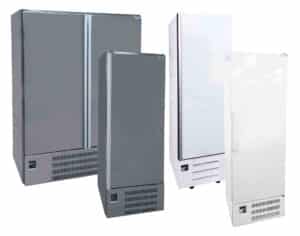


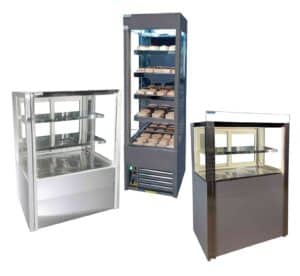

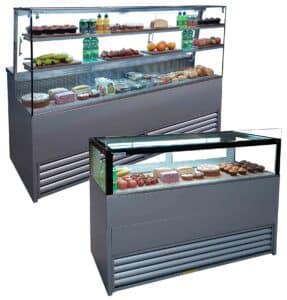

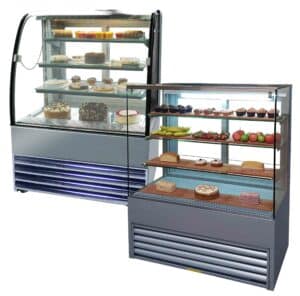
👉 SHOP OUR COMMERCIAL FREEZERS



💡Key Takeaways
- Heat is never truly destroyed; it is simply relocated from the inside of your cabinet to the outside environment.
- The evaporator acts as a thermal sponge, soaking up the warmth from your food and beverages.
- The condenser functions as the release valve, expelling that absorbed warmth into the surrounding ambient air.
- Regular maintenance of both components is absolutely critical to prevent compressor failure and sky-high electricity bills.
- Choosing the right equipment layout depends heavily on understanding where the expelled warmth will go in your premises.
The Heart of the System: Commercial Refrigeration Coils Explained
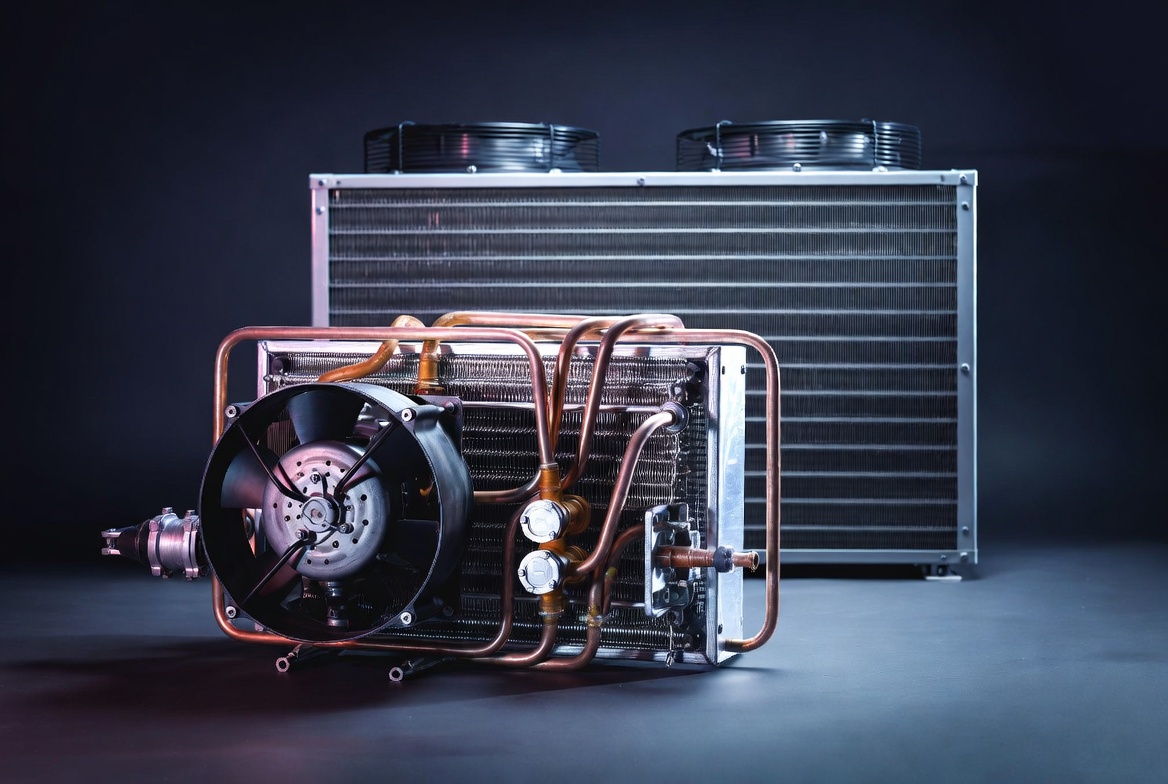
To truly appreciate the cooling process, think of your refrigeration unit as a highly efficient heat relocation service. Cold is not actually a real, physical thing that gets pumped into your cabinet. Contrarily, cold is simply the absence of heat. Therefore, to make the inside of your unit cold, the system must actively remove the existing heat from the air and the products stored within. This is where the concept of commercial refrigeration coils becomes incredibly useful. These components form a closed loop filled with a specialised chemical refrigerant. This chemical acts as the transport vehicle for the warmth. Imagine a sponge soaking up a spill on your kitchen counter. You wipe up the liquid, carry the soaked sponge to the sink, and squeeze it out. Your cooling system does exactly this, but with thermal energy instead of water.
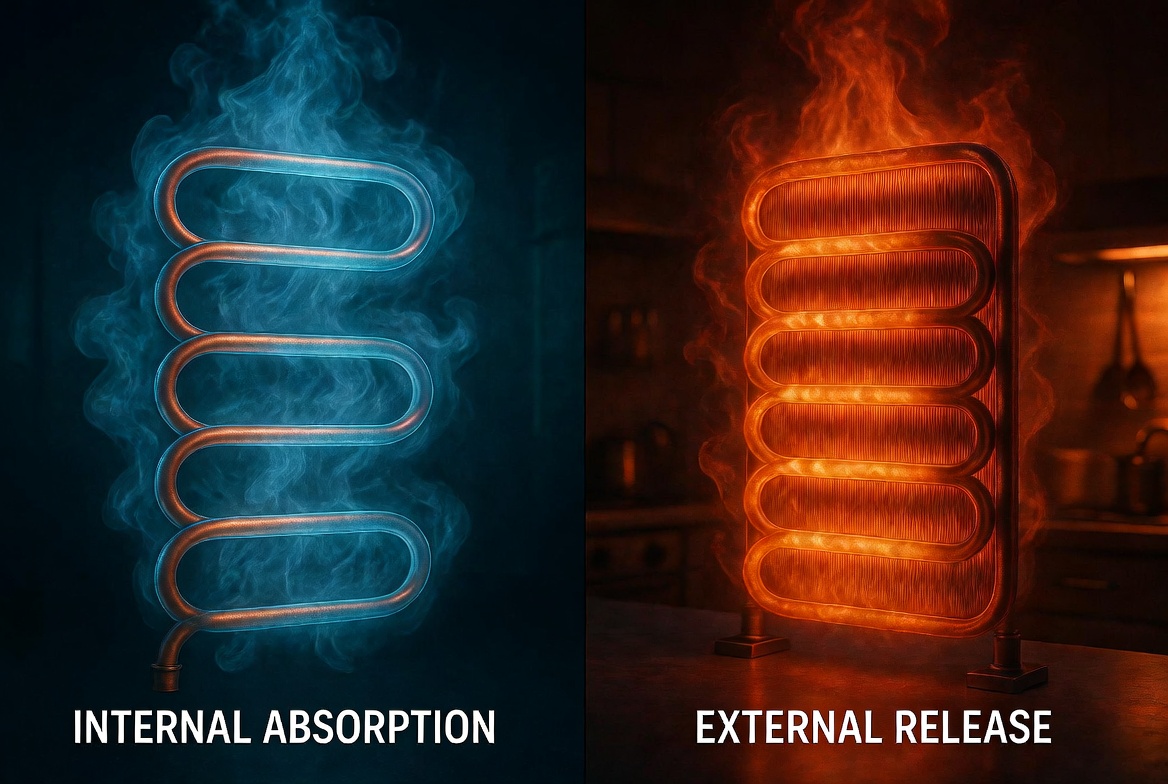
The internal component acts as the dry sponge, eagerly absorbing the thermal energy radiating from your fresh produce. Once the refrigerant absorbs this energy, it travels through copper piping to the external component, which then acts as the squeezing action over the sink, dumping the heat into the room. However, this continuous loop requires pressure changes to force the refrigerant to change its physical state from a liquid to a gas and back again. The compressor creates the high pressure needed to expel the heat, while the expansion valve drops the pressure to allow the heat absorption to begin anew. Knowing this continuous loop helps you understand why blocking the airflow to either of these vital areas disrupts the entire process. If the sponge cannot touch the spill, or if you cannot reach the sink to squeeze it out, the system fails.
How the Refrigerant Connects the Two Halves
The refrigerant is the lifeblood of the entire cooling operation. It journeys endlessly between the inside and the outside of your appliance. When it enters the internal section, it is a very cold, low-pressure liquid. As fans blow the relatively warm air from your cabinet over these chilled metal fins, the liquid inside boils and turns into a gas. This phase change is crucial because changing from a liquid to a gas absorbs a massive amount of thermal energy. Still, the journey is only half over. The compressor then sucks in this warm gas and violently compresses it. This mechanical action dramatically increases both the pressure and the temperature of the gas.
Now, this super-hot, high-pressure gas travels to the external section. Because this gas is significantly hotter than the ambient air in your kitchen, the heat naturally flows out of the metal fins and into the room. As it loses this heat, the gas condenses back into a liquid state. Hence the name of the component. Finally, this high-pressure liquid pushes through a tiny restriction called an expansion valve. This sudden drop in pressure causes the liquid to cool down rapidly, preparing it to re-enter the internal section and start the absorption process all over again. Yet, if any part of this delicate pressure balance is compromised by dirt, ice, or mechanical failure, the refrigerant cannot change state efficiently. When looking at your counter fridges or large storage fridges, remember that this complex chemical journey is happening constantly, right behind the metal panels.
Why Coil Health Dictates Energy Efficiency
Your business’s bottom line is directly tied to the efficiency of this thermal exchange process. When the metal fins on either end of the system become insulated by dirt, dust, or ice, the heat transfer slows down dramatically. The refrigerant cannot absorb warmth effectively, nor can it release it. Consequently, the compressor has to run significantly longer to achieve the desired internal temperature. This extended run time consumes a vast amount of excess electricity. According to the Carbon Trust UK, improving the efficiency of commercial cooling systems can reduce energy costs by up to 20 percent. That is a substantial saving for any hospitality business operating on tight margins.
Moreover, forcing the compressor to work overtime generates excessive wear and tear on the moving parts. The compressor is the most expensive component in the entire system. When it overheats due to poor heat transfer, it will inevitably fail prematurely. Replacing a burnt-out compressor often costs almost as much as purchasing a brand new unit. Therefore, keeping the heat exchange surfaces pristine is an act of financial preservation. If you operate display fridges in a busy cafe, the constant opening and closing of doors puts immense strain on the system. The internal parts must work frantically to absorb the warm, humid air rushing in. If those parts are compromised by poor maintenance, your energy bills will skyrocket, and your stock could easily spoil during a busy service.
The Evaporator Coil: Internal Heat Absorption Explained
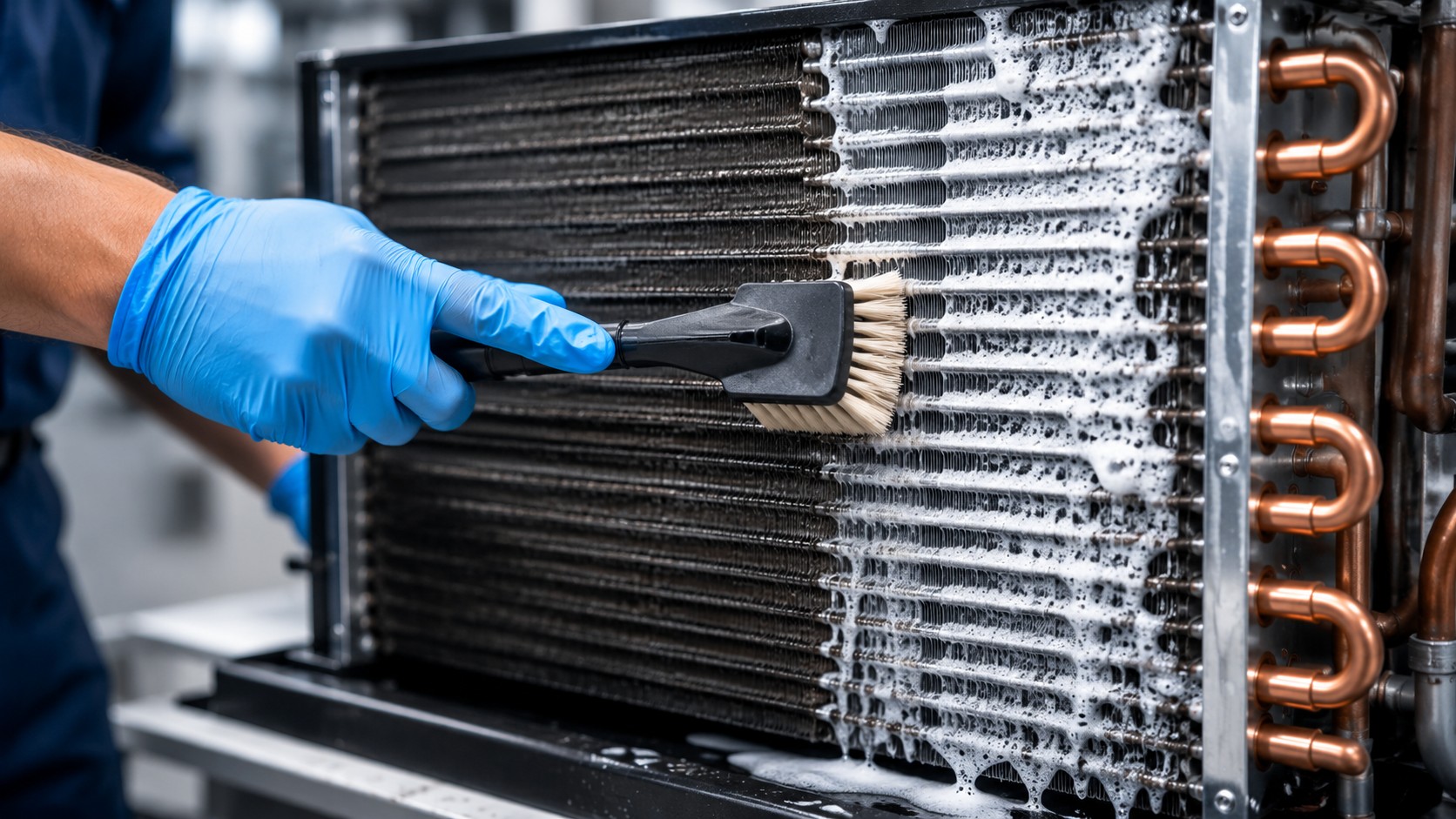
Now, let us focus entirely on the internal heat absorption process. This component is situated inside the insulated cabinet, usually hidden behind a fan baffle at the top or rear of the unit. Its primary job is to extract the warmth from the air circulating inside the cabinet. The design is deliberately engineered to maximise surface area. You will notice it consists of a long, winding copper or aluminium tube surrounded by hundreds of thin, delicate metal fins. This structure ensures that the maximum amount of circulating air comes into direct contact with the chilled metal. Fans pull the warm air from the cabinet, force it through these closely spaced fins, and then push the newly chilled air back over your food.
It is a continuous cycle of air movement. The efficiency of the evaporator vs condenser coil debate often starts right here, because if the internal heat is not captured effectively, the rest of the system cannot function. Think of a hot cup of tea. If you blow across the surface, it cools down faster because you are moving air across the heat source. The fans in your appliance do exactly the same thing, just in reverse. They move the cabinet air across the freezing tubes to extract the warmth. But, this continuous airflow means that anything suspended in the air inside the fridge will eventually be drawn into these metal fins. This includes moisture from the air, microscopic food particles, and vapours from acidic ingredients. Over time, these elements can cause significant operational challenges if left unaddressed. Keeping this internal environment hygienic is vital for the longevity of your equipment, whether you are using grab & go Fridges or dedicated upright meat freezers.
The Critical Role of Defrost Cycles
One of the most persistent challenges for the internal cooling section is the accumulation of frost. Because the metal fins operate at temperatures below freezing, any moisture in the cabinet air will instantly freeze upon contact with the metal. Every time you open the door of your appliance, a rush of warm, humid kitchen air enters the cabinet. This moisture is eagerly drawn towards the freezing fins. Over hours and days, this frost builds up into a solid block of ice. Ice is a fantastic insulator. If you have ever worn a thick winter coat, you know that trapped air prevents heat transfer. An ice-covered cooling section simply cannot absorb the warmth from the cabinet air.
To combat this, modern appliances are equipped with automated defrost cycles. Periodically, the cooling process stops, and a small electric heater activates, or hot gas from the compressor is rerouted backward through the system. This melts the accumulated ice, turning it into water that drains away into a pan underneath the unit. However, if the defrost timer fails or if the door seals are broken, allowing too much humidity inside, the ice will quickly overwhelm the system. When dealing with display freezers or sliding glass chest freezers, the ambient humidity plays a massive role in how often the system needs to defrost. Monitoring these cycles ensures that the thermal sponge is always dry and ready to absorb more warmth.
Detecting Signs of Internal Failure
Recognising the early warning signs of an internal cooling failure can save you thousands of pounds in spoiled stock. The most obvious sign is a slow, steady rise in the cabinet temperature. If your unit is struggling to stay below the legal requirements set out by the Food Standards Agency, the internal heat absorption process is likely compromised. You might also notice that the compressor is running constantly without ever shutting off. This means the system is desperately trying to remove heat but failing to do so efficiently.
Another clear indicator is a distinct lack of airflow. If you hold your hand inside the cabinet and cannot feel a strong, cold breeze circulating, the fans might be broken, or the metal fins might be completely blocked by a solid wall of ice. Furthermore, unusual smells can indicate a problem. Since the internal fins are constantly wet from condensation, a blocked drain pipe can cause stagnant water to pool, leading to bacterial growth and foul odours. This is especially problematic in units storing fresh produce, like deli counters or cake fridges, where odours can transfer to the delicate food. Regularly inspecting the interior, listening to the fans, and checking the temperature logs are your best defences against a catastrophic stock loss.
The Condenser Coil: External Heat Release Dynamics
Moving to the outside of the appliance, we encounter the crucial external heat release mechanism. While the internal section absorbs the thermal energy, this external component has the equally important job of getting rid of it. If this heat is not expelled efficiently, the entire cooling cycle grinds to a sudden halt.
- Location and Vulnerability: This component is always located outside the refrigerated zone. Depending on the model, it might be mounted on the top, underneath, or at the back of the unit. Because it sits in the ambient environment of your kitchen or shop floor, it is highly exposed to external contaminants.
- The Dust and Grease Trap: Kitchen environments are notoriously harsh. The air is filled with airborne flour, aerosolised cooking oils, dust, and general debris. The fans pull this contaminated room air forcefully through the closely spaced metal fins to cool the hot refrigerant gas. Consequently, these fins act like a giant air filter, trapping all that sticky grime.
- The Insulation Effect: When grease and dust combine on the metal fins, they create a thick, felt-like blanket. This blanket severely insulates the metal. The hot refrigerant gas inside the tubes can no longer transfer its heat to the room air. The heat remains trapped within the system.
- Compressor Overload: When the heat cannot escape, the compressor has to push harder and run longer to force the cooling cycle to continue. The pressure inside the system spikes to dangerous levels. The compressor essentially suffocates, overheating its internal electrical windings until it inevitably burns out.
- Ambient Temperature Constraints: The external heat release process relies on the room air being cooler than the hot refrigerant gas. If your kitchen is unventilated and reaches extreme temperatures during a summer heatwave, the system struggles to dump the heat. You must ensure adequate ventilation around your under-counter fridges and drink fridges to allow the expelled warmth to dissipate.
Direct Comparison: Evaporator vs Condenser Coil
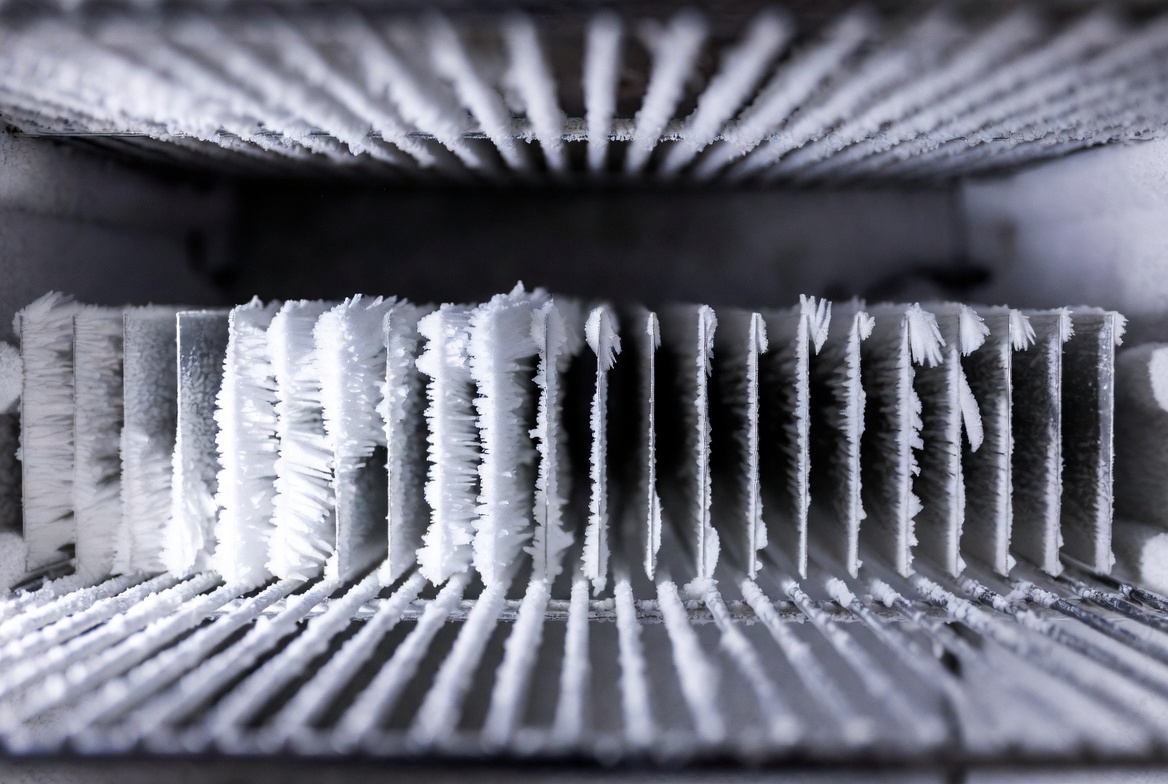
To fully grasp the evaporator vs condenser coil dynamic, we must compare them side-by-side. Both components look remarkably similar. They are both constructed from winding copper tubing woven through tightly packed aluminium fins. They both rely on electric fans to force air across their surfaces. Yet, their operational environments and primary functions are absolute opposites. Understanding this dichotomy is essential for anyone managing commercial kitchen equipment. One operates in a controlled, cold, and often damp environment, while the other fights for survival in a hot, greasy, and dusty room.
The internal component is the delicate absorber, carefully managing the humidity and temperature of your expensive inventory. The external component is the robust workhorse, battling the harsh ambient conditions to reject the thermal energy. Therefore, their maintenance needs differ significantly. A failure in either component results in the same outcome: a warm fridge and spoiled food. However, the root causes of those failures are entirely different. By separating their functions in your mind, you can troubleshoot issues much faster. When you look at an expansive setup like open fridges, you are looking at a massive internal absorption system that requires an equally massive external rejection system to keep the air curtain functioning flawlessly.
Divergent Operating Environments
The most significant difference lies in their daily operating environments. The internal section lives in the dark, cold, and humid interior of the cabinet. Its biggest enemy is moisture. The constant presence of condensation means that the metal fins are constantly wet. If acidic food spills are left uncleaned, the vapours can actually corrode the copper tubing over time, leading to microscopic refrigerant leaks. This environment requires careful management of humidity and airflow to prevent ice accumulation.
Contrarily, the external section lives out in the open. Its biggest enemies are dry dust and sticky cooking grease. It operates at high temperatures, often feeling hot to the touch. The ambient air in a busy restaurant kitchen is heavily laden with pollutants. As the fan drags this dirty air across the hot fins, the grease bakes onto the metal, creating a stubborn, insulating crust. Therefore, while you might gently melt ice off the internal section, you will need strong chemical degreasers and a stiff brush to clean the external section. Whether you rely on glass door freezers or compact storage freezers, recognising these distinct environmental challenges dictates how you care for the equipment.
Pressure and Temperature Dynamics
The physics happening inside the tubes is also entirely reversed. The internal component operates under low pressure. The expansion valve restricts the flow of the liquid refrigerant, creating a low-pressure zone. In this low-pressure environment, the liquid boils into a gas at a very low temperature. This is the exact mechanism that absorbs the heat from your cabinet. The tubes feel ice-cold to the touch.
Conversely, the external component operates under extreme high pressure. The compressor violently squashes the gas, forcing the molecules together. This mechanical compression generates an immense amount of heat. The gas entering these external tubes is incredibly hot. As the room air blows across the fins, it steals this heat, causing the high-pressure gas to condense back into a liquid. So, one side of the system uses low pressure to absorb heat, while the other side uses high pressure to reject it. This delicate balance of pressure is why you must never attempt to repair refrigeration lines yourself. A sudden release of high-pressure refrigerant is dangerous. Understanding this pressure dynamic helps you appreciate the sheer mechanical force required to keep your upright storage fridges running smoothly during a busy lunch rush.
Actionable Suggestions to Maximise Coil Lifespan
Protecting your investment means implementing a rigorous maintenance schedule. You cannot simply plug in a commercial appliance and forget about it. Proactive care is the only way to prevent sudden breakdowns. Firstly, establish a monthly cleaning routine for the external heat release section. Use a stiff-bristle brush (specifically designed for refrigeration fins) to gently brush away the accumulated dust and lint. Always brush in the direction of the fins, typically straight up and down, to avoid bending the delicate aluminium. If the fins become bent, air cannot pass through them, ruining the efficiency. For stubborn grease, especially in kitchens using deep fryers, you will need a commercial foaming coil cleaner. Spray it on, let it break down the grease, and carefully wipe it away.
Secondly, monitor the internal section for any signs of excessive frost. If you notice ice building up on the back wall of your cabinet, do not ignore it. Check your door seals. A ripped or worn magnetic gasket allows humid kitchen air to stream inside continuously, overwhelming the defrost cycle. Clean the door seals weekly with warm, soapy water to ensure they seal tightly. Furthermore, never overpack your appliances. Stuffing too many boxes into your storage fridge blocks the internal airflow. The cold air must be able to circulate freely to absorb the heat. If you block the fans with boxes of produce, the internal heat absorption process fails. Finally, schedule an annual inspection by a qualified refrigeration engineer. They can check the refrigerant pressure levels and calibrate the defrost timers, ensuring the entire system operates at peak efficiency.
FAQs
How often should I clean my commercial fridge coils?
For most hospitality environments, you should inspect and brush down the external condenser section at least once a month. However, if your equipment is located near deep fryers or ovens or in a heavily trafficked area with a lot of dust, you may need to clean it every two weeks. The internal evaporator section generally requires less frequent physical cleaning, but you should visually inspect it for ice buildup weekly. A deep chemical clean by a professional is recommended annually.
Can a damaged evaporator coil be repaired?
It depends entirely on the nature of the damage. If the delicate aluminium fins are merely bent, a technician can often use a special fin comb to straighten them out, restoring airflow. However, if the copper tubing has developed a puncture or a corrosion leak, the repair becomes complicated. While minor leaks can sometimes be brazed and sealed, often the entire component must be replaced. Leaking refrigerant is a serious issue that degrades cooling performance instantly and harms the environment.
Why is my condenser coil freezing up?
Interestingly, the external component should never freeze up. It operates at high temperatures to reject heat. If you see ice forming on the external tubing or the compressor itself, you have a severe system imbalance. This is usually caused by a heavily restricted airflow over the internal section (like a broken fan or a totally blocked cabinet), or a critically low charge of refrigerant fluid due to a leak. When this happens, the pressures drop drastically, causing the external lines to ice over. You must turn the unit off immediately and call a professional engineer.
Do different fridge types have different coil setups?
The fundamental physics remain the same across all refrigeration, but the design and placement vary wildly. For instance, under-counter freezers usually have a very compact, tightly woven external section due to space constraints, making them highly susceptible to dust blockages. Meanwhile, large open fridges have massive internal components hidden in the base or behind the back panel to handle the immense cooling load required to create a continuous air curtain. Regardless of the layout, the need for unimpeded airflow remains the universal constant.

Making the Right Choice for Your Kitchen
Navigating the complexities of commercial cooling does not have to be overwhelming. By understanding the core relationship between the evaporator vs condenser coil, you are better equipped to protect your valuable food inventory. The internal heat absorption and external heat release mechanisms are the lungs of your appliance, constantly breathing thermal energy out of your kitchen. Maintaining this delicate thermodynamic balance is the absolute key to energy efficiency and equipment longevity. When you commit to regular cleaning schedules and proper airflow management, you drastically reduce the risk of catastrophic compressor failures. Ultimately, informed maintenance choices lead to a smoother-running kitchen, lower electricity bills, and a healthier bottom line.
When it comes to upgrading or replacing your vital kitchen equipment, we are here to support your business. Display-Fridge Wholesale provides superior commercial fridge equipment to hospitality markets all over the United Kingdom. We supply commercial refrigerators and freezers to businesses throughout England at a wholesale price. Whether you need elegant drinks fridges for your bar area, robust sandwich fridges for your retail space, or heavy-duty upright freezers for your prep kitchen, we have the perfect solution to meet your exact specifications. Purchase an affordable commercial fridge now!
👉 SHOP OUR COMMERCIAL FREEZERS