
 0 items –
Discover expert advice on reducing fridge running costs, from cleaning condenser coils to fridge door management and LED lighting.
Running a hospitality business demands a sharp eye on overhead expenses. You know that utility bills take a massive bite out of your monthly profits. Commercial refrigeration equipment runs continuously. It never gets a day off, a holiday, or a tea break. However, implementing precise, deliberate strategies transforms how much power you consume on a daily basis. Reducing fridge running costs requires a solid blend of regular maintenance, strategic positioning, and understanding modern technology. We provide superior commercial fridge equipment to hospitality markets all over the United Kingdom, so we understand exactly what makes these cooling machines tick. Have you ever wondered why two identical cafes can have vastly different electricity bills? The answer usually lies in how the staff manages their hardware. Energy efficiency is not a mystery; it is simply physics applied to your daily kitchen routines. When you master these principles, you take direct control over your financial outgoings.
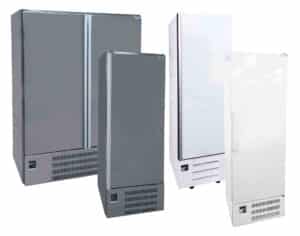


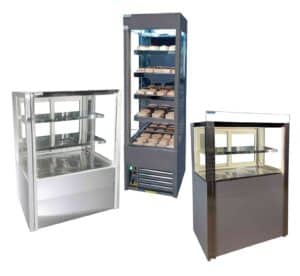

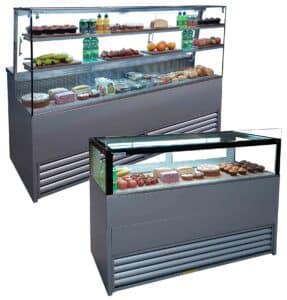

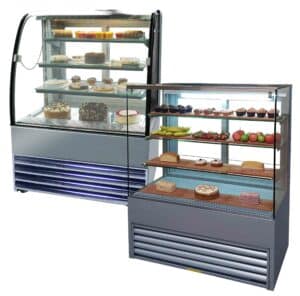
👉 SHOP OUR COMMERCIAL FREEZERS



💡 Key Takeaways
- Strategic placement away from heat sources drastically lowers power consumption.
- Strict fridge door management prevents heavy cold air from escaping onto the floor.
- Routinely cleaning condenser coils stops the compressor from overworking and burning out.
- Upgrading to LED refrigeration lighting reduces internal heat loads and slashes electricity usage.
- Maintaining a well-stocked cabinet helps retain thermal mass, keeping temperatures stable.

The Core Principles of Reducing fridge running costs
To grasp how to save money, you must understand how your equipment uses power. Think of your refrigerator as a marathon runner. It paces itself to maintain a steady temperature. If you put obstacles in the runner’s path, they expend far more energy to reach the finish line. Similarly, when a chiller faces poor ventilation or a damaged seal, it draws excessive electrical current to maintain safe food storage conditions. The Carbon Trust suggests that refrigeration can account for up to 50% of a catering business’s total energy bill. Therefore, applying commercial fridge energy saving techniques is paramount for your long-term financial health. Still, many busy operators ignore these fundamental principles until a catastrophic breakdown occurs. We recommend evaluating your current setup immediately. If you run a hectic commercial kitchen, taking the time to optimise the layout of your storage fridges and under counter fridges prevents the compressors from fighting a losing battle. The compressor is the mechanical heart of the cooling system. Anyway, when it works too hard, it draws heavy electrical current, driving up your bills exponentially. But you have the power to change this trajectory through mindful operation.
Strategic Placement for Commercial fridge energy saving
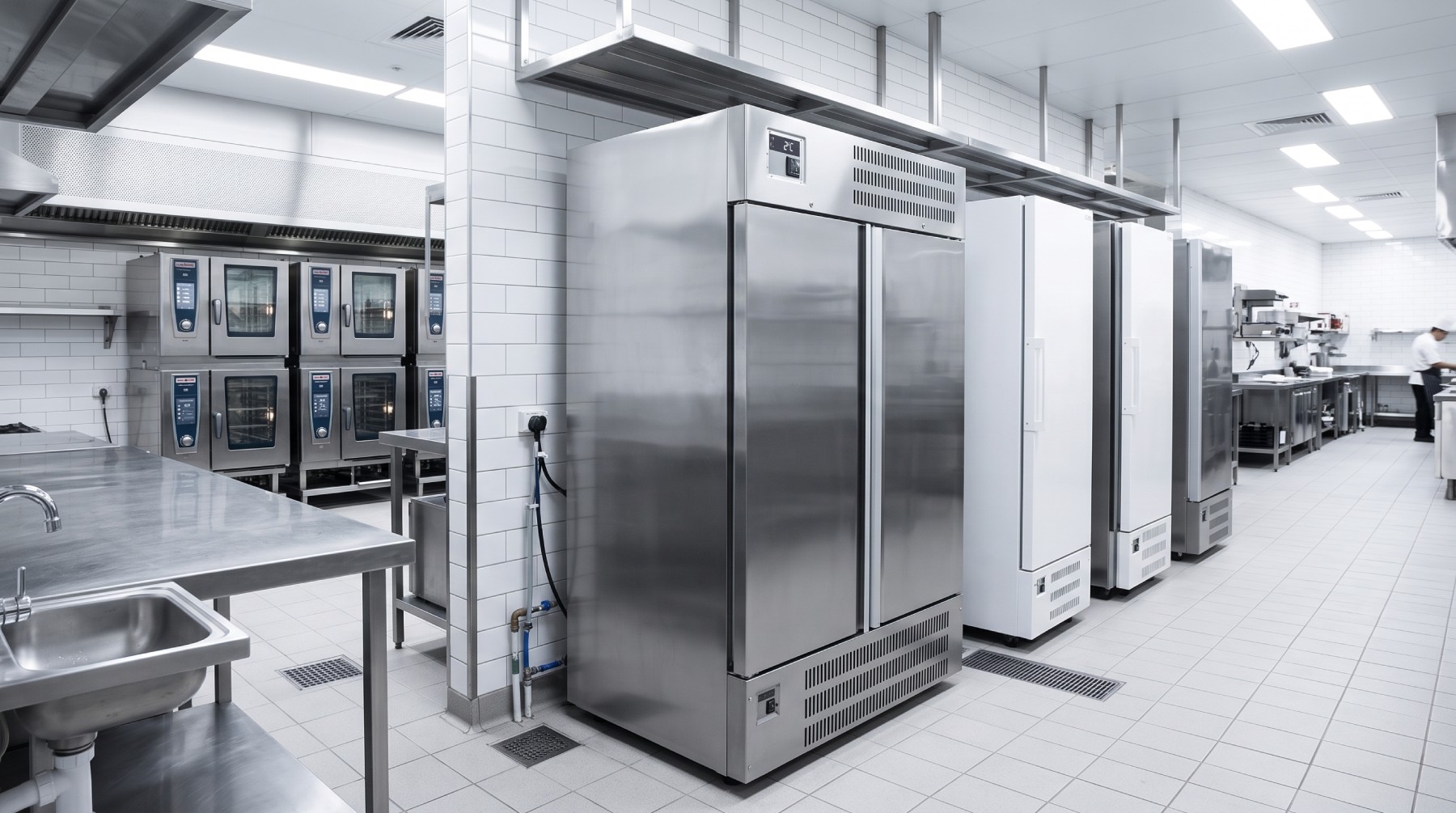
Where you position your equipment directly dictates its operational efficiency. Think about trying to cool down on a summer day while sitting right next to a blazing radiator; your body struggles to regulate its temperature. Cooling cabinets experience the exact same struggle when placed adjacent to intense heat sources. Ovens, deep fryers, dishwashers, and even direct sunlight streaming through a window force the refrigeration cycle to fight an uphill battle. You must allow adequate airflow around the exterior of the cabinet. Without a physical gap for air circulation, the heat extracted from the interior cavity has nowhere to go. It pools tightly around the machine. Consequently, the external thermostat registers a much higher ambient temperature, prompting the cooling cycle to trigger far more frequently than necessary. So, simply pull your units a few inches away from the wall. This minor action allows the expelled heat to dissipate safely into the room. Moreover, if your front-of-house area feels exceptionally warm due to poor ventilation, your multideck open fridges and grab & go sandwich fridges will inevitably consume substantially more electricity just to maintain safe legal holding temperatures.
Mastering fridge door management
The simple act of opening a cabinet plays a massive role in your overall energy consumption. Cold air is physically dense and heavy. When you pull the handle, that heavy chilled air literally falls out of the cabinet onto the floor, and lighter, warm, humid room air violently rushes in to replace it. Think of it like holding a bucket full of water; every time you open the door, you tip the bucket over. The machine then has to work incredibly hard to “refill” the internal cavity with cold air. Thus, proper fridge door management becomes a critical operational habit for your entire team.
- Strategic Restocking Protocols: Train your staff to load new inventory in bulk. Instead of opening the cabinet ten separate times to put away ten different deliveries, gather all items on a prep trolley and load them in one swift, coordinated operation.
- Maintenance of Rubber Seals: The magnetic gaskets around the edges wear out and split over time. If a seal is broken, warm air bleeds into the cavity constantly. Test your seals by closing the door on a crisp piece of paper. If the paper slips out easily, you urgently need replacement gaskets.
- Organisational Shelf Layout: Keep your most frequently used ingredients at the front and at eye level. If kitchen staff spend thirty seconds staring blankly into the cabinet searching for a specific sauce, they waste significant energy.
- Utilising Auto-Closing Hinges: Ensure the hinges and auto-closing mechanisms function smoothly without sticking. Regardless of how meticulously you train your team, human error happens during a busy service. A gap left ajar overnight is a financially painful mistake.
- Embracing Air Curtains: For open-front units, ensure the ambient room draughts do not disrupt the invisible air curtain protecting the chilled produce.
Implementing these protocols ensures your upright glass door freezers and display fridges maintain their precise internal climate without unnecessary electrical spikes. Yet, staff training remains a continuous, daily requirement to see real savings.

The Science Behind cleaning condenser coils
The condenser coil is a crucial component usually located at the back or underneath the main unit. Its primary job is to expel the hot air removed from the internal cabinet out into the surrounding room. To execute this heat transfer efficiently, the metallic fins must remain entirely free of debris. In a bustling commercial kitchen or a busy retail shop, the ambient air is thick with airborne flour, vaporised cooking grease, and everyday dust. This airborne debris inevitably gets sucked into the refrigeration unit’s intake fan and firmly coats the delicate coils. Imagine putting a thick, heavy woollen jumper over a central heating radiator; the heat simply cannot escape into the room. This is exactly what happens when a blanket of dust suffocates the condenser. The refrigerant gas flowing inside cannot release its thermal load, forcing the compressor to run continuously in a desperate attempt to achieve the programmed set temperature.
Cleaning condenser coils is a straightforward procedure, though it is easily forgotten in the rush of daily trade. You must disconnect the main electrical power supply before beginning any physical maintenance. Use a stiff-bristled utility brush to gently dislodge the accumulated, sticky grime from the metal fins. Always brush vertically in the exact direction of the fins to avoid bending or crushing the delicate aluminium. Next, use a powerful vacuum cleaner with a narrow nozzle attachment to aggressively suck away the loosened debris. Performing this fundamental task once a month dramatically lowers your monthly energy consumption. It substantially extends the mechanical lifespan of the compressor. Furthermore, ignoring this basic maintenance routine is the absolute leading cause of premature equipment failure across the UK hospitality sector. We see countless expensive emergency service calls that could have been completely avoided with a simple brush and a vacuum. If your deli counters or cake fridges seem to be running noticeably hotter or louder than usual, check the coils before calling an engineer. After all, a clean machine is fundamentally a cheap machine to run.

Upgrading to LED refrigeration lighting
Internal lighting plays a massive dual role in commercial cooling environments. Firstly, it beautifully illuminates the merchandise to visually entice customers, and secondly, it allows kitchen staff to safely identify stored goods. Older cabinets typically utilise traditional fluorescent tubes. These outdated tubes consume a significant amount of electricity and, problematically, produce a surprising volume of heat. Upgrading to modern LED refrigeration lighting offers a fantastic dual benefit. You lower the direct electrical consumption of the bulb itself, and you instantly reduce the thermal heat load trapped inside the chilled cavity.
The True Cost of Traditional Bulbs
Using traditional fluorescent lighting inside a chilled cabinet is fundamentally counterproductive to your goals. Every single watt of thermal heat generated by a glowing light bulb inside the cavity must be mechanically removed by the refrigeration system. It is exactly like running a small, plugged-in electric heater inside your cold room. You pay the utility company for the electricity to power the glowing bulb, and then you pay them again for the electricity to power the compressor to extract the heat that the bulb just created. This double penalty quietly drains your profit margins daily. Furthermore, standard fluorescent tubes degrade rapidly in freezing environments. They flicker annoyingly, their light output diminishes significantly over time, and they require highly frequent replacement. Have you noticed how older display cabinets often suffer from dark spots or cast a sickly yellowish light? This poor illumination makes your fresh produce look tired and unappealing. Food looks dull, which easily deters passing customers from making a spontaneous impulse purchase. When you are proactively managing front-of-house equipment like drinks fridges and countertop fridges, visual presentation is absolutely paramount. Nonetheless, many independent business owners hesitate to upgrade older functional units, fearing the initial capital outlay. Contrarily, the financial return on investment through monthly energy savings and reduced maintenance call-outs is remarkably swift.
The Advantages of Modern Illumination
Modern light-emitting diodes operate on a completely different scientific principle. They emit highly directional light without projecting the associated infrared heat. Therefore, they remain completely cold to the touch, drastically reducing the thermal burden placed upon the hardworking compressor. Upgrading to LED refrigeration lighting completely transforms the aesthetic appeal of your stored merchandise. The emitted light is exceptionally crisp, bright, and colour-accurate. It makes green salads look crisper, raw meats look fresher, and bottled beverages look significantly more refreshing. They are robust solid-state components, meaning they completely lack fragile glass tubes or volatile internal gases. They easily withstand the constant aggressive vibrations of commercial kitchens and the extreme, harsh temperatures found inside freezing environments. They also reach absolute full brightness instantly the moment you switch them on, even in sub-zero conditions, whereas traditional bulbs struggle and flicker to warm up. From a strictly financial perspective, modern diodes consume up to 80% less electricity than their older counterparts while lasting up to ten incredible times longer. This immense longevity practically eliminates the frustrating maintenance costs associated with constantly replacing blown tubes. If you are showcasing premium branded products, investing in high-quality illumination for your display freezers and sliding glass chest freezers guarantees your inventory looks its absolute best while simultaneously driving down your monthly utility bills.
Frequently Asked Questions on Equipment Efficiency
How often should I be cleaning condenser coils?
In a standard, clean retail environment, performing this physical task every three months is generally sufficient. However, if your heavy equipment resides in a bustling commercial kitchen filled with airborne flour dust or vaporised frying oils, you must thoroughly clean them every single month. The airborne grease acts as a strong adhesive, binding thick dust to the metal fins incredibly rapidly. Regularly inspecting the back or bottom grill of your unit gives you a clear visual indicator of exactly when maintenance is due. Still, setting a recurring calendar reminder on your phone ensures this vital, money-saving task never slips through the cracks of a busy schedule.
Does fridge door management really save that much energy?
Absolutely, the savings are highly significant. Every single time the cabinet swings open, you instantly lose the expensive cold air you just paid your utility provider to generate. Industry studies clearly indicate that poor staff habits can aggressively increase daily power consumption by over 30%. Think of it as a heavy financial tax on operational inefficiency. By simply organising your internal shelves logically and rigorously educating your staff to retrieve multiple items at once, you drastically reduce the compressor’s daily workload. It is one of the very few cost-saving measures that requires absolutely zero financial investment to implement successfully.
What is the ideal temperature for commercial fridge energy saving?
The absolute optimal setting depends entirely on the specific food category you are storing, but generally, running a cabinet colder than strictly necessary is a massive waste of money. For standard fresh produce and dairy products, maintaining a core internal temperature between 3°C and 5°C is legally compliant and ideal. Every single degree you lower the digital thermostat unnecessarily increases your overall energy consumption by roughly 2% to 4%. We strongly advise using an independent, calibrated digital thermometer to independently verify the internal temperature, ensuring you safely meet strict food safety regulations without brutally overworking the delicate machinery.
Can LED refrigeration lighting improve front-of-house sales?
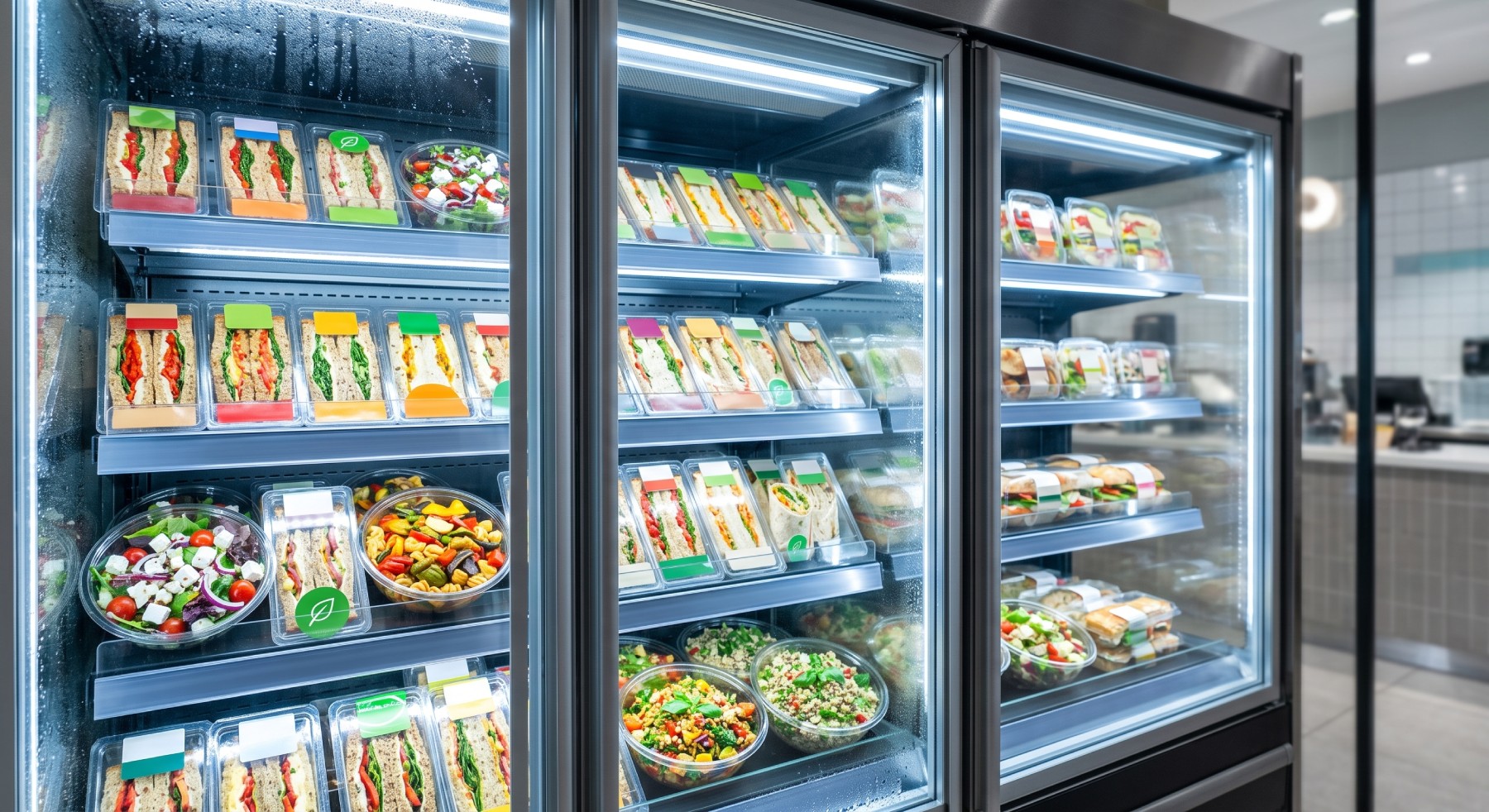
Yes, the visual impact on consumer behaviour is undeniable. Modern consumers buy with their eyes first. If a packaged sandwich or a cold bottled drink is bathed in bright, clean, daylight-balanced illumination, it looks far more appetising than a similar item sitting in a dimly lit, shadowy corner. The vibrant, printed colours of your commercial packaging and the natural tones of fresh ingredients literally pop under high-quality diodes. Therefore, intelligently upgrading the internal illumination directly influences customer psychology, effortlessly turning a standard functional cold storage unit into an active, silent salesperson on your shop floor.
Why is my multideck open fridge using so much power?
Open-fronted retail units boldly operate without a physical glass barrier between the chilled air and the ambient room temperature. They rely entirely on an invisible curtain of air blown smoothly from the top canopy down to the base grill. If this fragile air curtain is violently disrupted by strong draughts from a front entrance door or an overhead air conditioning vent, the heavy cold air immediately spills out into the shopping aisle. You must ensure the air curtain remains physically undisturbed at all times. Moreover, firmly drawing down the fitted night blinds outside of your active trading hours significantly cuts overnight power usage. If you are constantly struggling with exceptionally high bills, transitioning to closed-door units like upright freezers might prove to be a much more sustainable long-term financial strategy.
Does a full fridge cost less to run than an empty one?
It initially seems counterintuitive, but a well-stocked cabinet actually retains its internal cold much better than a completely empty one. The dense solid mass of the stored food and beverages actively absorbs the thermal energy and securely holds the cold temperature. When the door swings open, far less cold air physically escapes simply because the physical items take up the volumetric space. An empty cabinet only holds loose cold air, which spills out onto the floor immediately upon opening. So, keeping your heavy-duty storage freezers and upright storage fridges reasonably full effectively stabilizes the internal climate and drastically reduces the frequency of the mechanical compressor cycling on and off.

Empowering Your Business with Efficient Refrigeration
Navigating the financial pressures of the modern hospitality sector is notoriously challenging, yet taking firm control of your daily utility consumption provides immense relief. When you actively implement the strategies of reducing fridge running costs, you stop throwing away hard-earned revenue. Whether you are rigorously brushing down dusty coils, training your weekend staff on swift door closures, or investing in brilliant modern illumination, every small action compounds into massive annual savings. Your hardware works tirelessly for your business; it is time you ensured it operates at peak mechanical efficiency.
We, at Display-Fridge Wholesale provide superior commercial fridge equipment to hospitality markets all over the United Kingdom. We supply commercial refrigerators and freezers to businesses throughout England at a wholesale price. Purchase an affordable commercial fridge now! Whether you are looking to quickly upgrade your ageing under counter freezers or completely refit a brand-new commercial kitchen space, we have the premium stock and the technical expertise to help you succeed. Embrace these efficient practices today, and watch your monthly overheads shrink while your profit margins grow.