
 0 items –
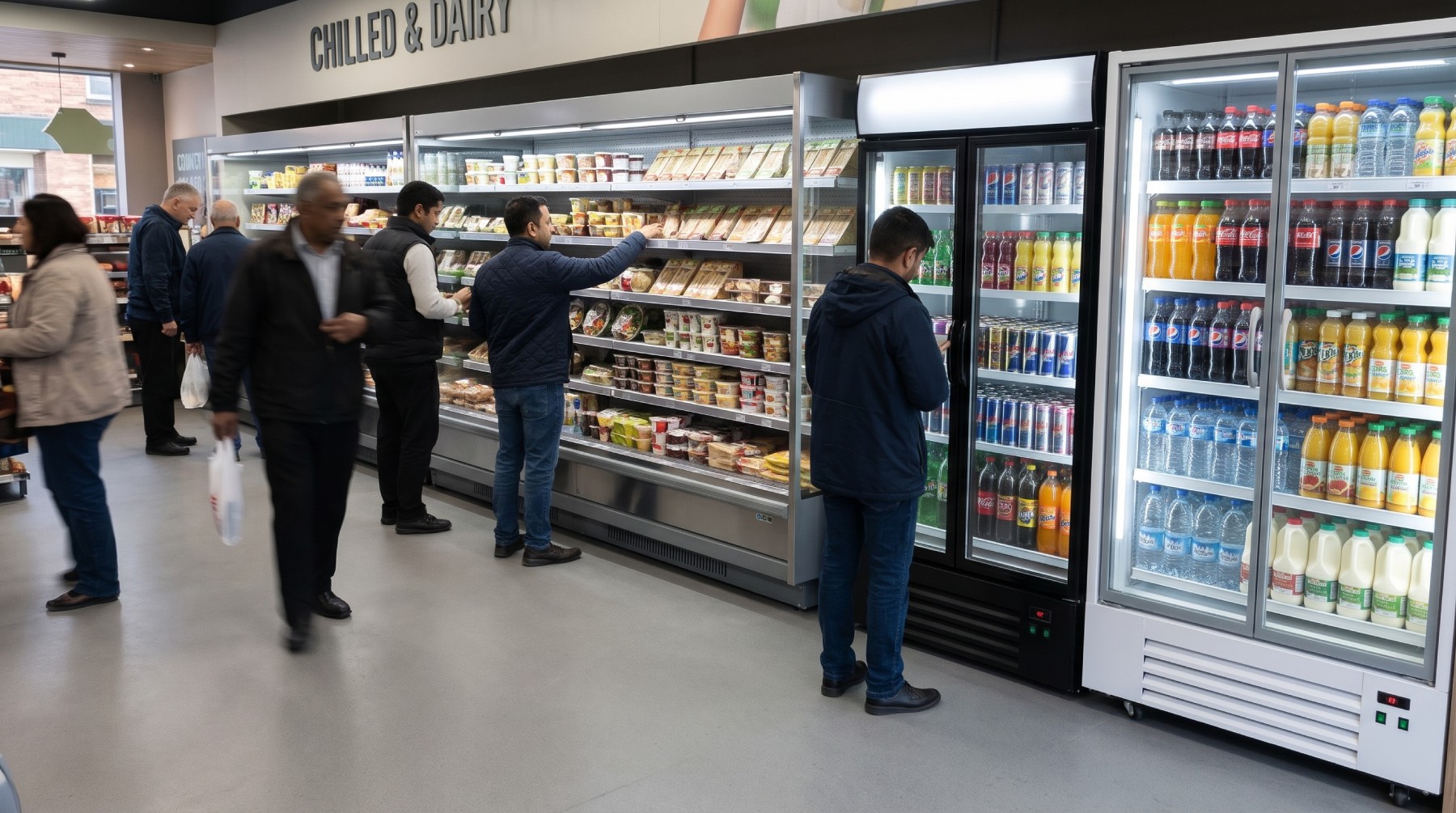
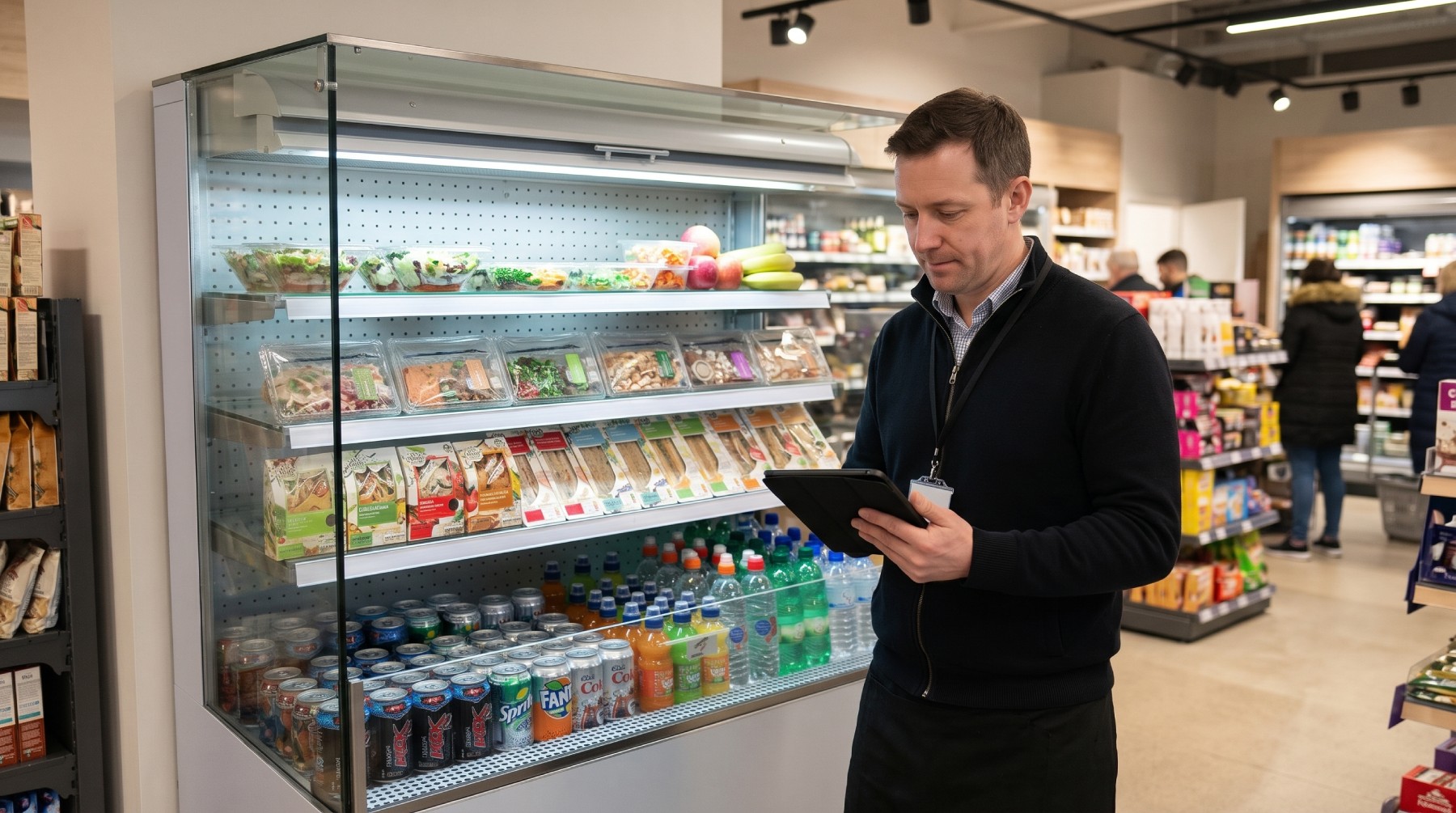
Display fridges influence customer buying behaviour in more ways than most shop owners realise. A display fridge is not just somewhere cold to keep stock. It is a salesperson that works every hour you are open, deciding which products customers notice, how fresh they look and how easy they are to pick up. Move the same fridge a few metres, change what sits at eye level or fix one flickering light, and you can change what people buy.
This guide looks at the psychology behind chilled displays: where to place your fridges, how shelf position affects choice, why open fronts and glass doors change behaviour, the signals that build or break trust, and how to test changes properly. If you are planning the layout of a new shop, our guide on how to arrange commercial fridges in your shop is a useful companion.
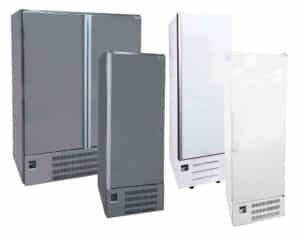


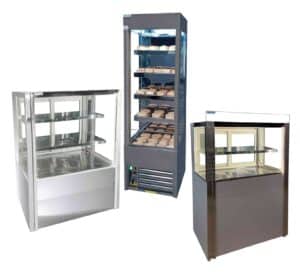

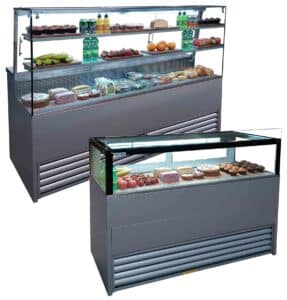

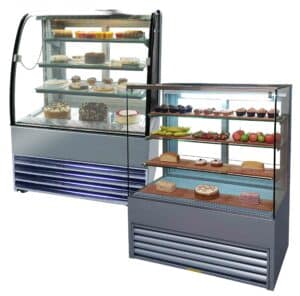
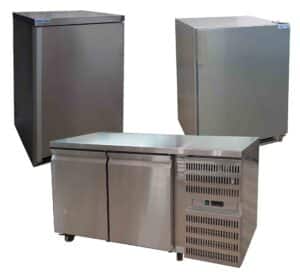
👉 SHOP OUR COMMERCIAL FREEZERS



💡 Key Takeaways
- Chilled food and drinks are often bought on impulse, so visibility and ease of access drive sales.
- Place fridges where customers already walk and next to products that go with them, such as sandwiches beside drinks and snacks.
- Eye level is buy level: give your best-selling and highest-margin products the shelves between chest and eye height.
- Clean glass, even lighting and full, tidy shelves tell customers the food is fresh; gaps and dirt do the opposite.
- Change one thing at a time and measure the result, so you know which change made the difference.
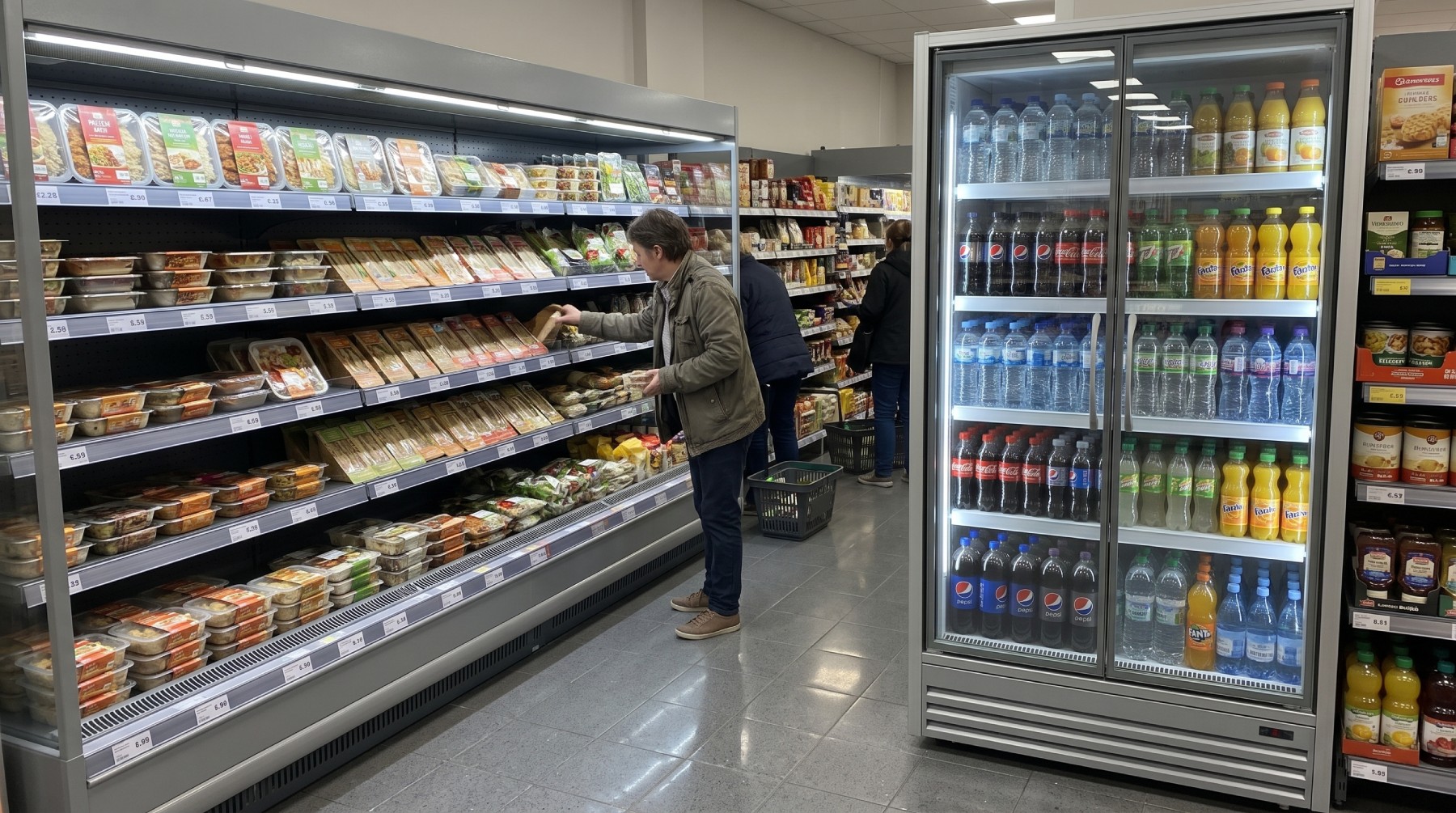
Why the Display Fridge Is a Sales Tool, Not Just Storage
Many chilled products are bought for immediate consumption: a cold drink on a warm afternoon, a sandwich at lunchtime, a slice of cake with a coffee. These are often unplanned purchases. The customer did not walk in with them on a list; they saw them, wanted them and picked them up.
That makes visibility and ease of access the most important factors in chilled sales. A product that customers cannot see, or cannot reach without effort, simply does not get bought. A well-placed, well-lit and well-stocked display fridge turns passing interest into a sale many times a day.
It also explains why the fridge itself matters. The type of cabinet, its height, its lighting and whether it has doors all affect how customers interact with it. Choosing the right commercial fridge for each part of the shop is a sales decision as much as a technical one. Our older article on the top fridges for a convenience store shows how the right mix of cabinets supports a busy shop.
Placement in the Store: Where Fridges Sell Most
Where you place a display fridge decides how many customers see it. A few principles apply to most shops, cafés and food-to-go outlets.
- Follow the customer’s path. Put fridges along the route customers naturally take, not tucked away in a corner. Everyday essentials such as milk are often placed towards the back, so customers walk past other products on the way.
- Give the entrance some space. Customers need a few steps to adjust when they come in, so a fridge right inside the door is easily missed. A little further in, where they slow down and look around, works better.
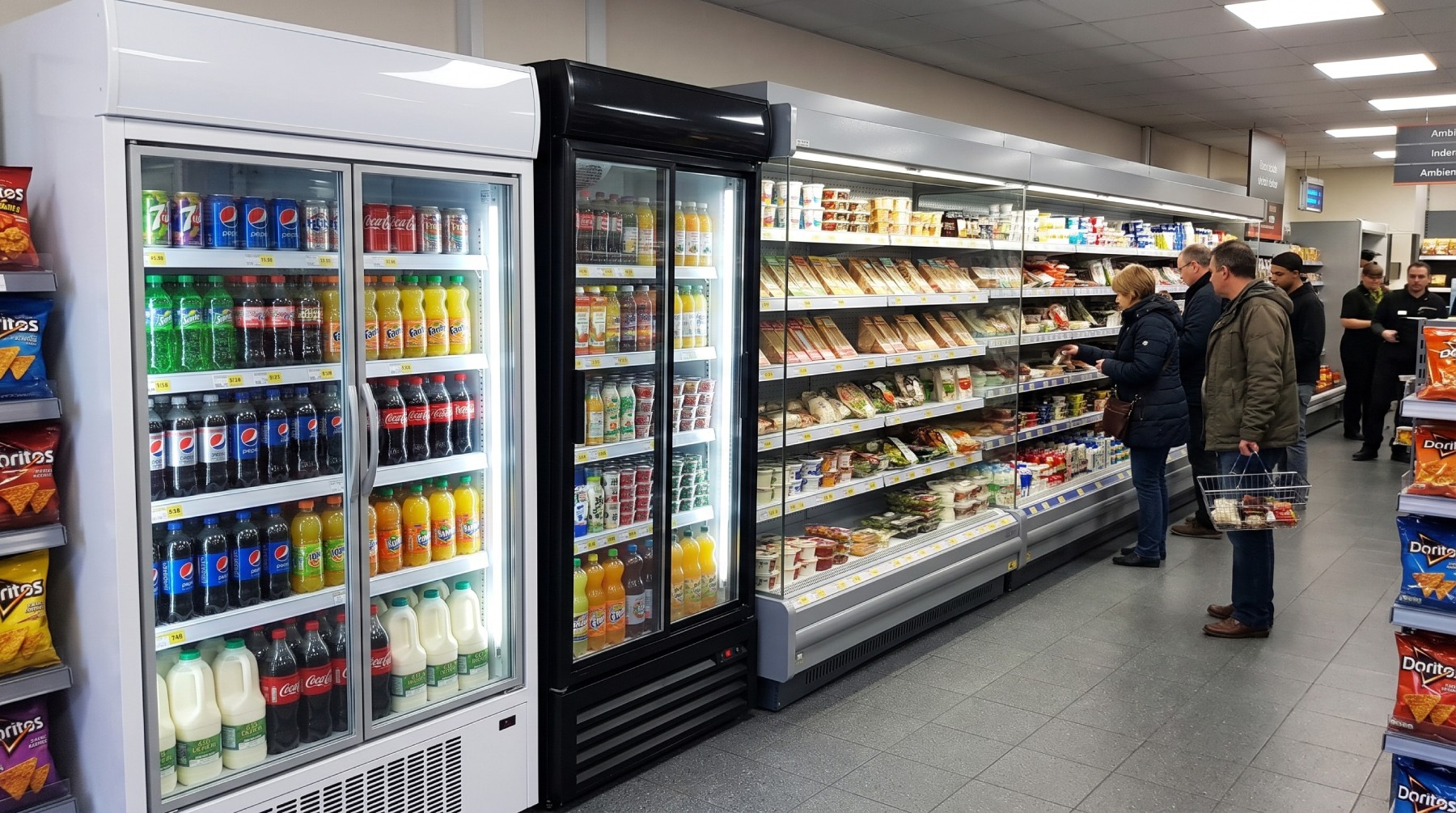
- Group products that go together. Sandwiches next to drinks and crisps make it easy to build a meal deal. A grab and go fridge beside the coffee counter encourages a snack with every drink.
- Use the till. A countertop display fridge at the till catches customers while they wait, which suits small, high-margin items such as cold drinks and desserts.
- Be seen from outside. A brightly lit drinks fridge visible through the window tells passers-by that you sell cold drinks.
Practical limits apply too. Fridges need ventilation space, a suitable power supply and a room no warmer than 25°C, and they should be kept away from direct sunlight and heaters, which make them work harder. Always plan placement with both sales and performance in mind.

Eye Level Is Buy Level: Shelf Psychology
Inside the fridge, shelf position has a strong effect on what customers choose. Retailers often describe the shelves in four zones:
| Zone | Height (approx.) | What to put there |
|---|---|---|
| Stretch level | Above eye level | Lighter, well-known products that customers look for anyway |
| Eye level | About 1.2–1.6 m | Best sellers, high-margin lines and new products |
| Reach level | Waist to chest height | Everyday favourites and multi-packs |
| Stoop level | Near the floor | Heavy items, bulk packs and products for children at their eye level |
Products at eye level are seen first and chosen most often, so that space is your most valuable shelf. Give it to the products that earn you the most.
A few more principles help:
- Face products forward with labels towards the customer, and pull stock to the front edge so the shelf looks full.
- Block by type or brand. Vertical blocks of the same product are easier to scan than scattered single items.
- Give more facings to best sellers. Wider blocks are noticed more and run out less often.
- Keep heavy bottles low for safety and stability.
For drinks, our detailed guide on how to organise the drinks in the fridge for maximum impact applies these ideas shelf by shelf.
Glass Doors, Open Fronts and the Psychology of Access
The front of the fridge changes how customers behave. Every barrier between the customer and the product, even a door, adds a tiny moment of hesitation.
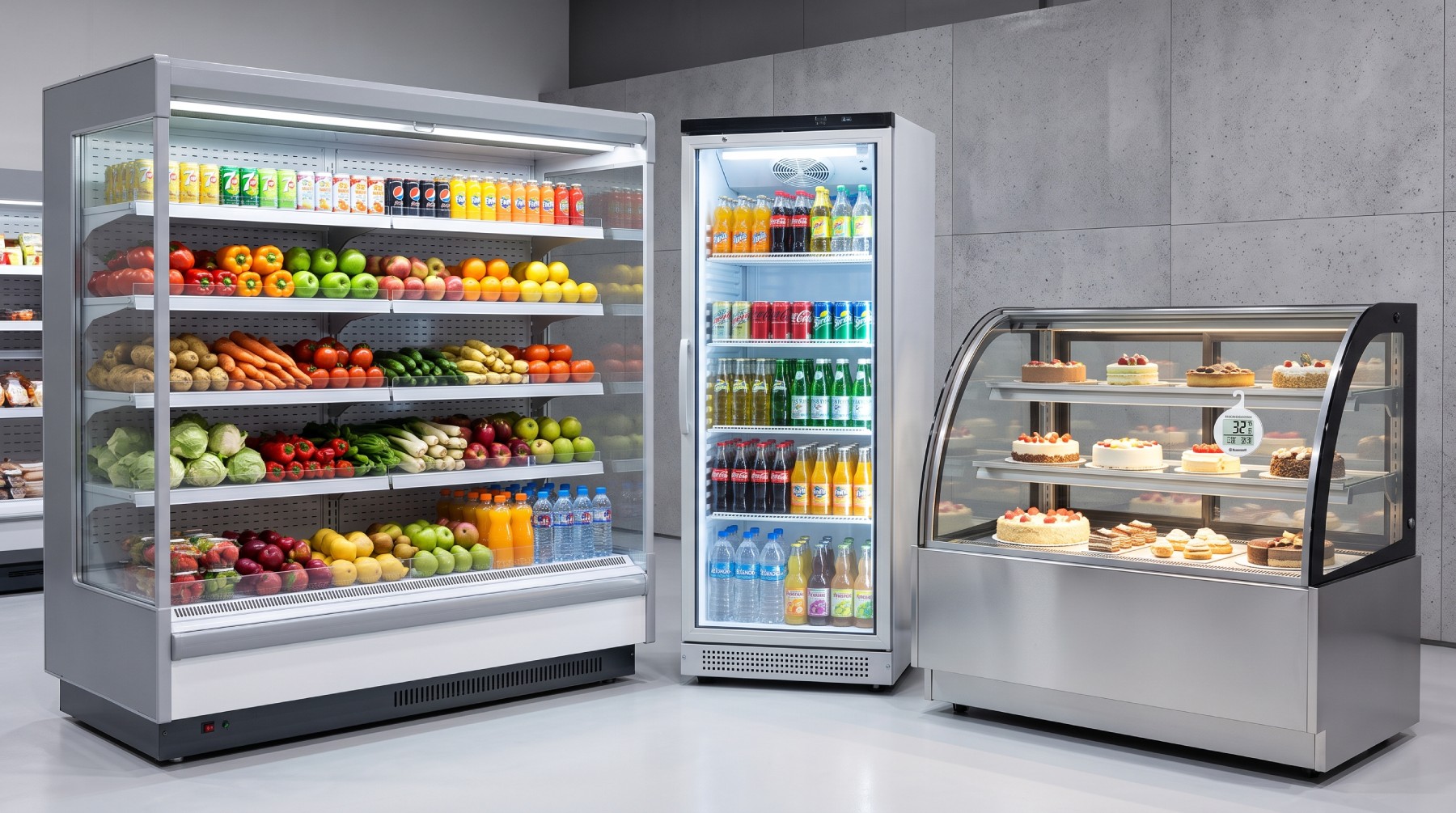
Open-fronted multidecks remove that barrier. Customers can see everything and pick up a product in one movement, which suits fast, high-volume food-to-go and convenience retail. The trade-off is higher energy use, because cold air spills out of the open front. Our multideck display fridges, including models with a lockable shutter for when the shop is closed, are designed for exactly this kind of busy, self-service selling.
Glass door fridges keep the cold in and use less energy, while still showing every product clearly. They suit drinks, dairy and products that customers choose with a little more thought. Clear glass, good lighting and doors that open easily keep the extra step as small as possible. See our glass door drinks fridges.
Serve-over counters work differently again: staff serve the customer, which suits products that are weighed, sliced or explained, such as deli meats, cheeses and cakes. Here the display has to sell the product on looks alone until the customer speaks to staff.
Choosing between them depends on your products, your customers and your energy budget. We compare the options in detail in open-air merchandisers vs glass door fridges, and our article on the science behind glass doors explains how glass doors keep the cold in.

Light, Colour and Cleanliness: The Signals Shoppers Read
Customers judge food mostly by what they see. Before they touch a product, they have already read a series of signals from the display, and those signals tell them whether the food is fresh and safe.
Lighting. Bright, even light draws attention and shows food in its true colours. Dim corners, flickering tubes and mismatched lights make food look tired. Our guide to the importance of lighting in commercial fridges covers the details.
Clean glass and surfaces. Fingerprints, smears and spills on glass doors or shelves suggest poor hygiene, and customers extend that judgement to the food. Clean glass every day and the shelves every week.
Full, tidy shelves. A well-stocked fridge suggests that products are popular and fresh. Gaps, toppled bottles and products pushed to the back suggest the opposite. Restock and tidy before your busy periods, not after.
Temperature you can trust. Food must be properly chilled. A fridge that is overloaded, with blocked air vents, cannot hold temperature, and warm drinks or soft sandwiches lose customers quickly. Our article on the role of commercial fridges in food safety and compliance explains the rules.
Choice, Price and Promotions Inside the Fridge
What you put in the fridge, and how you price it, shapes decisions as much as the fridge itself.
Too much choice can slow people down. In a well-known study by psychologists Sheena Iyengar and Mark Lepper, shoppers who saw a display of 24 jams were far less likely to buy than those who saw just six. Later research shows the effect varies, but the lesson for a busy chilled display is practical: a focused range of popular products, clearly arranged, is easier to choose from than a crowded shelf of near-identical options.
Price comparisons guide choice. Placing a premium product beside a standard one makes the standard product look like good value, and makes the premium one look special. Clear, easy-to-read prices on the shelf edge remove a reason to hesitate, and in the UK consumer goods must show their selling price clearly.
Bundles and meal deals. Grouping a sandwich, snack and drink together, with one clear price, turns a single purchase into three. Keep the components of the deal next to each other so customers do not have to search.
Seasonal and weather-led changes. On hot days, give extra space to cold drinks and ice cream; in winter, push hot food and comfort lines. A heated display cabinet beside a chilled display lets you offer both.
Measuring What Works: Testing Your Fridge Layout
Every shop is different, so the best layout for your customers is the one your own sales data supports. Treat changes to your fridges like small experiments.
- Record a baseline. Note the weekly sales of the products in the fridge before you change anything.
- Change one thing at a time. Move a product to eye level, add a second facing or put a fridge in a new position, but not all at once.
- Compare like with like. Compare the same days of the week and allow for weather, holidays and promotions.
- Give it time. Run each change for at least two weeks before you judge it.
- Keep what works. Keep changes that raise sales or margin, and undo those that do not.
Your staff are part of the system too. Regular restocking, stock rotation (first in, first out) and quick cleaning routines keep a good layout working day after day. Our free commercial fridge storage guide sets out where different foods should go inside a fridge, and our article on daily, weekly and monthly fridge checks turns those routines into a simple plan.
Frequently Asked Questions
How do display fridges influence customer buying behaviour?
Display fridges decide which chilled products customers notice, how fresh those products look and how easy they are to pick up. Good placement, eye-level shelving, bright even lighting and clean, full shelves all make customers more likely to buy, especially on impulse.
Where should I place a display fridge in my shop?
Place display fridges along the route customers naturally take, a few steps inside the entrance rather than right by the door, and next to products that go with them. A small countertop fridge at the till works well for impulse buys. Keep fridges away from heaters and direct sunlight, with enough ventilation space.
What should go at eye level in a display fridge?
Put your best-selling and highest-margin products at eye level, roughly 1.2 to 1.6 metres from the floor, because shoppers see and choose those shelves first. Use the lower shelves for heavy bottles and bulk packs.
Do open-fronted display fridges sell more than glass door fridges?
Open-fronted multidecks make products easier to grab, which suits fast, high-volume food-to-go and convenience retail. Glass door display fridges use less energy and still show products clearly. The best choice depends on your products, footfall and energy budget.
How does lighting in display fridges affect buying behaviour?
Bright, even lighting draws attention to the display and shows food in its natural colours, so it looks fresh and appetising. Dim, uneven or flickering lights make products look older and can put customers off.
How can I tell if a new display fridge layout is working?
Record sales before the change, change one thing at a time, then compare the same days of the week for at least two weeks. Keep changes that increase sales or margin and undo those that do not.
Turn Your Display Fridges into Your Best Salespeople
Display fridges shape buying behaviour through placement, shelf position, access, lighting, cleanliness and the choices you put in front of customers. None of these changes needs a large budget, but together they can make a real difference to what you sell every day.
The right display starts with the right cabinet. Display-Fridge Wholesale supplies commercial fridges and commercial freezers by Frost-Tech to shops, cafés, pubs, restaurants and hotels across the United Kingdom at wholesale prices, from our base in Buckingham. Choose from multideck open fridges, glass door drinks fridges, grab and go fridges, patisserie displays, deli and serve over counters, countertop display fridges and heated display cabinets, as well as glass door display freezers and chest display freezers for frozen lines.
Read more about choosing equipment in our guide to the best commercial drinks refrigerators for UK businesses, explore our free resources, or call us on 01280 852139 and we will help you choose the right fridges for your shop.
👉 SHOP OUR COMMERCIAL FREEZERS