
 0 items –

Discover how the physics of display refrigeration transforms commercial efficiency and product presentation. Explore the thermodynamics of commercial fridges to master retail cooling science.
When you consider commercial refrigeration, the glass door might seem like a simple barrier. Still, it is a marvel of modern engineering where the laws of physics intersect with retail strategy. The physics of display refrigeration ensures your products remain perfectly chilled while simultaneously enticing customers. At Display-Fridge Wholesale, we understand that mastering the thermodynamics of commercial fridges is crucial for any business operating in the UK hospitality or retail sector. This article will break down how retail cooling science ensures both unparalleled commercial refrigeration efficiency and flawless product presentation chillers.
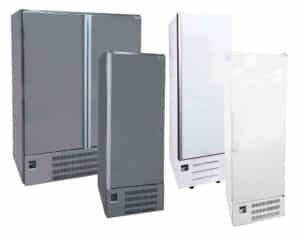


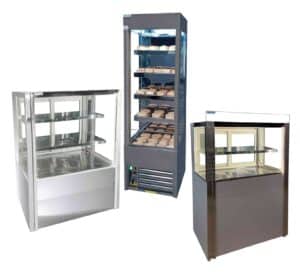

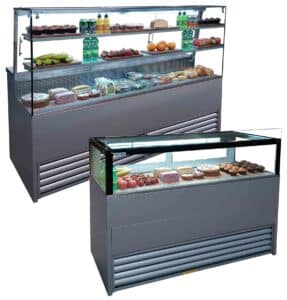

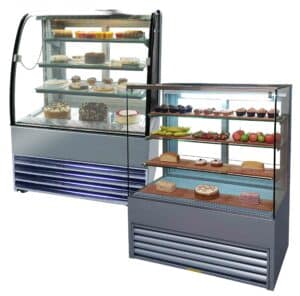
👉 SHOP OUR COMMERCIAL FREEZERS



💡 Key Takeaways:
- Thermodynamics in Action: Understand how your fridge moves heat, rather than creating cold.
- The Power of Low-E Glass: Discover how specialised coatings reflect infrared heat, drastically reducing energy consumption.
- Condensation Control: Learn the science behind anti-sweat heaters and double-glazing to maintain perfect product visibility.
- Airflow is Everything: See why proper stock placement prevents thermal dead zones and compressor failure.
- Natural Refrigerants: Explore how modern hydrocarbon gases offer superior cooling capacity and environmental benefits.

The Thermodynamics of Heat Exchange
To truly grasp how your equipment functions, we must start with the fundamental laws of thermodynamics. Refrigeration does not ‘create cold’; rather, it meticulously extracts and relocates heat. Your appliance is a sophisticated heat transporter, working continuously against nature’s tendency to equalise temperatures.
Heat naturally flows from a warmer environment to a cooler one. To reverse this natural flow and maintain a chilly interior amidst a warm commercial kitchen or bustling shop floor, the system requires energy. The vapour-compression cycle is the heart of this process. It utilises a chemical refrigerant that constantly changes state from a liquid to a gas and back again. As the refrigerant evaporates inside the cabinet, it absorbs immense thermal energy (latent heat) from the surrounding air and your products. The compressor then pressurises this warm gas, pushing it to the condenser coils outside the unit, where it releases the absorbed heat into the ambient room air.
Understanding this cycle highlights why proper ventilation around your units is non-negotiable. If the condenser cannot expel heat effectively, the entire thermodynamic process stalls, forcing the compressor to overwork, which inevitably leads to high energy bills and premature mechanical failure.

The Physics of The Glass Barrier
The glass door of a display fridge is the frontline battleground between the chilled interior and the warm exterior. Single-pane glass offers very little resistance to thermal transfer. If you used standard glass, the heat from the room would rapidly penetrate the cabinet, ruining your commercial refrigeration efficiency.
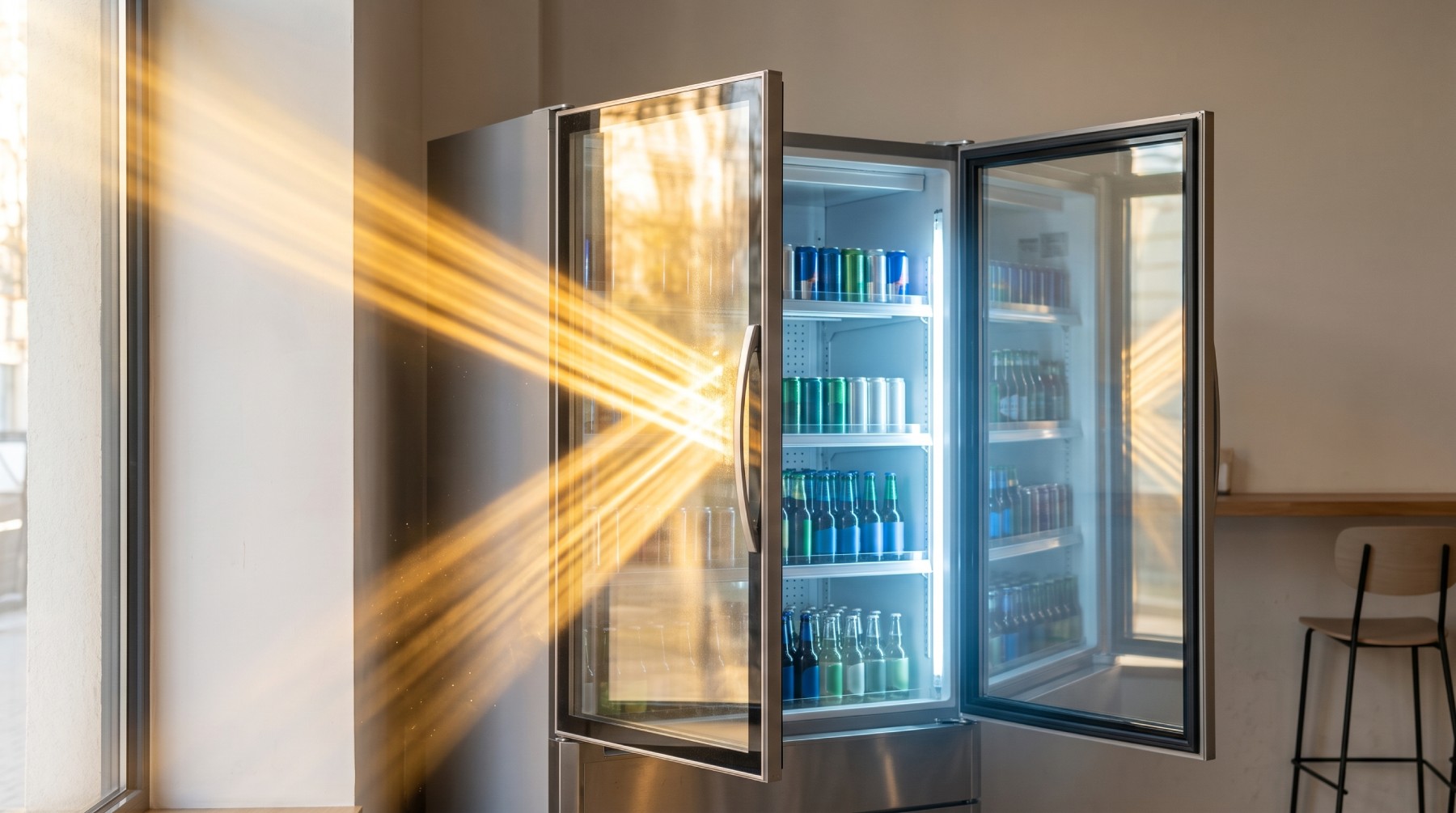
Modern product presentation chillers utilise double or even triple-glazed panels. Between these panes is a sealed cavity, typically filled with an inert gas like Argon. Because Argon is denser than normal air, it drastically slows the conductive transfer of heat. This microscopic barrier acts as a powerful insulator. However, the science goes even deeper. The most efficient units employ Low-Emissivity (Low-E) coatings. This microscopically thin layer of metallic oxide is applied directly to the glass.
Think of Low-E glass like a thermal mirror. It allows visible light to pass through seamlessly, ensuring your products look vibrant and appealing. Contrarily, it reflects infrared heat waves back into the room. So, the radiant heat from your shop’s lighting or sunlight is bounced away before it can warm the interior. This specific application of retail cooling science ensures the compressor runs less frequently, saving significant electricity whilst maintaining stable temperatures for food safety.
Mastering Condensation and Visibility
One of the most immediate challenges in the physics of display refrigeration is managing condensation. When the warm, moisture-laden air of your shop meets the freezing surface of a standard glass door, the air rapidly cools below its dew point. The moisture condenses into water droplets, instantly fogging the glass and obscuring your products.
To combat this, manufacturers integrate Anti-Sweat Heaters (ASHs). These are often incredibly fine, transparent, electrically conductive wires embedded within the glass itself, or strategically placed around the door frame. They gently warm the outer surface of the glass just enough to keep it above the ambient dew point, preventing fog from forming.
- Precision Control: Advanced digital controllers monitor ambient humidity and only activate the ASH when necessary, preventing wasted energy.
- Clear Views: Unobscured glass ensures customers can browse without opening the door, significantly reducing heat ingress.
- Impulse Sales: Perfect visibility is directly linked to increased impulse purchases in retail environments.
- Hygienic Presentation: Preventing moisture buildup stops water from pooling, which can encourage mould growth around seals.

Airflow Dynamics and Thermal Dead Zones
Even with the most advanced glass technology, the interior cooling relies entirely on proper fluid dynamics. Cold air behaves much like water; it is heavy, dense, and follows the path of least resistance.
The Danger of Blockages
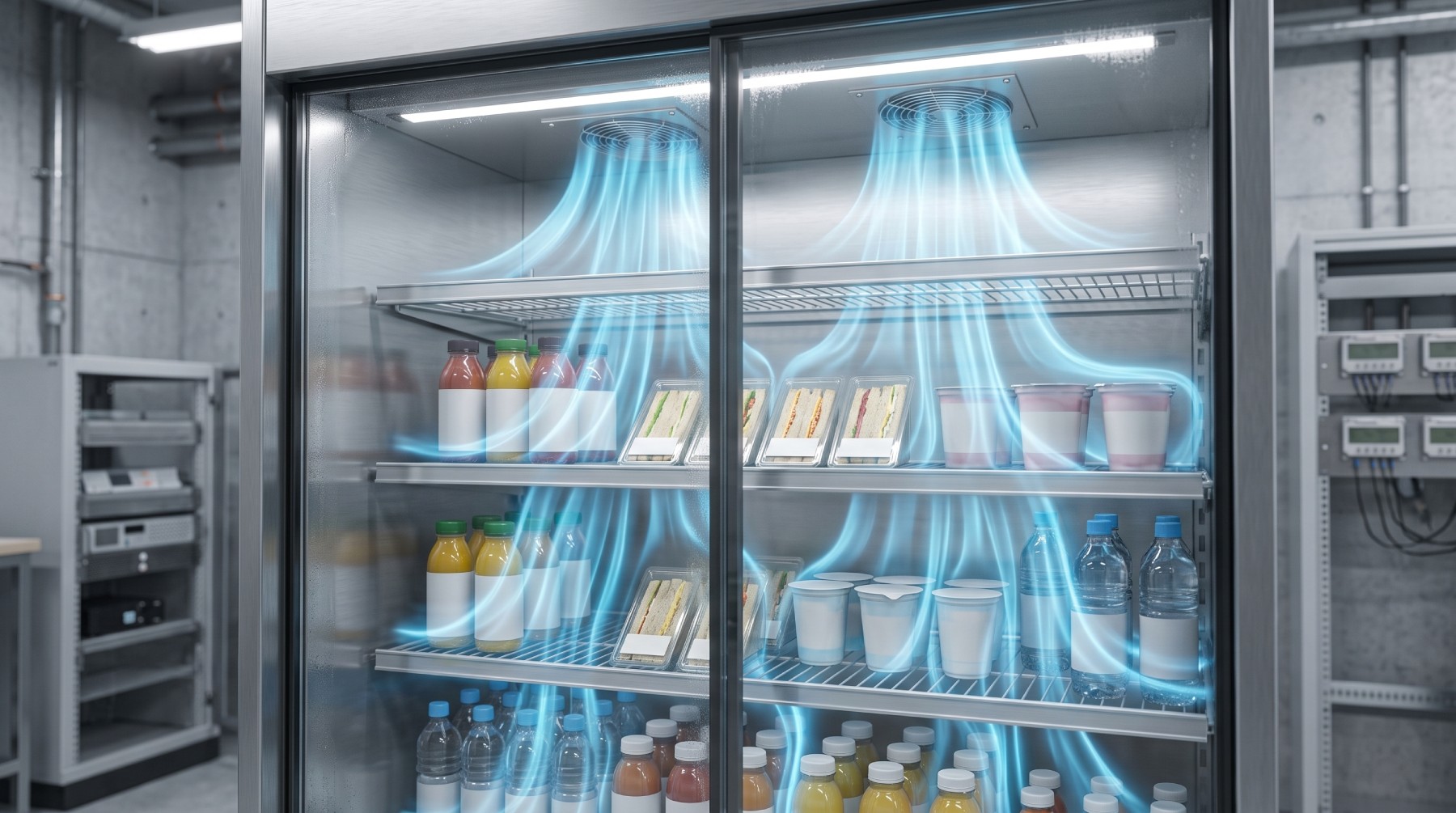
Inside your cabinet, fans continuously push chilled air to create a convection loop. If you push stock tight against the back wall or overload the bottom shelf, you create a physical dam. The cold air cannot circulate, and warm air becomes trapped, creating dangerous hot zones where bacteria can thrive.
Strategic Stocking
To maximise your commercial refrigeration efficiency, you must leave adequate gaps between products and the interior walls. This allows the cold air to wrap around every item, extracting heat evenly. Implementing the First-In, First-Out (FIFO) method alongside proper spacing ensures the thermodynamics of commercial fridges work for you, not against you.
Digital Oversight
Modern units pair these mechanical principles with smart digital sensors. Microprocessors constantly monitor internal thermistors, adjusting cooling cycles based on minor temperature fluctuations caused by door openings, rather than relying on blunt, timer-based thermostats.
The Shift to Natural Refrigerants
The chemical coursing through the copper veins of your refrigerator dictates how hard the mechanical components must work. For decades, the industry relied on synthetic hydrofluorocarbons (HFCs). Yet, as the focus on commercial refrigeration efficiency intensified, the physics of these older gases proved inadequate.
Today, the standard is natural hydrocarbon refrigerants, primarily R290 (propane). The thermodynamic properties of R290 are vastly superior to legacy chemicals. It possesses a significantly higher latent heat of vaporisation, meaning a much smaller volume of gas can absorb and transport a massive amount of heat energy. Because R290 boils and condenses so easily, the compressor requires far less electrical power to force the phase changes.
Furthermore, this rapid heat exchange means your product presentation chillers pull down to safe temperatures much faster after restocking or frequent door openings. This protects the compressor from overheating and extends the lifespan of the equipment.

Frequently Asked Questions
How does Low-E glass improve efficiency?
Low-E glass features a microscopic metallic coating that reflects infrared heat away from the fridge while allowing visible light to pass through. This stops external warmth from penetrating the cabinet, reducing the cooling load on the compressor.
Why does condensation form on display fridges?
Condensation occurs when warm, humid room air contacts a glass surface that is colder than the air’s dew point. The moisture in the air cools rapidly and turns into water droplets on the glass.
What is the vapour-compression cycle?
It is the fundamental thermodynamic process used in refrigeration. A chemical refrigerant continuously changes from a liquid to a gas (absorbing heat from inside the fridge) and back to a liquid (releasing that heat outside the fridge).
Why is interior airflow so important?
Cold air must circulate freely to absorb heat from the products. Blocking airflow with overloaded shelves creates thermal dead zones where food can reach unsafe temperatures, even if the thermostat reads correctly.
What makes R290 refrigerant better than older gases?
R290 is a natural hydrocarbon with superior thermodynamic properties. It absorbs and releases heat much more efficiently than older synthetic gases, meaning the compressor uses significantly less electricity to achieve the same cooling effect.
Do anti-sweat heaters waste electricity?
While they do use power, modern units often link ASHs to digital humidity sensors. They only activate when the ambient conditions dictate, preventing constant, unnecessary energy usage while keeping the glass clear.
Elevate Your Retail Space Today
The sophisticated physics of display refrigeration operates silently behind the scenes, ensuring your produce remains safe, appealing, and profitable. By understanding the intricate balance of heat exchange, advanced glazing, and fluid dynamics, you can make informed decisions that drastically reduce your operational costs.
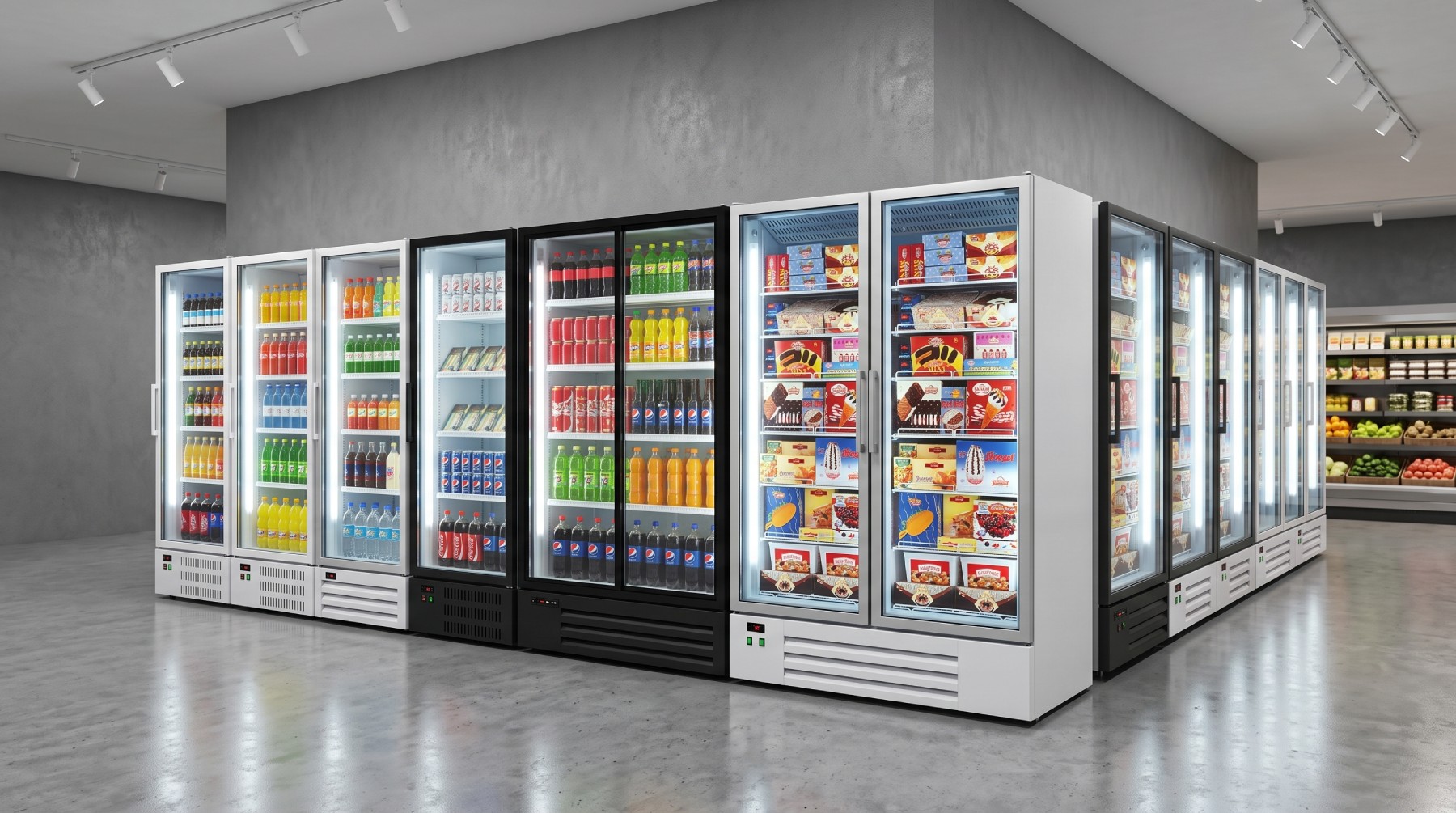
At Display-Fridge UK, we leverage this retail cooling science to provide superior commercial fridge equipment to hospitality markets all over the United Kingdom. We supply a vast range of premium commercial refrigerators and shop freezers to businesses throughout England at highly competitive wholesale prices. Whether you are seeking high-visibility glass door refrigeration, such as drinks fridges, or energy-efficient upright glass door freezers, we have the technology to elevate your business. Purchase an affordable, high-performance commercial fridge now and experience the thermodynamic difference!
👉 SHOP OUR COMMERCIAL FREEZERS