
 0 items –
Discover how to keep your commercial refrigeration running efficiently with our expert display fridge maintenance guide for UK businesses. Running a busy hospitality venue means relying heavily on your cooling equipment to preserve stock and present it beautifully to your customers. Think of your commercial refrigeration unit as a marathon runner. If a runner never rests, drinks water, or stretches, they will eventually collapse from pure exhaustion. Your cooling equipment behaves in the exact same manner. Constant use without proper care puts immense strain on the mechanical components, leading to inevitable breakdowns and spoiled food. We understand the vital role these appliances play in your daily operations. Proper care requires a consistent approach to cleaning, temperature monitoring, and mechanical oversight. Anyway, managing these tasks does not have to be overly complicated. By breaking down the essential chores into simple, manageable steps, you can significantly extend the lifespan of your investment. Regardless of whether you manage a small cafe or a large supermarket, implementing a solid upkeep strategy saves you money on energy bills and emergency repairs. Furthermore, well-maintained units keep your food safe and your hygiene ratings spotless. Here, we will explore practical, everyday steps you can take to protect your equipment and maximise its performance on the shop floor.
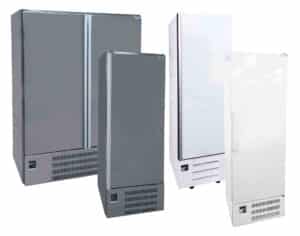


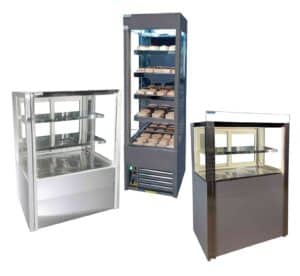

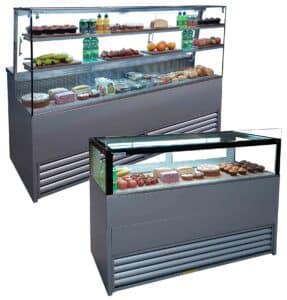

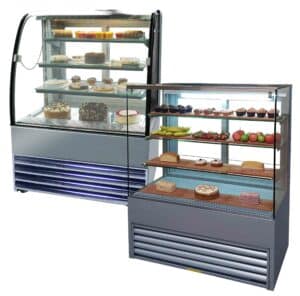
👉 SHOP OUR COMMERCIAL FREEZERS



💡 Key Takeaways
- Implement a rigorous commercial fridge cleaning routine to prevent mechanical strain.
- Perform consistent door seal checks to trap cold air and reduce energy consumption.
- Optimise refrigeration airflow management to ensure even temperature distribution.
- Schedule professional fridge servicing proactively to catch minor faults early.
- Monitor internal temperatures strictly to comply with UK food safety regulations.
- Arrange products thoughtfully to avoid overloading and blocking ventilation paths.
Establishing a Reliable Commercial Fridge Cleaning Routine
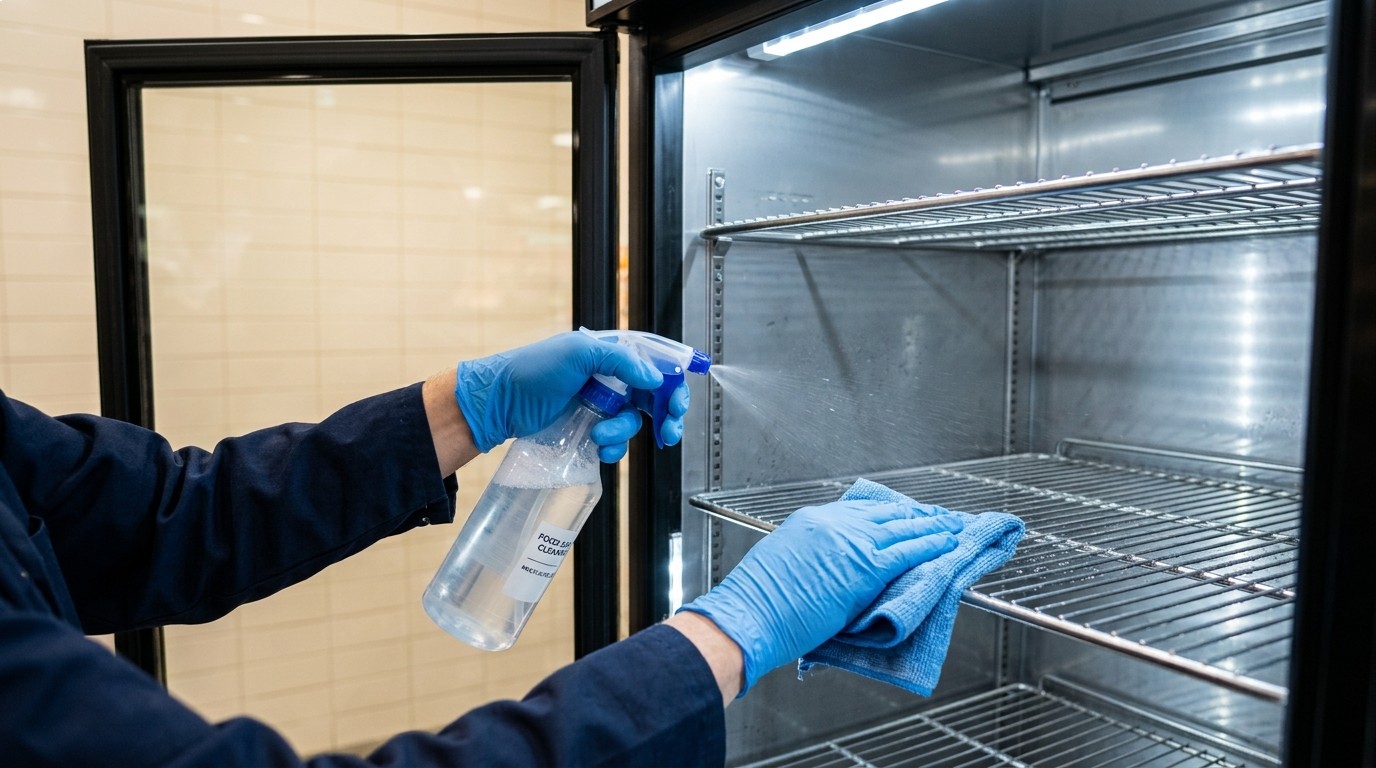
Maintaining pristine hygiene inside your cooling units goes far beyond simply wiping away sticky spills. A meticulous commercial fridge cleaning routine forms the very foundation of appliance longevity and operational safety. Think of your refrigeration system like a high-performance vehicle engine. If you allow dirt, grime, and debris to accumulate under the bonnet, the engine eventually overheats and fails. Your chiller operates on the exact same principle. Dust and grease love to gather on the condenser coils, acting just like a thick winter coat on a sweltering summer day. This unwanted insulation forces the compressor to work exponentially harder to expel heat, which inevitably leads to skyrocketing electricity bills and premature mechanical failure. So, implementing a strict schedule to sanitise both the interior and exterior surfaces is absolutely vital. We highly recommend using food-safe antibacterial solutions to thoroughly clean the shelving, interior walls, and floor panels, ensuring compliance with strict hygiene standards set out by authorities like the Food Standards Agency. Moreover, removing debris from the drainage holes prevents foul odours and internal flooding. Taking a few extra minutes each week to vacuum the condenser fins and brush away trapped lint will drastically improve the lifespan of your unit. Ultimately, a clean environment guarantees that your delicious ingredients remain fresh, your hygiene ratings remain high, and your operational costs remain low. Whether you are wiping down expansive multideck open fridges or carefully detailing small counter fridges, absolute dedication to cleanliness pays massive dividends over time.
Mastering Refrigeration Airflow Management
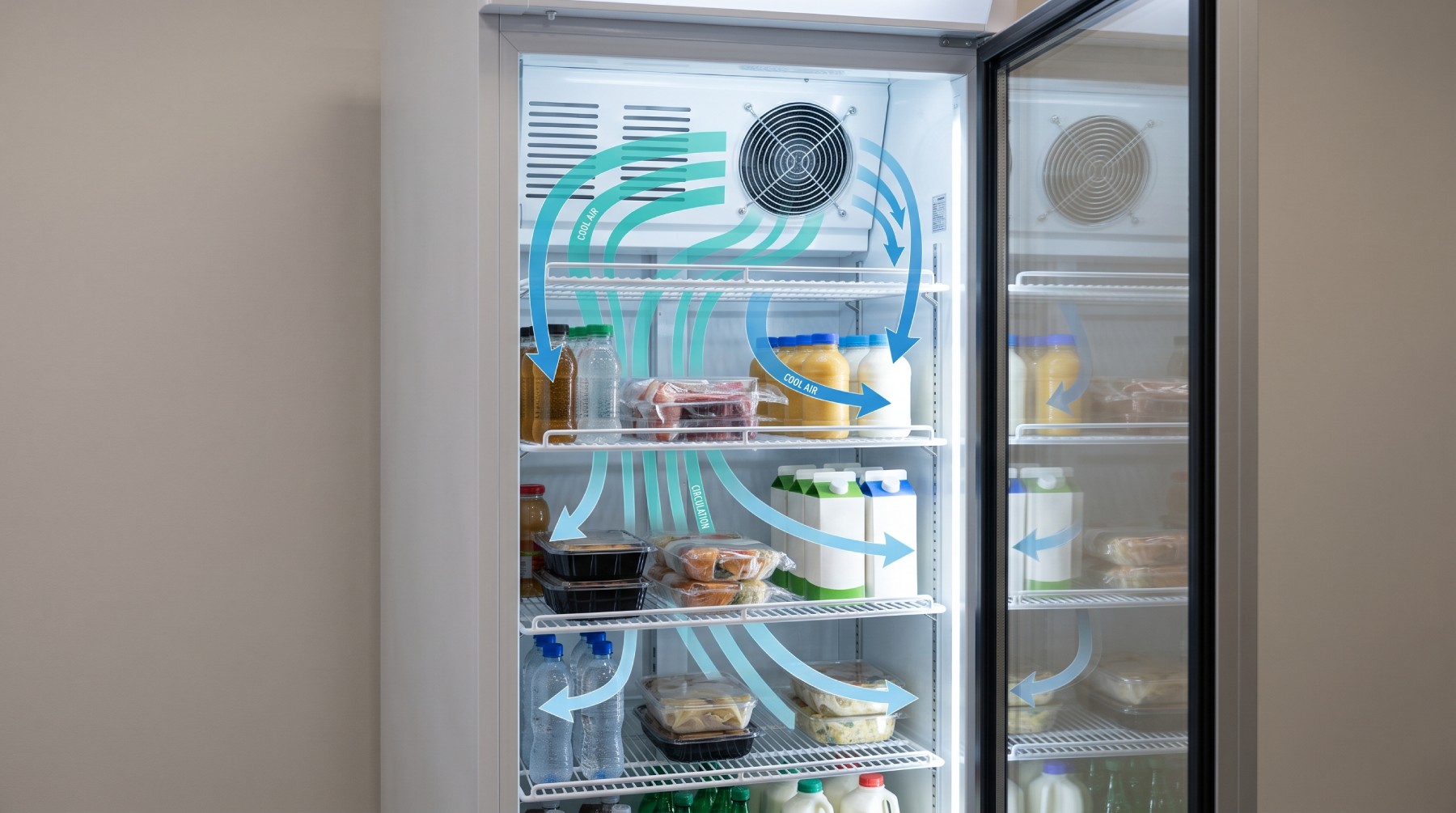
Understanding how cold air moves within your appliance is critical for consistent performance. We can compare airflow to human breathing; if you cover your mouth, you struggle to take in oxygen. Your cooling equipment faces a similar battle when its ventilation pathways become obstructed. Cold air must circulate freely to maintain a uniform temperature across all shelves. When airflow is compromised, certain areas become far too warm while other spots freeze solid. This imbalance ruins delicate food items and forces the compressor to run constantly in a desperate attempt to regulate the environment. Therefore, mastering refrigeration airflow management prevents these costly inconsistencies and keeps your stock perfectly preserved.
Internal Airflow Dynamics
The internal fans are responsible for pushing chilled air throughout the cabinet. If these fans are blocked by large boxes or tightly packed ingredients, the air simply bounces back, creating dangerous warm zones. Imagine standing in front of a desk fan on a hot day, and someone places a large piece of cardboard directly between you and the breeze. You instantly lose the cooling effect. Inside under counter fridges or upright storage fridges, blocking the internal vents produces that exact same result. The air cannot reach the items stored at the front or on the lower shelves. To prevent this, always leave a sensible gap between your products and the internal back wall. Still, many operators forget this simple rule during busy delivery days. Taking a moment to visually inspect the fan guards ensures they remain clear of plastic wrapping or stray packaging. Furthermore, keeping the internal environment organised allows the cold air to cascade smoothly from top to bottom, maintaining a flawless chilling cycle.
Stocking Strategies for Optimum Cooling
Arranging your merchandise thoughtfully directly impacts mechanical efficiency. Proper stocking strategies ensure that air flows naturally around every single item. When you fill grab & go sandwich fridges or cake fridges, you must leave adequate space between the individual packages. Think of it like walking through a crowded high street; if people are packed shoulder-to-shoulder, movement slows to a crawl. If there is space to walk, movement is swift and easy. Cold air needs those open pathways to travel effectively. So, stagger your items slightly and avoid stacking boxes right up to the ceiling of the compartment. Using wire shelves rather than solid trays also heavily promotes better downward circulation. You should always group similar items together and utilise the natural temperature zones; for instance, the bottom shelf is usually the coldest area. By actively managing how you place your goods, you actively reduce the workload on the compressor.
The Dangers of Overloading
Cramming too much product into your appliance is a guaranteed way to cause a mechanical breakdown. Overloading drinks fridges or large storage freezers chokes the system entirely. When an appliance is stuffed to the absolute brim, there is zero room for the air to circulate, meaning the unit runs continuously without ever reaching its target temperature. This constant running burns out the compressor motors incredibly fast. Regardless of how busy your establishment gets, you must resist the temptation to overstock. It is far better to keep backup stock in secondary storage fridges and replenish the front-of-house displays as needed. Overloading severely damages the structural integrity of the shelving too, leading to bent brackets and potential safety hazards. By respecting the maximum load limits of your specific models, you protect the mechanical heart of your investment and ensure your beverages and foods remain perfectly chilled.
Performing Regular Door Seal Checks
The rubber gaskets surrounding your appliance doors are the primary barrier between the cold interior and the warm kitchen environment. If these seals fail, your appliance bleeds energy rapidly. Think of a damaged gasket like leaving your front door wide open while the central heating is on; the warm air escapes, and your boiler works constantly to replace it. To prevent this monumental waste of electricity, you must incorporate door seal checks into your weekly routine.
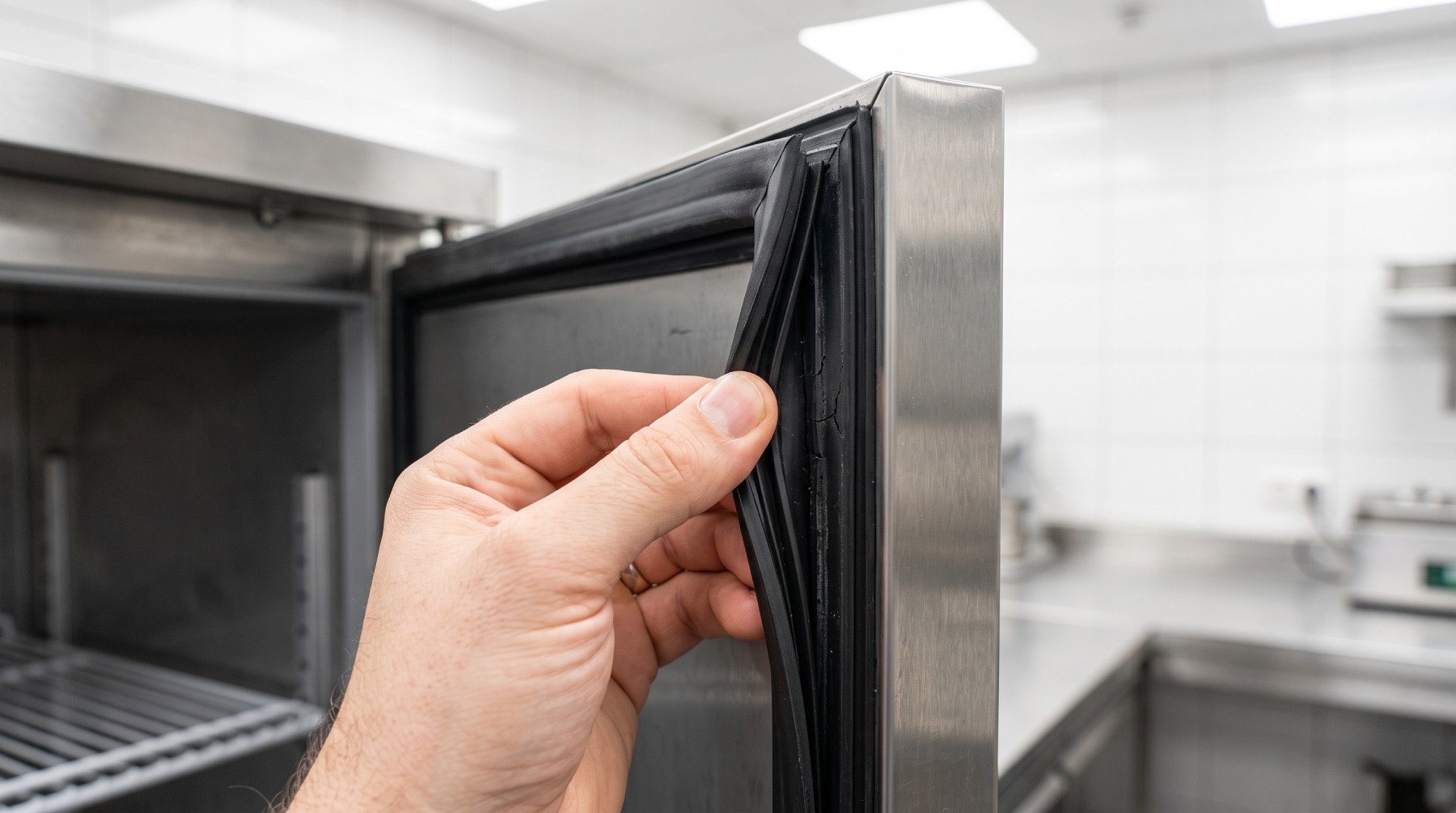
- Conduct a thorough visual inspection of the entire rubber gasket every single week. Look closely for any obvious cracks, splits, or areas where the rubber has peeled away from the metal frame. Even a tiny hairline fracture allows warm draughts to enter.
- Use the classic paper test to check the magnetic grip. Simply close the door on a crisp piece of paper and try to pull it out. If the paper slides out easily with zero resistance, the seal is weak and requires immediate attention. Test several different spots around the perimeter.
- Clean the gaskets meticulously using warm, soapy water and a soft cloth. Food debris, sticky syrups, and breadcrumbs easily become trapped in the rubber folds. This grime hardens over time and physically pushes the seal away from the frame.
- Check the outer edges of the glass for any sudden condensation build-up. If you notice constant misting or water droplets forming on the outside of upright glass door freezers, it is a massive indicator that cold air is leaking through a faulty gasket.
- Replace brittle or flattened seals immediately. Do not wait for the compressor to fail before taking action. Replacing a relatively cheap rubber gasket is significantly more affordable than paying for a brand-new compressor motor.
- Ensure your staff understand how to close doors gently. Slamming the doors of deli counters compresses the rubber violently, causing premature wear and tear. A gentle push is all that is required to engage the magnetic strip securely.
Navigating UK Temperature Controls and Energy Efficiency
Maintaining precise temperatures is a strict legal requirement for any food business operating within the UK. The Food Standards Agency mandates that cold food must be kept at 8°C or below to prevent the rapid growth of harmful bacteria. However, setting your thermostat exactly to 8°C leaves absolutely no margin for error during busy service periods. Every single time a customer opens the door to browse your selection, warm ambient air floods the cabinet. Therefore, industry experts universally recommend setting your commercial chillers to a target temperature of 5°C. This lower baseline provides a crucial safety buffer, ensuring that even with frequent door openings, your perishable goods never enter the dangerous bacterial growth zone.

Energy efficiency goes hand-in-hand with strict temperature control. According to guidance from the Carbon Trust, refrigeration can account for a massive portion of a hospitality venue’s total energy bill. Pushing your equipment to run colder than necessary wastes a tremendous amount of electricity. For frozen goods, operating your sliding glass chest freezers or upright restaurant freezers at a steady -18°C is perfectly sufficient for long-term preservation. Dropping the thermostat down to -24°C does not make the food any safer; it simply drains your bank account. Furthermore, where you position your equipment drastically impacts its efficiency. Placing a cooling unit directly next to a roaring oven or a sunlit window forces it to fight the external heat constantly.
To achieve ultimate efficiency, you must monitor the ambient environment just as closely as the internal cabinet. Make sure there is adequate breathing room around the exterior vents of your appliances. If you push a unit flush against a solid brick wall, the hot air expelled by the condenser gets trapped, creating a dangerous microclimate that suffocates the machinery. By maintaining the correct thermostat settings, ensuring proper external ventilation, and keeping your units away from aggressive heat sources, you strike the perfect balance between exceptional food safety and low running costs.
Recognising When to Schedule Professional Fridge Servicing
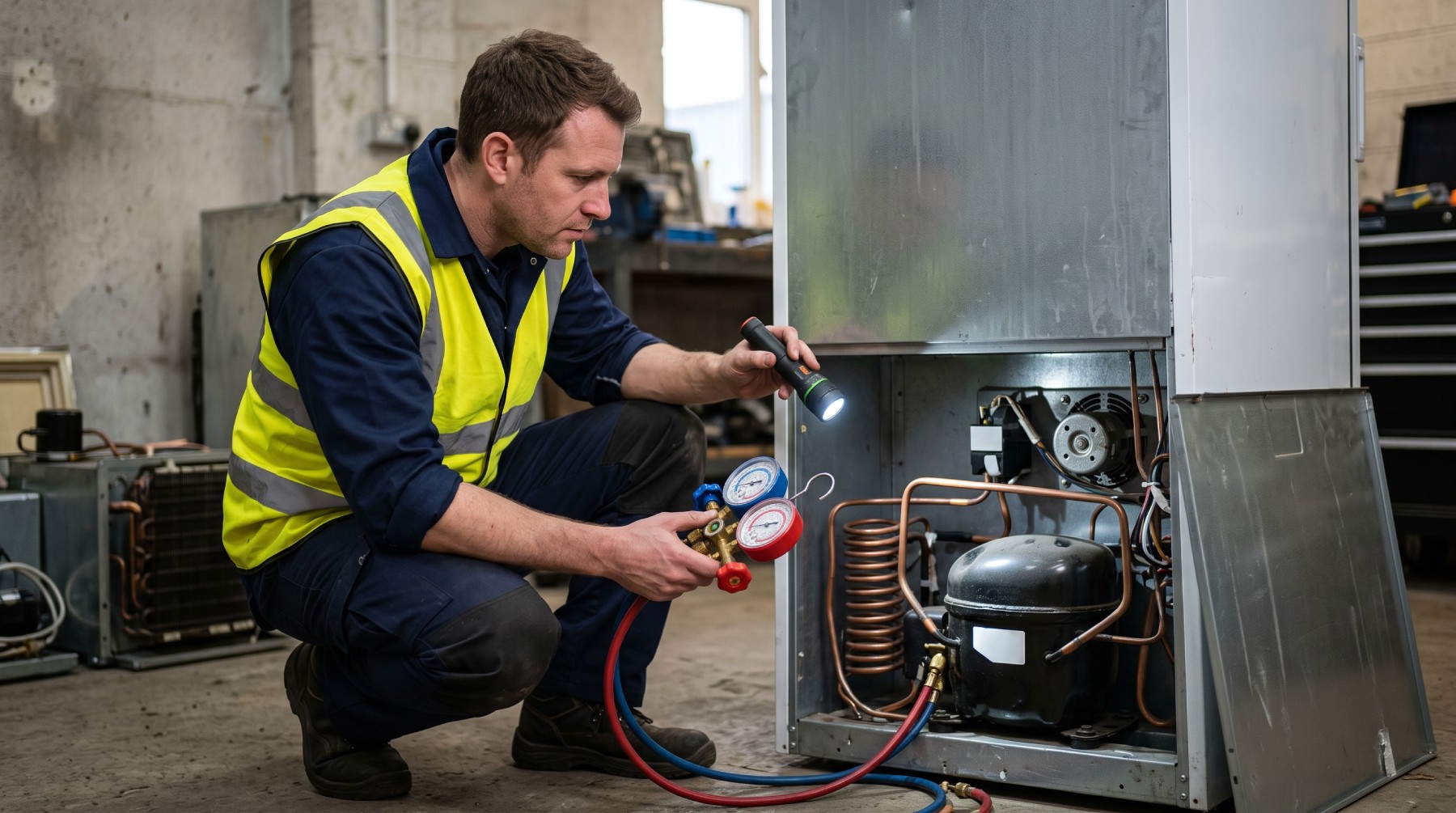
Even with the most dedicated cleaning schedule, complex mechanical systems eventually require expert intervention. Knowing exactly when to call for professional fridge servicing can save you from disastrous mid-service breakdowns. You can compare this to visiting a dentist; brushing your teeth daily is vital, but you still need a professional to check for cavities and perform deep cleans. Your refrigeration equipment relies on highly pressurised refrigerant gases, intricate electrical relays, and heavy-duty motors. Handling these components requires specific qualifications and specialised tools. Attempting a DIY repair on a complex compressor system is incredibly dangerous and will instantly void your manufacturer’s warranty. Therefore, partnering with a certified refrigeration engineer ensures your equipment operates safely and efficiently all year round.
Identifying Unusual Noises and Behaviours
Your cooling equipment communicates its mechanical health through sound and temperature fluctuations. You should always listen carefully to the hum of the compressor. A smooth, steady purr indicates normal operation. Contrarily, if you hear loud grinding, aggressive rattling, or sudden clicking noises, it is a clear warning that a component is struggling. For example, a squealing sound usually points to a failing fan motor bearing inside your fridges, while a harsh clicking often suggests an electrical relay is repeatedly tripping. Furthermore, if the outer casing of the appliance feels unusually hot to the touch, the system is overheating and desperately needs professional attention. Catching these subtle auditory and physical clues early allows engineers to replace small, inexpensive parts before they trigger a catastrophic failure.
Implementing Preventative Maintenance Programmes
The smartest approach to equipment care is proactive rather than reactive. Implementing a scheduled preventative maintenance programme ensures an engineer thoroughly inspects your appliances at least twice a year. During these routine visits, technicians check the refrigerant gas levels, calibrate the internal thermostats, and inspect the electrical wiring for signs of degradation. They can easily spot hidden issues inside under counter freezers that are invisible to the untrained eye. Upgrading to a modern, well-serviced fleet of appliances drastically reduces your carbon footprint and lowers your monthly overheads. Ultimately, paying for regular servicing is a shrewd investment that protects your valuable stock and grants you absolute peace of mind during your busiest trading hours.
Frequently Asked Questions About Cooling Equipment
How often should I clean my condenser coils?
You should aim to clean the condenser coils at least once a month. However, if your premises are particularly dusty or you run a busy kitchen with lots of airborne grease, you might need to gently brush and vacuum the coils every two weeks. Keeping these coils spotless ensures the heat dissipates efficiently, preventing the compressor from overheating.
Why is ice building up inside my commercial chiller?
Ice accumulation is usually caused by warm air repeatedly entering the cabinet and condensing on the cold internal surfaces. This often happens if the door gaskets are split or if staff leave the doors propped open. It can also occur if products are pushed too far back, completely blocking the internal evaporator fans.
Can I replace worn gaskets myself?
Yes, replacing push-in magnetic gaskets is generally a straightforward task that you can manage yourself. You simply pull the old seal out of the retaining channel and firmly press the new one into place. Still, if your specific model uses gaskets that are screwed or glued in, it might be safer to hire a professional to ensure an airtight fit.
What is the ideal temperature setting for food safety in the UK?
To comply safely with UK regulations, you should set your commercial chiller to 5°C. The legal maximum for high-risk chilled food is 8°C, but aiming for 5°C provides a vital safety buffer to account for the temperature rises that naturally happen when doors are frequently opened during a busy shift.
How do I know if my compressor is failing?
A failing compressor often runs continuously without ever quite reaching the target temperature. You might also notice loud, irregular clanking noises, severe vibrations, or the external metal casing becoming intensely hot. If you experience these symptoms, you must disconnect the power and call a certified technician immediately.
Does equipment placement affect running costs?
Absolutely. Placing a refrigeration unit right next to a blazing fryer, a hot radiator, or in direct sunlight forces the machinery to work incredibly hard to overcome the ambient heat. Moving your units to a cooler, well-ventilated area of your shop floor will noticeably reduce your daily electricity consumption.

Keep Your Cooling Equipment Running Brilliantly
Taking ownership of your appliance maintenance is the smartest way to guarantee flawless performance and protect your profits. By dedicating just a small amount of time each week to cleaning coils, checking rubber seals, and managing internal airflow, you prevent minor quirks from turning into major mechanical disasters. Remember that your cooling units are the silent workhorses of your business, working tirelessly day and night to keep your ingredients perfectly safe and beautifully presented. Treating them with respect and scheduling expert check-ups when necessary ensures they will serve you faithfully for many years to come.
If you are looking to upgrade your current setup, we invite you to discover our vast range of premium cooling solutions. From elegant glass door fridges to robust storage freezers, we have everything you need to fit out your venue. Display-Fridge Wholesale provides superior commercial fridge equipment to hospitality markets all over the United Kingdom. We supply commercial refrigerators and freezers to businesses throughout England at a wholesale price. Purchase an affordable commercial fridge now! Explore our extensive collection of multideck fridges and grab & go fridges to boost your impulse sales, or invest in our reliable countertop fridges and under counter fridges for tight kitchen spaces.
👉 SHOP OUR COMMERCIAL FREEZERS