
 0 items –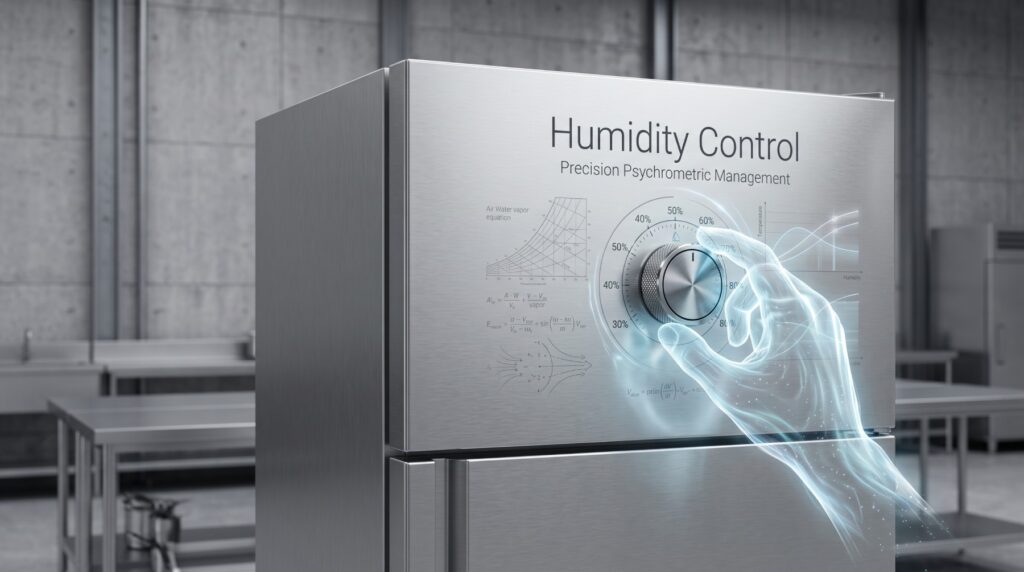
Maximise food freshness with proper humidity control in display fridges. Discover refrigeration psychrometrics and expert preservation tips.
Maintaining the perfect environment inside your chilling equipment goes far beyond simply adjusting a temperature dial. The invisible moisture suspended in the air plays a monumental role in keeping your stock vibrant, appetising, and safe for consumption. Have you ever pulled a crisp salad leaf from a chiller, only to find it unexpectedly limp and uninspiring? That frustrating scenario usually points to a severe imbalance in moisture levels. We understand that running a successful food business requires precise attention to these invisible details. Humidity control in display fridges is the silent guardian of your inventory, determining whether your delicate pastries remain delightfully flaky or your fresh meats retain their rich, appealing colour. When you grasp how water vapour interacts with cold air, you unlock the secret to dramatically extending the shelf life of your ingredients. So, mastering this balance ensures your customers always receive the highest quality products while you simultaneously reduce expensive food waste. If you are currently evaluating your equipment, exploring our extensive range of display fridges is an excellent starting point for achieving optimal environmental balance.




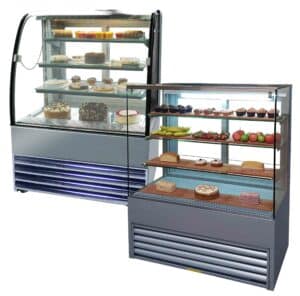
👉 SHOP OUR COMMERCIAL FREEZERS


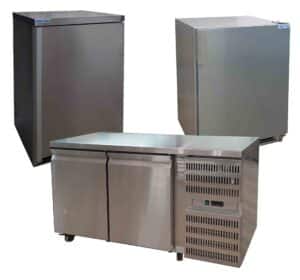

💡 Key Takeaways
- Understanding the Psychrometrics of refrigeration is essential for preventing rapid food spoilage.
- Excess moisture leads to harmful bacterial growth and unappealing condensation on glass screens.
- Low moisture strips products of their natural water content, causing severe weight loss and visual degradation.
- Modern commercial fridge moisture control systems utilise smart sensors to continuously balance the internal atmosphere.
- Strategic stocking and regular maintenance directly influence product longevity humidity levels.
- Choosing the right equipment, such as specialised grab & go sandwich fridges, ensures the environment matches the specific food type.
The Core Principles of Commercial Fridge Moisture Control
To truly appreciate how your equipment protects your stock, we must first look at the science governing air and water. Think of the air inside your cabinet as an invisible sponge. Warm air acts like a massive sponge, capable of holding a vast amount of water vapour. However, as the air cools down inside your chilling unit, that sponge shrinks significantly, squeezing out the excess water. This fundamental concept sits at the very heart of the Psychrometrics of refrigeration. The relationship between temperature and water vapour dictates exactly how moisture behaves around your valuable merchandise. If the air becomes too cold too quickly, it loses its capacity to hold water, leading to immediate condensation on surfaces. Still, if the system constantly strips moisture away without replenishing it, the air becomes painfully dry. We highly recommend consulting resources like the UK Food Standards Agency to understand the strict storage requirements for different food categories. Understanding this delicate dance allows you to make informed decisions about your storage practices. Anyway, achieving the right balance requires robust hardware. Upgrading to our premium multideck open fridges offers advanced airflow management that naturally stabilises these crucial moisture levels throughout the bustling trading day.

Demystifying the Psychrometrics of Refrigeration
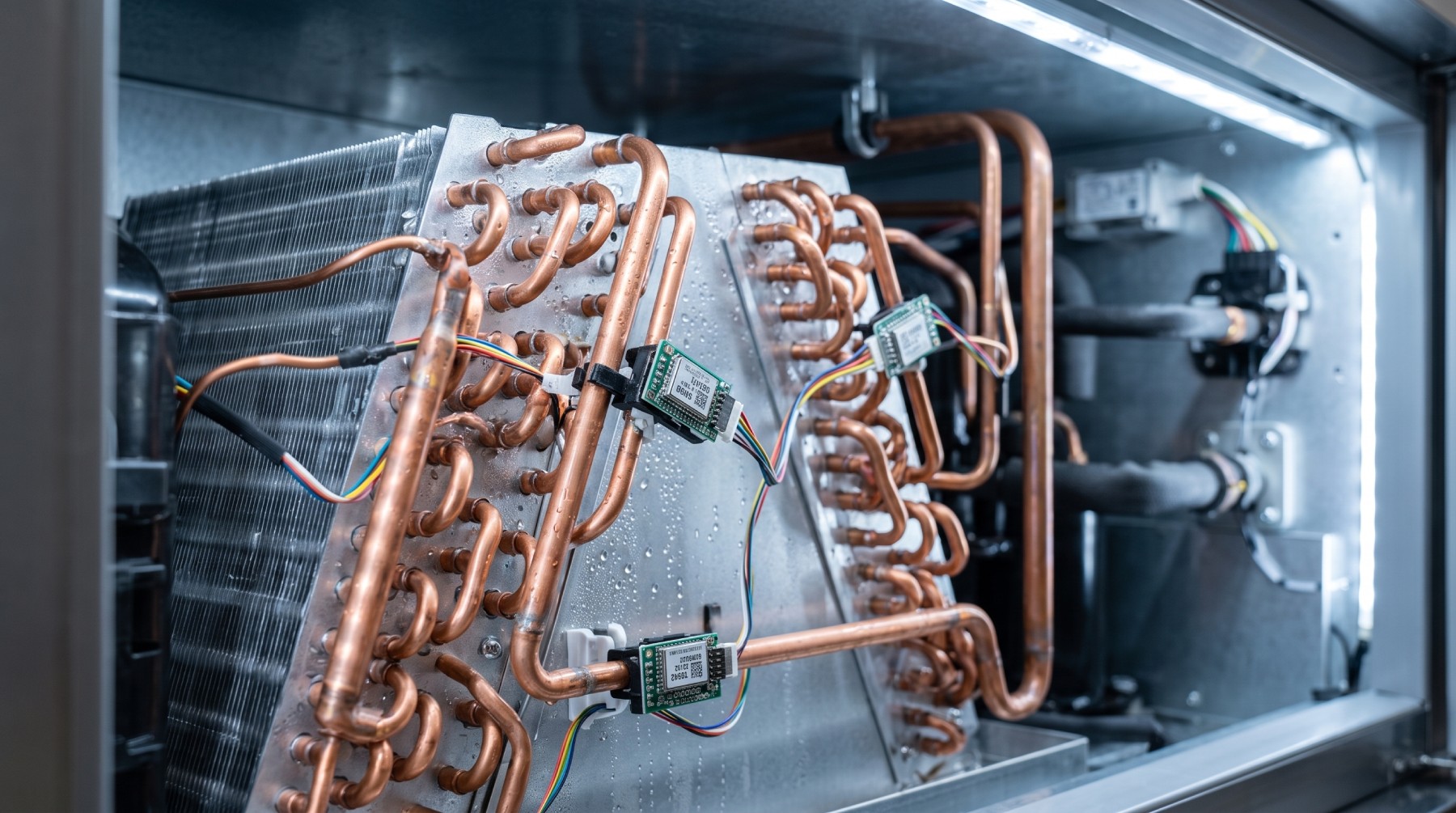
Psychrometrics might sound like a highly complex engineering term, yet the underlying principle is something you experience every single day. Consider what happens when you pour a freezing cold beverage into a glass on a warm afternoon. Water droplets instantly form on the outside of the glass. This occurs because the cold surface rapidly lowers the temperature of the surrounding air, forcing that air to release its hidden moisture. Inside your commercial cooling equipment, the exact same physical process happens constantly. The evaporator coils are exceptionally cold, and as air circulates over them, moisture is continuously extracted. To maintain product longevity humidity, the system must carefully manage how much moisture is removed during this cooling cycle. If the coils run aggressively cold, they pull too much water from the air, creating a desert-like environment inside the cabinet. Consequently, your fresh produce is forced to surrender its own internal moisture to the dry air, leading to rapid wilting. Upgrading your back-of-house operations with our robust storage fridges ensures you have a reliable environment that meticulously regulates this intricate moisture exchange.
The Direct Link Between Product Longevity Humidity and Temperature
You cannot separate temperature from moisture when discussing food preservation technology. They are fundamentally intertwined, operating as a unified system to slow down the natural degradation of organic materials. When you lower the temperature, you inevitably alter the relative humidity. Relative humidity is simply the percentage of water vapour present in the air compared to the maximum amount it could possibly hold at that specific temperature. For example, delicate leafy greens require a high relative humidity to remain crisp, whereas cured meats demand a notably drier environment to prevent sliminess. Getting this wrong has immediate financial consequences for your business. Furthermore, constantly fluctuating temperatures, often caused by staff repeatedly opening doors, wreak havoc on these moisture levels. Every time warm, ambient shop air rushes into the cabinet, the internal balance is completely shattered, forcing the compressor to work overtime. Investing in our durable upright storage fridges provides exceptional thermal insulation, shielding your valuable bulk ingredients from these disruptive external temperature swings and locking in the perfect moisture balance.
The Tangible Impact of Moisture on Fresh Produce
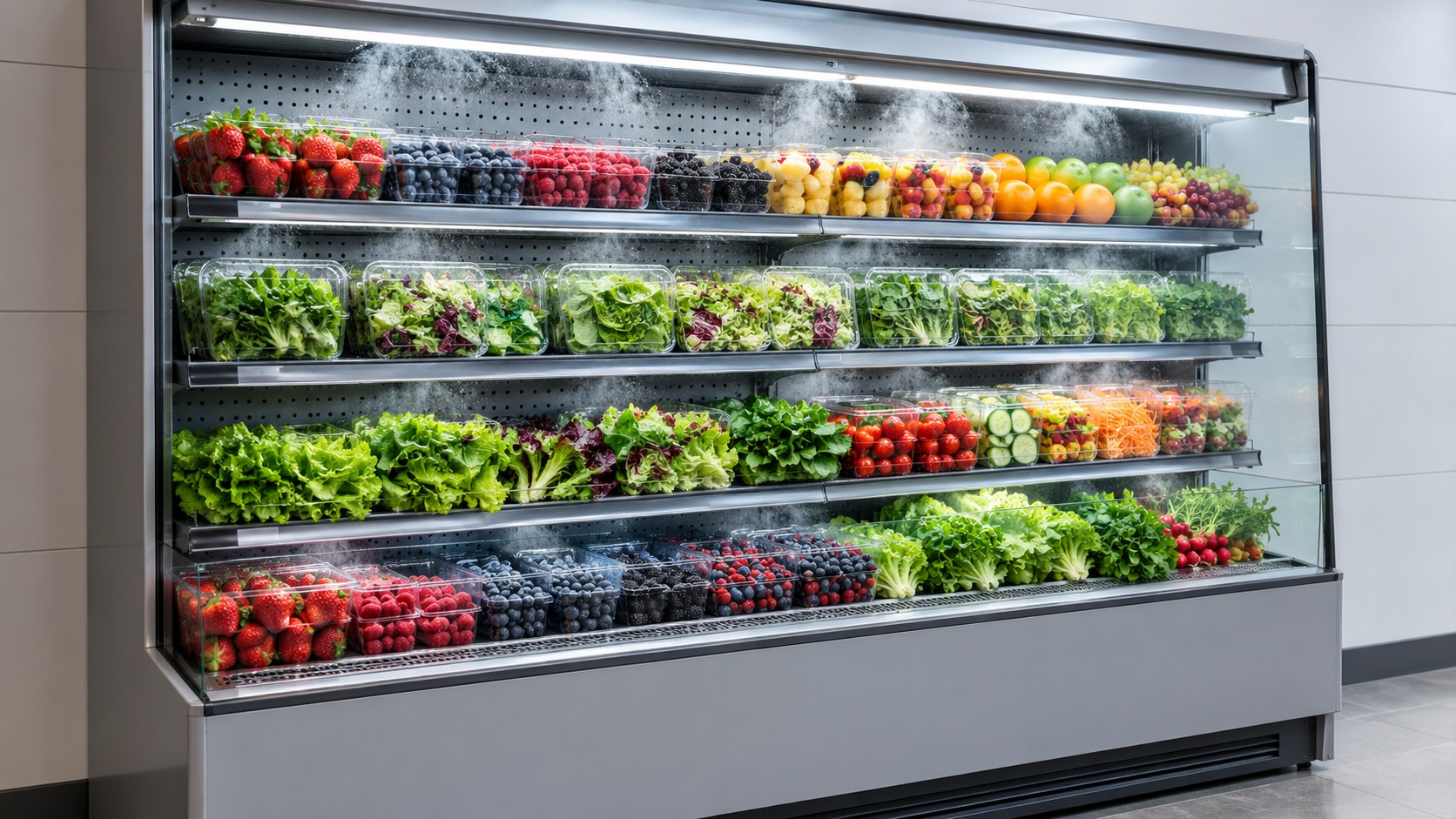
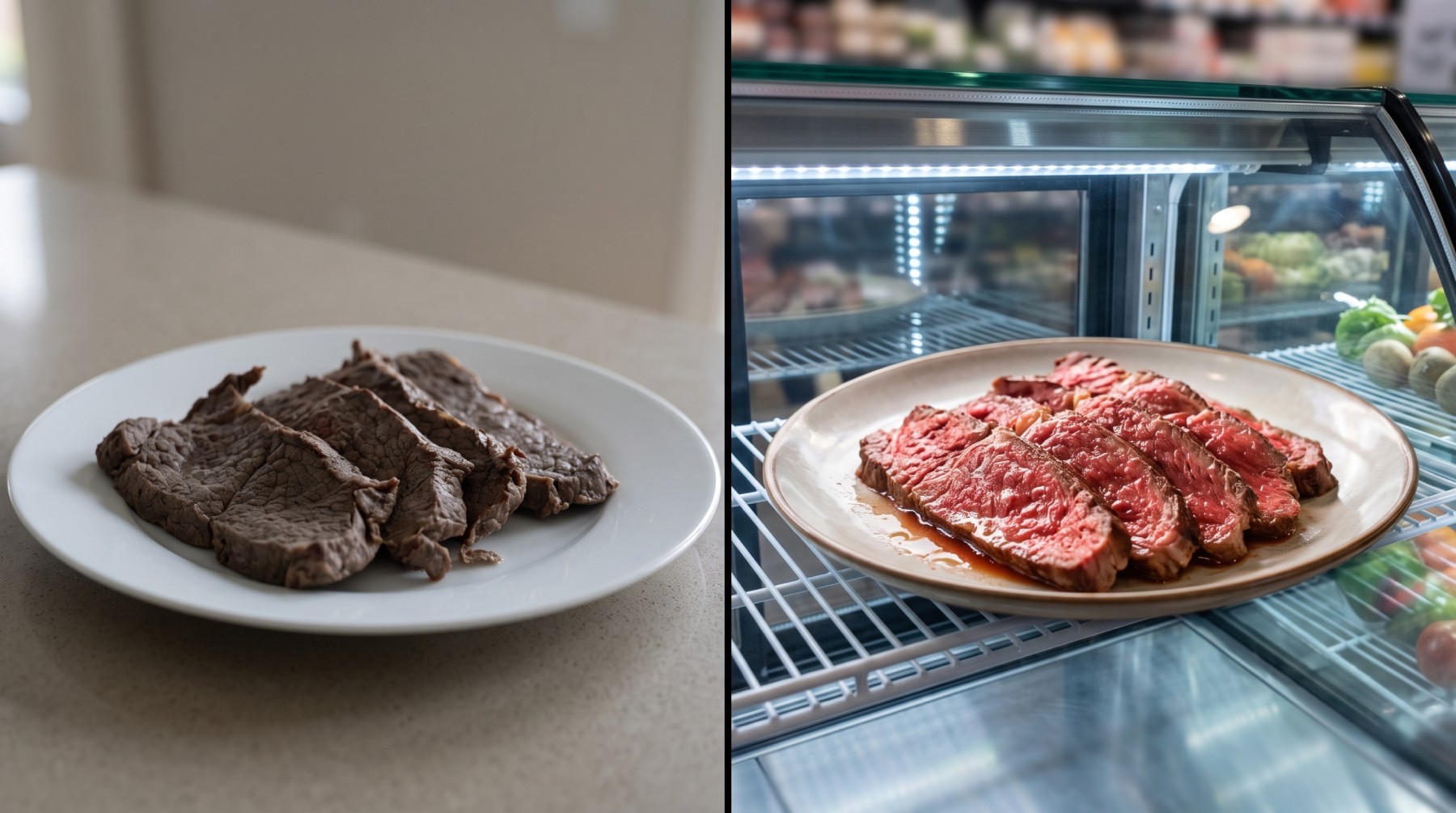
The visual appeal of your merchandise is the primary driver of impulse purchases in any retail or hospitality setting. Customers “eat with their eyes” long before they ever taste the food. Therefore, the atmosphere inside your cabinets directly influences your daily revenue. When commercial fridge moisture control fails, the results are immediately visible and highly detrimental. Produce quickly loses its vibrant hues, textures become highly unappealing, and the overall perception of freshness plummets. You might notice the edges of your premium cheeses turning hard and discoloured, or perfectly cut steaks taking on a dull, unappetising brown shade. These physical changes are entirely driven by the migration of water. The environment is either aggressively stealing moisture from the food, or suffocating it under a damp, stagnant blanket of condensation. To combat this, tailoring your equipment to the specific merchandise is vital. Displaying beautiful artisan cakes requires a vastly different approach than holding raw poultry. Our elegantly designed deli counter fridges provide the precise atmospheric conditions required to keep sliced meats and intricate prepared foods looking incredibly fresh and tempting all day long.
Navigating the Pitfalls of Low Humidity
A consistently dry environment is a silent thief in the commercial kitchen. When the air inside the cabinet lacks sufficient moisture, it actively seeks water from whatever source is available. Unfortunately, that source is usually your expensive fresh inventory. This relentless process is known as desiccation. Have you ever noticed how your own skin feels tight and dry during a crisp, cold winter day? Your food experiences the exact same severe dehydration. Fresh vegetables lose their structural integrity and turn limp, while raw meats suffer substantial weight loss, directly impacting your profit margins. A steak that loses ten percent of its water weight has lost ten percent of its saleable value. Moreover, this dehydration process concentrates the natural salts and sugars, which can negatively alter the final flavour profile of the dish. Protecting against desiccation requires a system that gently cools without excessively stripping the air. When merchandising pre-packaged items, our sleek drinks fridges and compact countertop fridges provide a perfectly chilled, stable environment that completely protects sealed goods from the damaging effects of dry, circulating air.
Combating the Threat of Excess Moisture
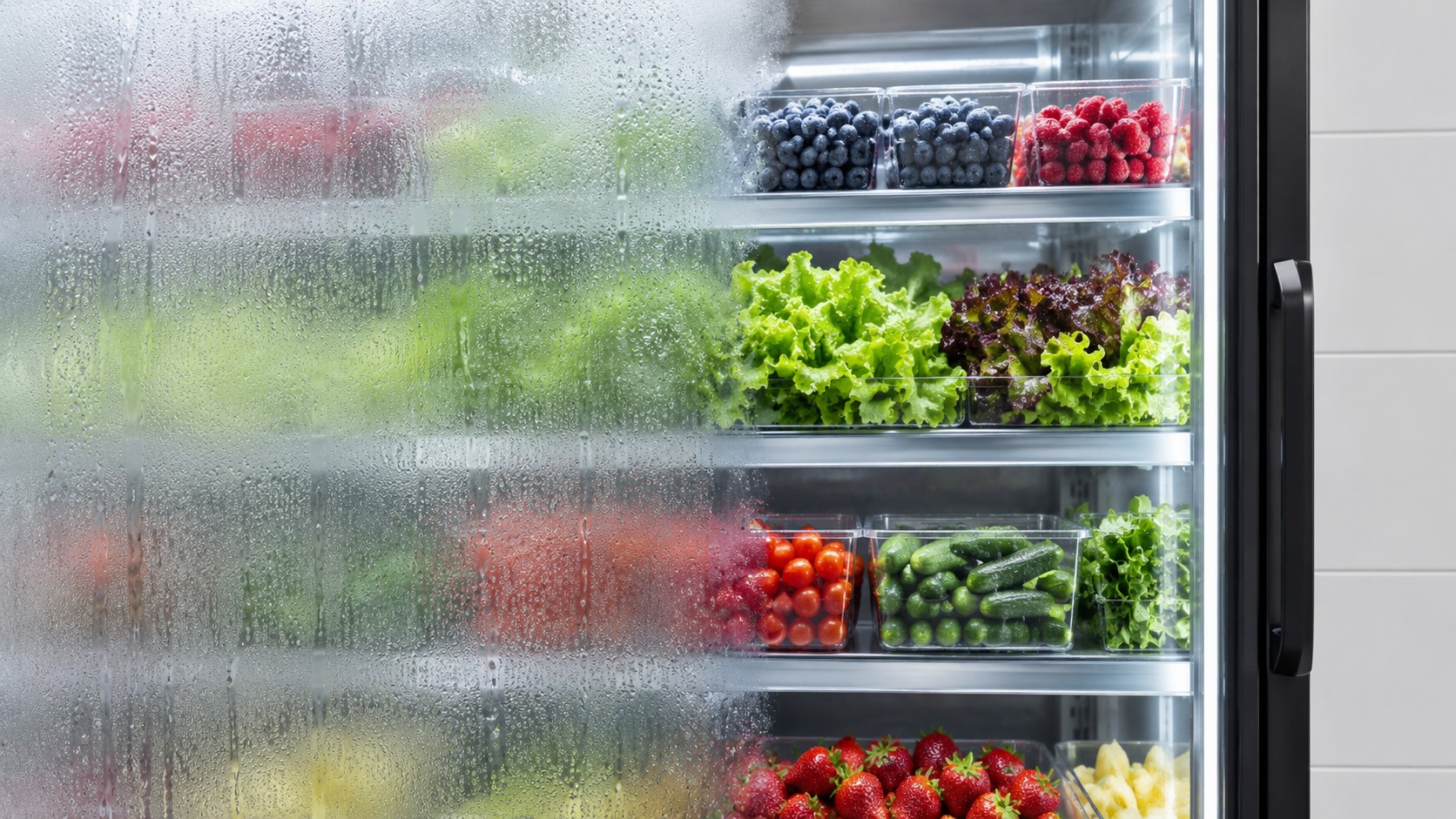
Contrarily, an environment choked with excess moisture presents an entirely different, yet equally severe, set of challenges. When humidity climbs too high, water begins to pool on surfaces. You will see thick condensation forming on the interior glass panels, completely obscuring the view of your products and deterring potential buyers. Far more concerning is the biological threat. Damp, stagnant conditions are the ultimate breeding ground for highly destructive mould, mildew, and harmful bacteria. If moisture settles on the surface of your food, it dramatically accelerates the spoiling process. Pastries absorb this airborne water, turning their delicate, flaky crusts into a soggy, inedible mess. Sliced meats develop a highly unpleasant slimy texture that violates health codes and ruins your reputation. Maintaining a crisp, clean atmosphere is non-negotiable for food safety. The UK Carbon Trust often highlights how efficient, modern refrigeration manages these loads effectively, reducing both energy waste and spoilage. To beautifully present highly sensitive baked goods without the risk of soggy degradation, our specialised cake fridges feature meticulous ventilation systems designed specifically to banish excess moisture.
Key Components Driving Food Preservation Technology
Achieving flawless moisture balance is not an accident; it is the result of highly engineered components working in perfect harmony. Modern systems rely on a complex network of parts to regulate the internal atmosphere. Understanding these elements helps you troubleshoot potential issues and appreciate the engineering behind your daily operations.

- Evaporator Coils: These are the icy heart of the system. As warm air blows across these cold metal fins, moisture condenses out of the air. The temperature of these coils directly dictates how much water is removed.
- Circulation Fans: Stagnant air leads to dangerous moisture pockets. Powerful fans ensure a consistent, gentle breeze moves throughout the cabinet, preventing condensation from settling on your delicate products or the glass displays.
- Defrost Timers and Heaters: Ice build-up on the evaporator coils completely ruins their ability to function. Automated defrost cycles periodically warm the coils to melt away ice, ensuring the system can continue to manage humidity effectively.
- Drip Trays and Drainage: Once the moisture is extracted from the air and melted off the coils, it needs somewhere to go. Efficient drainage channels this water away into a heated tray where it safely evaporates outside the cabinet.
- Door Seals and Gaskets: The simplest, yet most crucial component. A tight rubber seal prevents warm, damp ambient air from sneaking into the cold zone. A compromised seal instantly ruins the internal humidity balance.
By familiarising yourself with these essential parts, you can implement better daily maintenance routines. For tight spaces where monitoring equipment can be challenging, our robust under counter fridges are built with highly durable components designed to withstand rigorous, continuous daily use.
Advanced Humidity Regulation Technologies in Practice
The commercial refrigeration industry has evolved dramatically, moving far beyond basic thermostats and rudimentary cooling loops. Today, food preservation technology relies heavily on sophisticated microprocessors and hyper-sensitive environmental sensors. These advanced systems do not just react to the temperature; they actively monitor the moisture content of the air in real-time. When a sudden influx of warm, damp air enters the cabinet, the system instantly adjusts the fan speeds and compressor cycles to rapidly restore the delicate equilibrium. This dynamic response prevents the sudden, sharp spikes in humidity that cause damaging condensation to form on your beautifully presented food. Some high-end units even feature specialised moisture injection systems, purposefully adding a fine, invisible mist of water back into the air to protect highly sensitive items like unpackaged fresh fish or exotic blooming flowers. We proudly integrate cutting-edge technological advancements into our inventory. When you need to showcase frozen goods without the dreaded plague of frost obscuring the view, our stunning upright glass door freezers utilise superior anti-condensation technology.

Implementing Precision Control for Delicate Goods
Different merchandise demands completely different micro-climates. A universal, one-size-fits-all approach to humidity is a guaranteed recipe for widespread food waste. Consider a high-end butchery displaying expensive, dry-aged beef. This product requires an incredibly specific, low-humidity environment to encourage the correct enzymatic breakdown while entirely preventing harmful fungal growth. Conversely, a vibrant display of fresh, unwrapped vegetables requires near-saturation levels of moisture to prevent immediate wilting and loss of crucial vitamins. Modern units allow operators to fine-tune these parameters, creating bespoke environments for their specific inventory. You must strategically categorise your stock and deploy the appropriate chilling hardware for each specific category. Mixing highly moisture-sensitive items with products that release a lot of water vapour is always a mistake. To properly store and protect large quantities of valuable protein, our heavy-duty upright meat freezers provide the intense, dry, freezing power necessary to halt degradation completely, while our under counter freezers offer versatile, reliable freezing capabilities right at your staff’s fingertips.
Actionable Suggestions for Managing Daily Operations
Even the most advanced technology requires sensible human operation to function at its absolute best. Your daily habits and store routines have a massive, undeniable impact on commercial fridge moisture control. Are you inadvertently sabotaging your own equipment? Consider how often your staff open the doors during a busy lunch rush. Every single time that door swings open, a massive wave of warm, humid ambient air crashes into the carefully balanced cold zone. You must train your team to minimise door openings and ensure doors are firmly shut immediately after use. Furthermore, proper stocking techniques are vital. Overfilling a cabinet severely restricts the essential airflow, creating pockets of dead, damp air where mould thrives. You must always respect the designated load lines and ensure there is adequate space between products for the cold air to circulate freely. Regular, meticulous cleaning of the rubber door gaskets is another non-negotiable task. Dirt and food debris easily compromise the seal, allowing a constant, invisible leak of moisture. When bulk storage is a primary concern, our cavernous storage freezers and highly accessible sliding glass chest freezers offer immense capacity while maintaining a stable internal climate, provided they are loaded and managed correctly.

Frequently Asked Questions About Refrigeration Moisture
What is the ideal humidity level for a commercial refrigerator?
The ideal level depends entirely on what you are storing inside. Fresh produce and leafy greens thrive in high humidity, usually between 85% and 95%. Meat and poultry require slightly lower levels, around 75% to 85%, to prevent the surface from becoming unpleasantly slimy. For general mixed storage, a balanced level of around 50% to 60% is typically recommended to keep packaging dry while preventing severe desiccation of the food.
How does psychrometrics of refrigeration affect my daily energy bills?
When humid air enters your chiller, the system has to work significantly harder. The moisture in the air holds latent heat, which the compressor must forcefully remove. Additionally, excess moisture forms frost on the evaporator coils, acting as a thick insulating blanket that forces the equipment to run longer to achieve the target temperature. Maintaining a stable, well-sealed environment dramatically reduces this wasteful energy consumption.
Why is condensation forming on the inside of my glass doors?
Condensation occurs when the surface temperature of the glass drops below the dew point of the surrounding air. This usually happens when the internal humidity is far too high, often due to a failing door seal, an overstocked cabinet blocking airflow, or a broken internal circulation fan. It can also happen on highly humid days if your shop’s ambient air conditioning is not effectively dehumidifying the room.
Can commercial fridge moisture control impact the taste of food?
Absolutely. When food suffers from low humidity and desiccates, its natural water content evaporates, leaving behind concentrated salts and sugars that alter the intended flavour profile. Conversely, excess moisture encourages bacterial growth that imparts sour, highly unpleasant off-flavours. Perfect moisture balance preserves the original, intended taste and texture of your valuable culinary creations.
Are there specific maintenance routines to ensure product longevity humidity remains stable?
Yes, routine maintenance is absolutely critical. You must regularly inspect and clean the door gaskets with warm, soapy water to ensure a perfectly airtight seal. You should also ensure the drainage tube and drip tray are entirely clear of blockages, allowing extracted water to escape the cabinet easily. Finally, scheduling an annual service with a qualified engineer ensures the refrigerant levels and evaporator coils are operating at peak efficiency.
How does modern food preservation technology handle defrosting without ruining humidity?
Modern systems utilise incredibly smart, timed defrost cycles or highly advanced sensors that only initiate a defrost when substantial ice build-up is actually detected. During these brief cycles, a small heater rapidly melts the ice on the coils, and the resulting water is quickly drained away. The internal fans often pause during this exact process to prevent blowing warm, damp air directly onto your chilled merchandise.
Securing the Future of Your Fresh Stock
Mastering the atmosphere inside your equipment is an ongoing, highly rewarding commitment to quality. By thoroughly understanding the intricate relationship between temperature and airborne moisture, you are actively taking control of your inventory’s lifespan. You are completely stopping the silent, invisible forces that cause premature wilting, unappealing discoloration, and dangerous bacterial growth. Whether you are carefully showcasing delicate pastries, vibrant fresh salads, or premium cuts of meat, matching your daily operational habits with the correct technological hardware is the ultimate key to immense commercial success. A well-maintained system expertly manages the unseen environment, ensuring every single item you sell looks incredible and tastes extraordinary. We are entirely committed to helping you achieve this perfect balance. Display-Fridge Wholesale provides superior commercial fridge equipment to hospitality markets all over the United Kingdom. We supply commercial refrigerators and freezers to businesses throughout England at a wholesale price. Purchase an affordable commercial fridge now!