
 0 items –
Discover the critical differences between a medical vs food grade refrigerator. Learn why pharmacies need strict temperature precision.
When you invest in commercial cooling equipment, the underlying technology defines how safely your inventory survives the rigours of daily operations. A medical vs food grade refrigerator might appear identical from the outside, featuring similar white metal casings or sleek glass doors. However, their internal engineering serves completely different purposes. A standard commercial kitchen appliance focuses on rapid cooling and handling constant door openings during a busy lunch service. Contrarily, clinical refrigeration must maintain an unyielding climate to protect sensitive biochemicals. Think of a standard storage fridge as a robust family vehicle, designed to handle a bit of everything with ease. A clinical unit, though, is like a highly tuned scientific instrument, calibrated for absolute precision where even a minor deviation causes total chemical failure. Anyway, grasping these deep engineering distinctions prevents costly regulatory breaches. So, whether you operate a busy local pharmacy or a bustling high-street café, selecting the appropriate technology secures your stock. We understand that navigating these technical specifications feels overwhelming at times. Nonetheless, breaking down the mechanics reveals a clear path to compliance and efficiency. Exploring these core differences ensures your business operates safely and profitably.
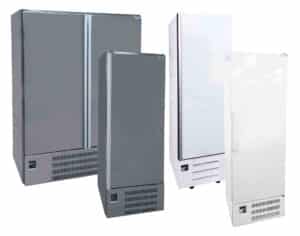


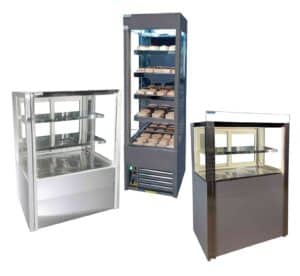

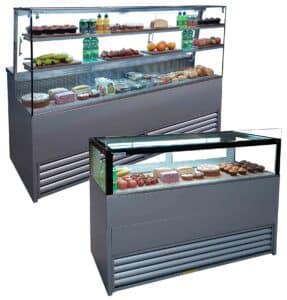

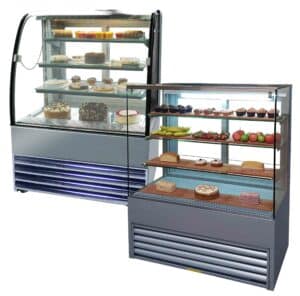
👉 SHOP OUR COMMERCIAL FREEZERS


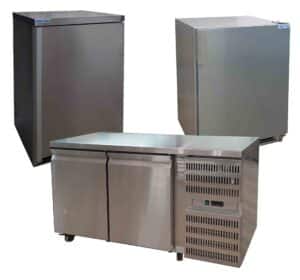

💡 Key Takeaways
-
Clinical refrigeration demands microprocessor temperature control, usually remaining strictly between 2°C and 8°C to prevent biological degradation.
-
Food storage units prioritise rapid temperature recovery after frequent door openings in hot catering environments.
-
Vaccine storage requires mandatory continuous data logging and audible alarms to meet rigorous UK regulatory standards.
-
Airflow in clinical units is engineered to prevent freezing zones, whereas commercial catering units use powerful fans to blast cold air.
-
Choosing the wrong unit type voids manufacturer warranties and severely compromises public safety.
-
Hospitality businesses require durable, high-volume units focused on visual merchandising and rapid cooling cycles.

Core Engineering of Clinical Temperature Precision
Securing the integrity of pharmaceutical supplies requires absolute environmental control at all times. A medical vs food grade refrigerator relies on sophisticated microprocessors rather than simple analogue dials. When you store biological products, the internal temperature cannot fluctuate freely. A standard undercounter fridge operates on a broad cycle, cooling down until it hits a lower threshold, switching off, and then warming up until the compressor kicks back into action. This mechanical cycle creates internal temperature swings of several degrees. Nevertheless, vaccines and insulins degrade rapidly if exposed to such volatility. Medical fridges use advanced sensors placed meticulously throughout the cabinet, sometimes suspended in glycol bottles to mimic the exact temperature of liquid medication. This ensures the reading reflects the product itself, rather than just the ambient air surrounding it. Still, achieving this precision means the compressor must work in subtle, continuous increments to maintain stability. After all, if a biological asset freezes for even a few minutes, its chemical efficacy is permanently destroyed. You can liken this to baking a highly delicate soufflé; you need a precise, unwavering oven temperature to succeed. A conventional storage fridge is more like a roaring campfire, which is highly effective for general tasks but wildly inconsistent for delicate work. Furthermore, clinical compressors are engineered to run quietly and efficiently without causing massive thermal shock to the stored inventory. You must prioritise this level of engineering when dealing with any form of medical supply.
Why Vaccines Demand Absolute Stability
Biological materials represent some of the most sensitive items managed within any professional supply chain. A pharmacy refrigerator is specifically calibrated to adhere to the strict guidelines set out by British health authorities. According to the authoritative guidance found in the Green Book, vaccines must be maintained constantly between +2°C and +8°C to remain viable. If the internal climate drops below freezing, the delicate protein structures within the vaccines shatter completely. Alternatively, if the environment becomes too warm, the active compounds lose their vital potency. Consequently, a clinical environment cannot rely on a standard upright fridge designed for hospitality. These specialised units feature fan-assisted cooling that circulates air gently and evenly across every single shelf, eliminating the dreaded cold spots often found at the back of standard catering appliances. Moreover, solid doors or highly insulated glass panels prevent ambient room heat from penetrating the storage chamber during daily operations. So, when dealing with life-saving medications, the margin for error is entirely non-existent. You must deploy equipment explicitly designed to eliminate variable temperatures. Further, the insulation used in clinical units is significantly denser, providing a secure thermal barrier against external temperature spikes. This meticulous attention to detail separates true medical equipment from standard catering appliances. Yet, implementing these systems remains straightforward when you understand the foundational rules of biological storage.
Alarm Systems and Regulatory Compliance
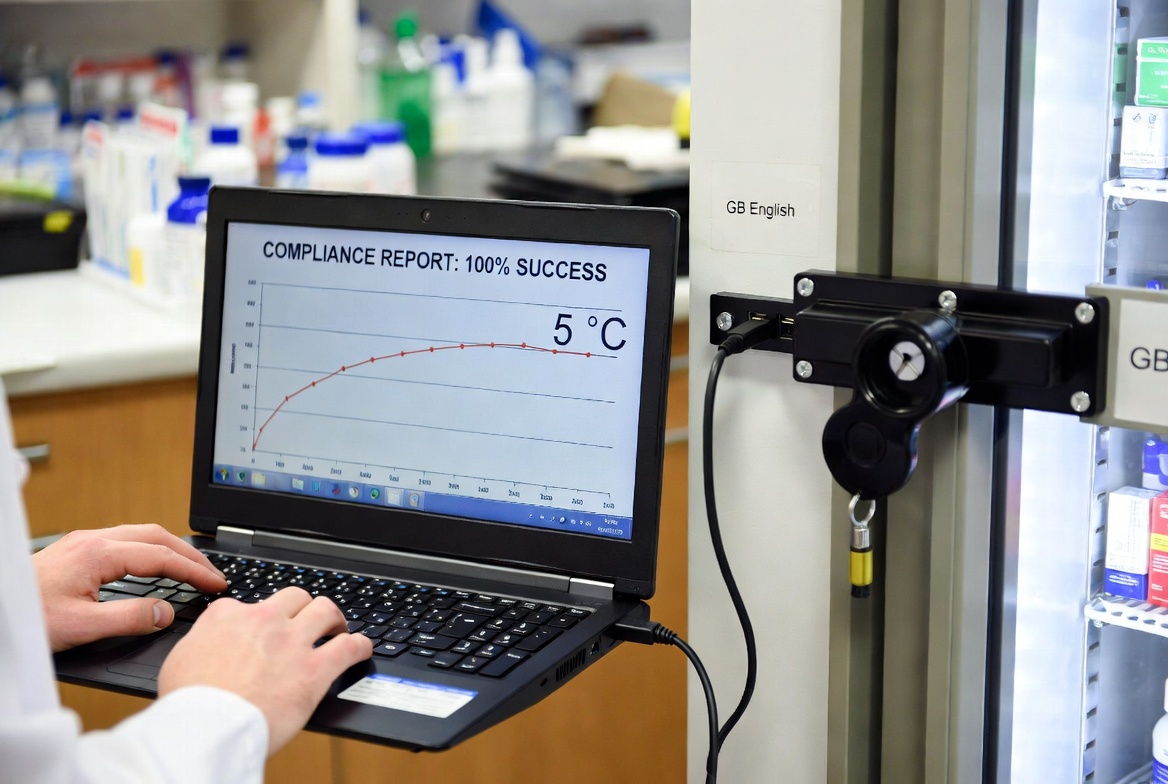
Protecting valuable inventory extends far beyond mere temperature regulation and basic airflow management. Medical freezers and refrigerators must feature robust, failsafe security mechanisms to alert staff immediately. If a compressor fails or a busy staff member leaves the door slightly ajar, the appliance must instantly notify the responsible personnel. Clinical units are fitted with sophisticated visual and audible alarms that trigger the very moment the internal temperature breaches the pre-set safety parameters. Moreover, these systems often include remote alarm contacts, allowing the appliance to send alerts directly to a central building management system or a dedicated mobile device. A food-grade storage fridge rarely requires such extreme, round-the-clock oversight. While a smart catering appliance might beep if left open, it certainly does not record a minute-by-minute digital log of its internal climate. In clinical settings, continuous data logging represents a strict legal necessity. Pharmacists must prove to government inspectors that their inventory has never strayed outside the highly regulated safe zone. This process involves extracting digital temperature records via USB drives or integrated wireless networks. Yet, setting up these comprehensive alarms is remarkably straightforward, functioning much like a modern home security system that alerts your smartphone the moment a window sensor is tripped. Businesses handling medical supplies rely entirely on these technological safety nets to maintain their operational licenses and protect the public from degraded medications.
Data Logging and Compliance Security
The physical and digital security of pharmaceutical stock is just as critical as its thermal stability. A dedicated pharmacy refrigerator is always equipped with heavy-duty locks integrated into the frame. Controlled drugs and expensive vaccines must be secured relentlessly against unauthorised access. Contrarily, a typical open fridge in a local supermarket actively encourages immediate consumer access to drive sales. Clinical units also feature essential backup battery systems. In the event of a total power cut across the building, the monitoring equipment and alarms continue to function seamlessly, providing crucial data about how long the stock remained safe in the dark. This ensures that you never have to guess whether the inventory is still legally viable for patient use. For comprehensive guidance on general food safety and commercial storage, you might consult the Food Standards Agency. While food safety is incredibly important, the compliance threshold for catering differs significantly from the highly regulated medical sector. You can replace a spoiled batch of milk easily, but replacing a compromised delivery of specialist vaccines presents a massive financial and logistical crisis. Thus, investing in compliant, secure medical equipment completely shields your healthcare practice from catastrophic regulatory and financial losses. Furthermore, these units often feature dual-probe monitoring, ensuring redundancy if one sensor happens to fail during a critical storage period.
Structuring Your Commercial Food Storage
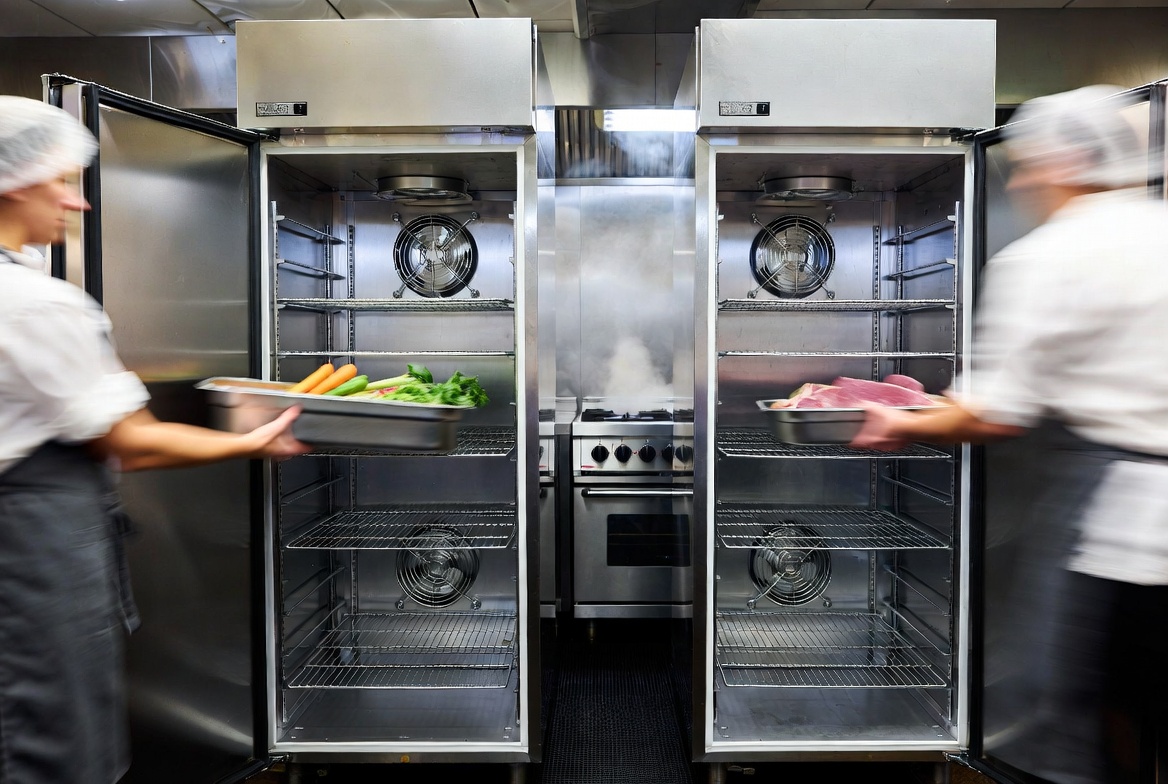
Pivoting entirely away from the clinical sector, the demands placed on hospitality cooling equipment are completely different but equally demanding. A bustling restaurant kitchen requires heavy-duty machinery that can endure relentless physical punishment day after day. When chefs repeatedly open a glassdoor fridge during a busy lunch service, wave after wave of warm kitchen air floods the chilled cabinet. The internal compressor must be powerful enough to rapidly drag the temperature back down to safe food storage levels before bacteria can multiply. You need to structure your kitchen to maximise efficiency.
👉 SHOP OUR COMMERCIAL FREEZERS
-
High-velocity internal fans designed to aggressively blast chilled air throughout the entire cabinet volume.
-
Robust, easily cleanable stainless steel interior walls that resist acidic food spills and daily scrubbing.
-
Adjustable, heavy-duty shelving systems capable of supporting large, exceptionally heavy gastronorm pans.
-
Advanced defrost cycles engineered specifically to handle the high humidity introduced by steaming hot kitchens.
-
A strong focus on maximum internal volume and versatile layout rather than pinpoint thermal precision.
-
Reinforced door handles and hinges designed to withstand thousands of forceful pulls every single week.
These robust units are built exactly like sturdy workhorses. Regardless of how busy the environment gets, they pull down temperatures swiftly to keep delicate ingredients fresh and comply strictly with basic food hygiene regulations.
Selecting the Right Unit for Hospitality
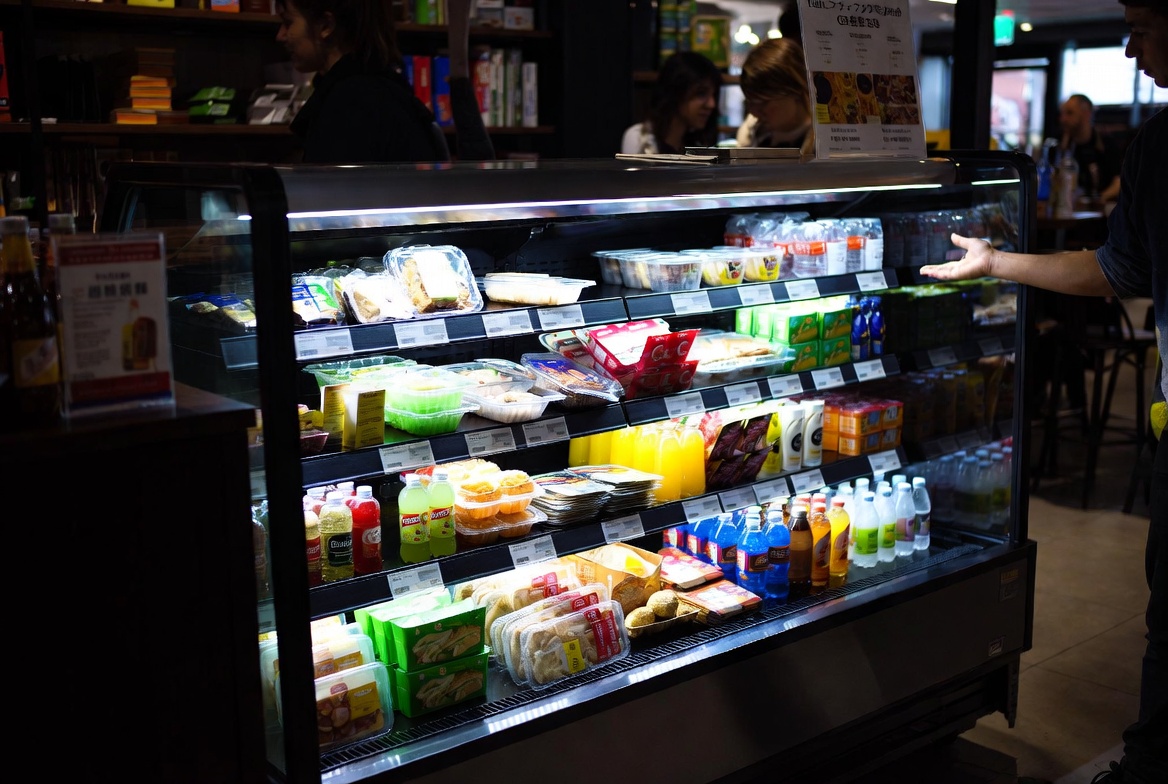
Your specific catering menu and daily service style dictate the exact type of commercial appliance required. If your business relies heavily on visual merchandising, a glassdoor freezer or brightly illuminated display fridges become essential sales tools. These specialised units combine the robust cooling power of a commercial system with attractive LED lighting to actively entice customers. For high-volume cafes and transit hubs, sandwich fridges and multideck open fridges completely remove physical barriers to purchase, allowing busy customers to easily grab their lunch. However, these open units must work exceptionally hard to maintain an invisible curtain of freezing air against the warm ambient room temperature. If you run a premium dessert parlour, cake fridges provide the gentle cooling and high humidity necessary to stop delicate, expensive pastries from drying out. Behind the scenes, busy chefs rely entirely on under counter fridges and deli counters to keep freshly prepped ingredients exactly within arm’s reach of the main cooking station. To browse our extensive ranges and discover the perfect fit for your retail space, consider the layout of your floor plan carefully. Buying the correct upright storage fridges transforms a chaotic kitchen into a streamlined, highly profitable operation capable of serving hundreds of satisfied customers daily.
How Airflow Dictates Cooling Efficiency
Understanding the exact movement of air within a storage cabinet helps you appreciate why certain units perfectly suit specific tasks. A medical vs food grade refrigerator handles internal air circulation in fundamentally different ways. In a clinical setting, chilled air must glide smoothly and consistently over the shelves, ensuring every single chemical vial experiences the exact same thermal conditions. You can compare this to a gentle, perfectly controlled air conditioning breeze in a luxury hotel room. There are absolutely no sudden blasts of freezing air that could accidentally freeze a delicate vaccine stored near the ventilation duct. Conversely, a commercial chest freezer or a large upright storage fridge uses highly dynamic, forced-air cooling systems. Powerful internal fans drive chilled air aggressively deep into the furthest corners of the cabinet. This aggressive, high-speed approach is strictly necessary to penetrate dense, heavy blocks of food, such as large cuts of beef or deep-filled catering tubs. But, if you placed a fragile biological sample directly in front of one of these catering fans, it would freeze solid and perish almost instantly. So, visualising how air travels around your stored items prevents catastrophic spoilage and ensures your mechanical equipment operates exactly as the manufacturer intended.
Forced Air vs Static Cooling Mechanisms
Diving much deeper into commercial cooling mechanics, you will constantly encounter both forced air and static refrigeration systems. A traditional static system relies entirely on natural thermal convection; heavy cold air gently falls from an evaporator plate located at the top, while lighter warmer air naturally rises. You often find this older, simpler technology in budget-friendly equipment. However, static cooling inevitably creates a noticeable temperature gradient, meaning the absolute bottom of the cabinet is always noticeably colder than the top shelves. This is perfectly acceptable for a standard drinks fridge where you might deliberately place highly chilled sodas at the top and lightly chilled beers at the bottom. Nevertheless, modern medical fridges strictly avoid static cooling at all costs. They employ highly advanced fan-assistance to homogenise the internal climate entirely. For long-term preservation of bulk catering ingredients, sliding glass chest freezers utilise static freezing highly effectively, as the cold air naturally pools heavily at the base of the chest when the lid is opened. This specific design makes chest freezers incredibly energy-efficient for storing heavy bulk goods that do not require constant, minute-by-minute access by the kitchen staff.
Making the Choice for Your Business
Selecting the perfect commercial equipment requires a highly clear assessment of your daily business operations. Using a highly calibrated medical appliance to chill café sandwiches is a profound waste of money, while using a catering appliance to store delicate vaccines is completely illegal and highly dangerous. For the fast-paced hospitality sector, your primary focus must constantly remain on mechanical durability, rapid temperature recovery, and bright visual merchandising. We offer a truly vast array of solutions precisely tailored to these exact commercial needs. If you operate a busy high-street bar, our highly robust under counter freezers and countertop fridges ensure your bar staff can serve quickly without ever leaving their station. For larger professional dining establishments, investing in dedicated upright meat freezers guarantees highly safe, strictly hygienic storage of high-value raw proteins. Furthermore, local supermarkets and convenience stores benefit immensely from our sleek, modern display freezers and upright glass door freezers, which maximise limited floor space while prominently showcasing highly profitable frozen goods. Still, the underlying technical principle remains exactly the same: always match the core engineering to the specific application. Assess your building’s floor plan, understand your regulatory requirements, and actively choose an appliance that greatly enhances your workflow.
👉 SHOP OUR COMMERCIAL FREEZERS
Optimising Maintenance and Equipment Longevity
Purchasing the absolute right equipment is only the very first step; meticulously maintaining it ensures a massive return on your financial investment. Regardless of whether you operate a delicate medical unit or a highly robust storage fridge, strict preventative maintenance is absolutely vital. Thick dust constantly accumulating on the rear condenser coils acts exactly like a thick woollen jumper, trapping unwanted heat and forcing the internal compressor to work twice as hard to achieve the same results. You should strictly implement a monthly professional cleaning schedule to gently brush or vacuum these essential coils. Moreover, regularly inspect the flexible rubber door gaskets for any signs of wear. A split or damaged gasket allows expensive cold air to bleed out continuously, drastically inflating your monthly energy bills and putting immense, unnecessary strain on the delicate refrigeration circuit. Treat your commercial fridge exactly like a heavy commercial vehicle; it requires regular, professional servicing to remain highly reliable. When you source your professional equipment from us, you gain immediate access to durable machines specifically built for the harsh rigours of commercial life. From high-capacity storage freezers to highly elegant display fridges, regular, dedicated upkeep guarantees many years of flawless, profitable service.
FAQs
What is the main difference between a medical vs food grade refrigerator?
The primary difference lies in strict temperature precision. A pharmacy refrigerator uses advanced microprocessors to maintain a precise climate without fluctuation, whereas a food grade unit focuses on rapid cooling power to combat frequent door openings in a hot commercial kitchen environment.
Can I use an upright fridge designed for catering to store medical supplies?
No, you cannot. Standard commercial storage units lack the required continuous data logging, absolute thermal stability, and integrated failsafe alarm systems necessary to comply with strict British clinical regulations and ensure patient safety.
Why do commercial kitchens prefer forced-air cooling?
Busy kitchens constantly introduce warm ambient air into the cabinet when staff open the doors. Forced-air systems utilise highly powerful fans to rapidly blast chilled air throughout the interior, quickly pulling the temperature back down to safe levels to prevent rapid bacterial growth.
Are display freezers as energy efficient as solid door storage freezers?
While glass inherently provides less insulation than thick solid metal doors, modern commercial units utilise double or triple-glazed argon-filled panels. This advanced technology ensures they remain highly energy efficient while simultaneously driving highly profitable impulse purchases on the shop floor.
How do I choose the right unit for my hospitality business?
Evaluate your specific service model. If you need front-of-house merchandising, invest in multideck open fridges or grab & go sandwich fridges. For back-of-house operations requiring heavy bulk storage, select robust chest freezers or dedicated upright meat freezers to ensure maximum kitchen efficiency.
Securing Your Commercial Cooling Infrastructure
Understanding the deep technical divide between clinical and catering equipment perfectly protects your commercial business from highly critical, expensive failures. You now fully recognise that a medical vs food grade refrigerator represents two entirely different, highly specialised engineering philosophies. While a dedicated pharmacy refrigerator fiercely guards fragile chemical compounds with microprocessor precision, commercial food units constantly battle the chaotic, intense heat of a working professional kitchen. Whether you urgently need an upright fridge for a busy restaurant or spacious open fridges for a growing supermarket, matching the specific technology directly to your inventory is absolutely paramount. We fully understand the truly unique daily pressures faced by British businesses, from rapidly tightening energy regulations to highly stringent hygiene inspections. That is precisely why we curate a comprehensive catalogue designed explicitly to deliver uncompromising, highly reliable performance day after day. Take decisive action today to dramatically upgrade your storage capabilities and securely safeguard your highly valuable stock. We supply commercial refrigerators and freezers to businesses throughout England at a wholesale price. Purchase an affordable commercial fridge now! Display-Fridge Wholesale provides superior commercial fridge equipment to hospitality markets all over the United Kingdom. Visit our comprehensive online store today and securely purchase the perfect commercial cooling solution tailored specifically for your thriving enterprise.