
 0 items –
Have you ever opened the heavy stainless steel door of your primary kitchen storage unit, expecting to retrieve your frozen stock smoothly, only to be greeted by an unexpected indoor glacier? It is a deeply frustrating scenario that countless hospitality professionals face on a regular basis. Understanding exactly why this happens is your vital first step toward achieving a permanent, cost-effective fix. A commercial freezer freezing over completely disrupts your kitchen’s natural rhythm, drives up your monthly energy costs, and puts your valuable perishable stock at severe risk of spoilage. 🥶
When moisture-laden air interacts with the intense sub-zero temperatures inside your appliance, it rapidly transforms into frost. Over time, this frost solidifies and hardens into thick ice, heavily coating the evaporator coils, the internal walls, and even your boxed products. Finding the precise root cause requires a bit of methodical detective work, combined with a solid understanding of how commercial refrigeration machinery operates on a daily basis. Have you considered how much unseen moisture enters your unit every single time a chef opens that door during a busy Friday night service? It is a staggering amount. So, you must look closely at the mechanics of your appliance to understand how it usually manages this moisture and where that management system is currently failing. Still, with the right knowledge, you can tackle these issues head-on.




👉 SHOP OUR COMMERCIAL FREEZERS



Key Takeaways
💡 Constant ice accumulation is a primary symptom of warm, moist air constantly entering the cabinet or a critical failure in the internal automated moisture management system.
💡 Damaged door gaskets and weakened magnetic seals remain the absolute most common reasons for an excessive ice buildup commercial freezer issue in busy kitchens.
💡 Consistent, regular maintenance of the internal defrost drain prevents melted water from backing up and refreezing directly near the delicate evaporator coils.
💡 Defrost timers and internal heating elements must work in perfect sync; a mechanical or electrical failure here leads to rapid and severe frost development that engulfs the unit.
💡 External environmental factors, such as unusually high kitchen humidity and poor room airflow, significantly contribute to the frequency of excessive frost formation.
💡 Implementing a strict daily cleaning and physical inspection routine saves your business thousands in potential emergency repair bills and catastrophic food wastage.

The Core Science Behind Ice Buildup Commercial Freezer Issues
Understanding the physical process behind the ice buildup commercial freezer phenomenon makes your troubleshooting efforts significantly easier and much more effective. We must look carefully at the basic principles of thermodynamics and observe how moisture behaves when exposed to drastically different temperatures. After all, your kitchen environment is a battleground of extreme heat and extreme cold fighting for dominance. To fix the issue permanently, you need to understand exactly what is happening on a microscopic level. Have you ever noticed how a perfectly chilled glass of lemonade sweats profusely on a hot summer afternoon in a pub garden? The warm ambient air surrounding that glass naturally contains invisible water vapour. As soon as that warm air physically touches the freezing cold surface of the glass, the local temperature drops rapidly, and the air can no longer physically hold that volume of moisture.
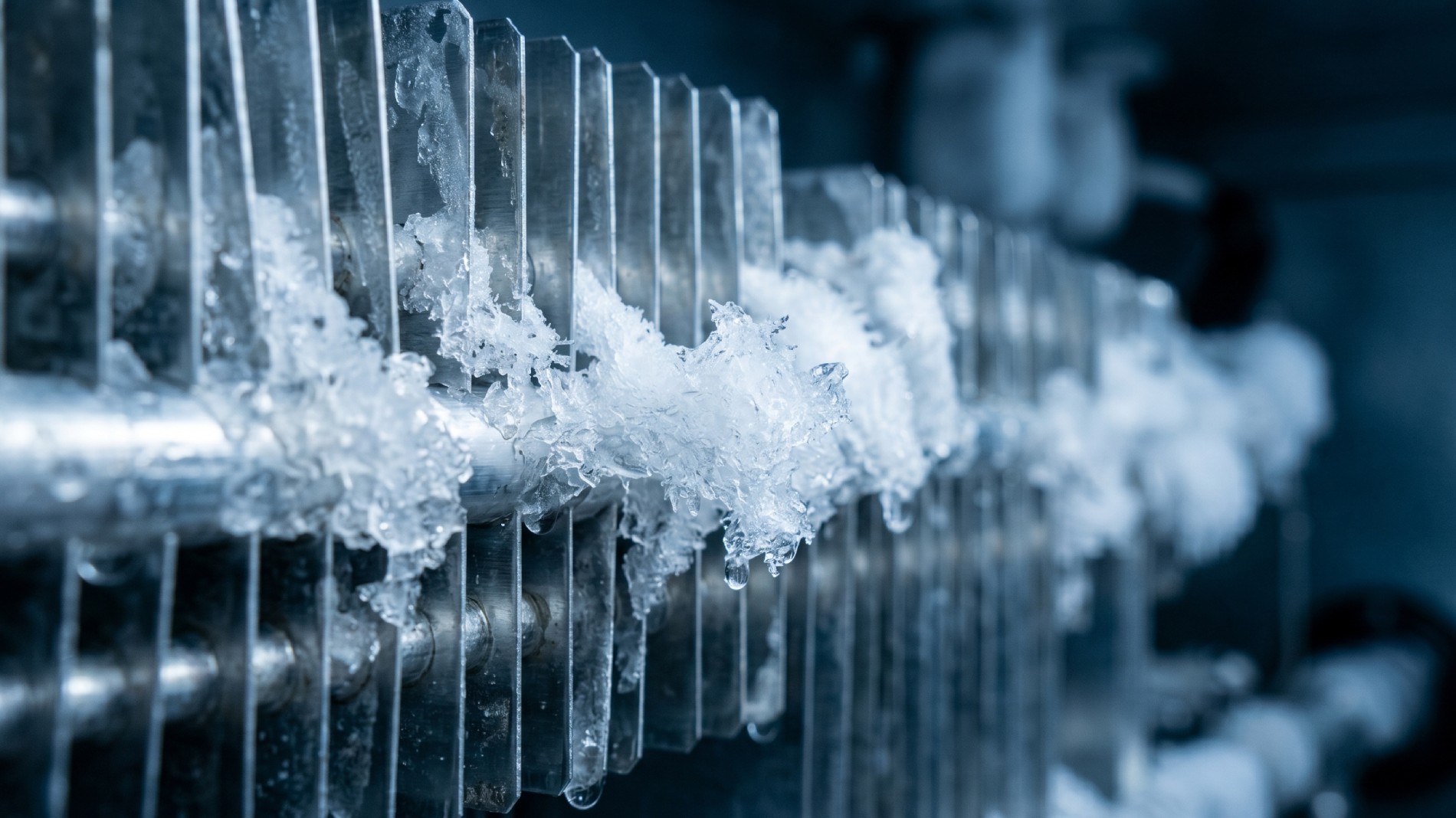
The invisible vapour condenses into visible liquid water droplets. Now, take a moment to imagine this exact same thermodynamic process happening inside an enclosed environment that is operating well below the freezing point of water. Instead of turning into liquid sweat and running down a glass, that airborne moisture instantly crystallises into solid frost on the nearest cold surface. This is the fundamental, underlying reason behind your commercial freezer freezing over. Every single time your staff open the cabinet door, a massive wave of warm, humid kitchen air rushes aggressively into the unit. The refrigeration cooling system immediately detects this temperature spike and works to lower the temperature of that newly introduced air. The moisture condenses on the absolute coldest surface available inside the box, which is universally the aluminium evaporator coil, and freezes completely solid.
Identifying Faulty Door Seals and Gaskets
When you are faced with a cabinet completely full of unwanted ice, you need to know exactly where to look first to begin your diagnosis. The door seal, commonly known as a gasket, is your appliance’s primary line of defence against the harsh outside environment. It is seemingly a simple rubber or magnetic strip, yet it plays a monumental role in the overall efficiency of your expensive equipment. When this vital seal is compromised, your system is fighting a losing battle every second of the day. Think of your walk-in or reach-in freezer exactly like a submarine submerged deep underwater. If the main entry hatch does not seal perfectly tight, water gets in, and the entire vessel eventually sinks.
In your bustling kitchen, if the rubber gasket is split, torn, heavily soiled, or simply worn out from years of aggressive heavy use, it creates a constant, invisible breach. Warm, incredibly humid kitchen air seeps stealthily into the cabinet 24 hours a day, seven days a week. The refrigeration system never stops trying to cool this continuous influx of warm air, leading directly to a massive ice buildup commercial freezer issue. The delicate evaporator coils will quickly become completely overwhelmed by the moisture, forming a solid, impenetrable block of ice that completely blocks the necessary internal airflow required to keep your food safe. You might think a tiny tear is harmless. However, that tiny gap allows litres of invisible water vapour to enter the cabinet over a busy weekend.
How to Perform the Resistance Test
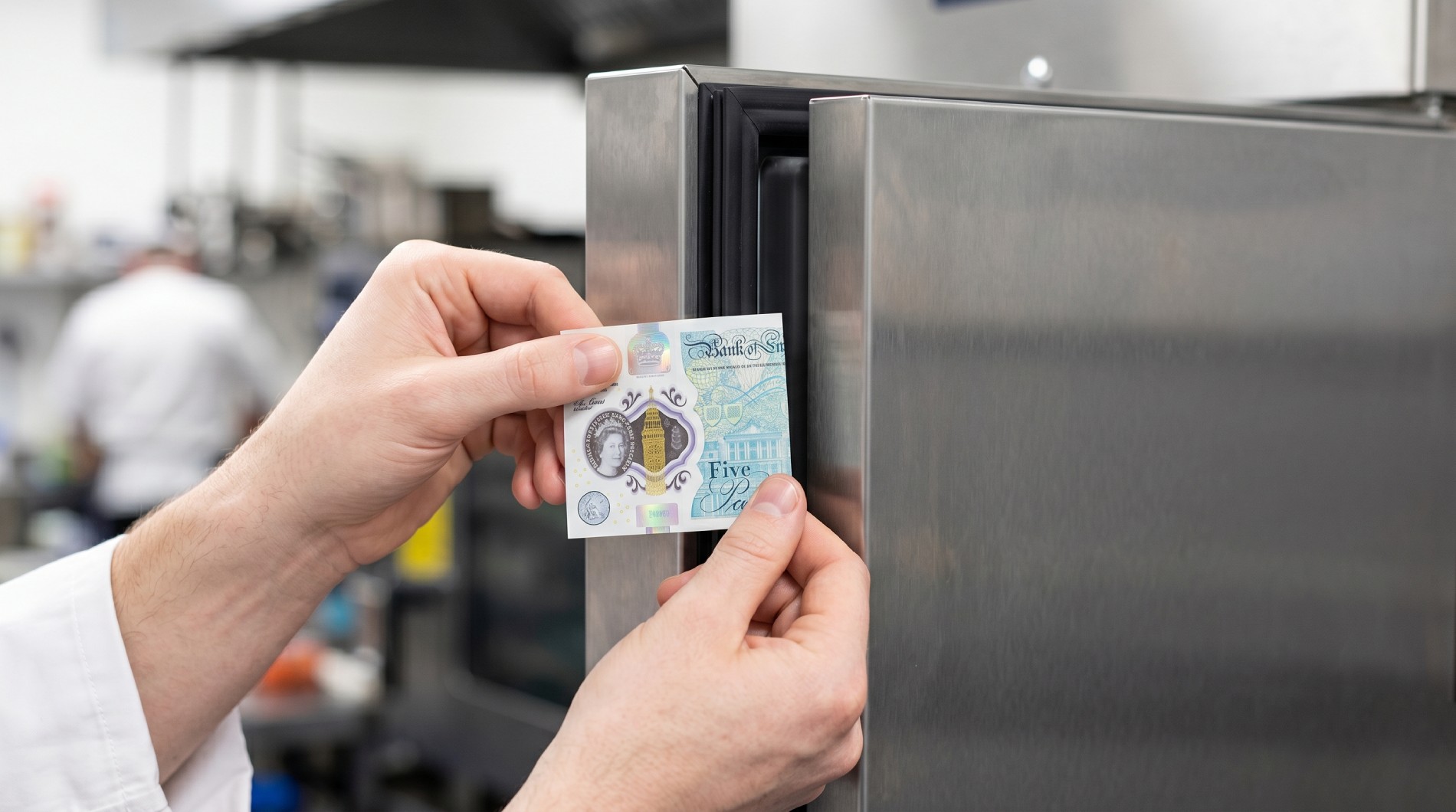
You can easily test the structural integrity of your door gaskets using the remarkably simple paper test. Close the freezer door firmly on a standard piece of paper or a polymer currency note. Try to pull the paper straight out towards you. You should feel a distinct, strong resistance holding the paper in place. If the paper slides out effortlessly without snagging, the magnetic seal is entirely broken, and air is freely entering the unit. You must perform this test along the entire perimeter of the door, checking the top, the bottom, and both vertical sides meticulously. A failure at any single point means the entire seal is compromised and requires your immediate attention.
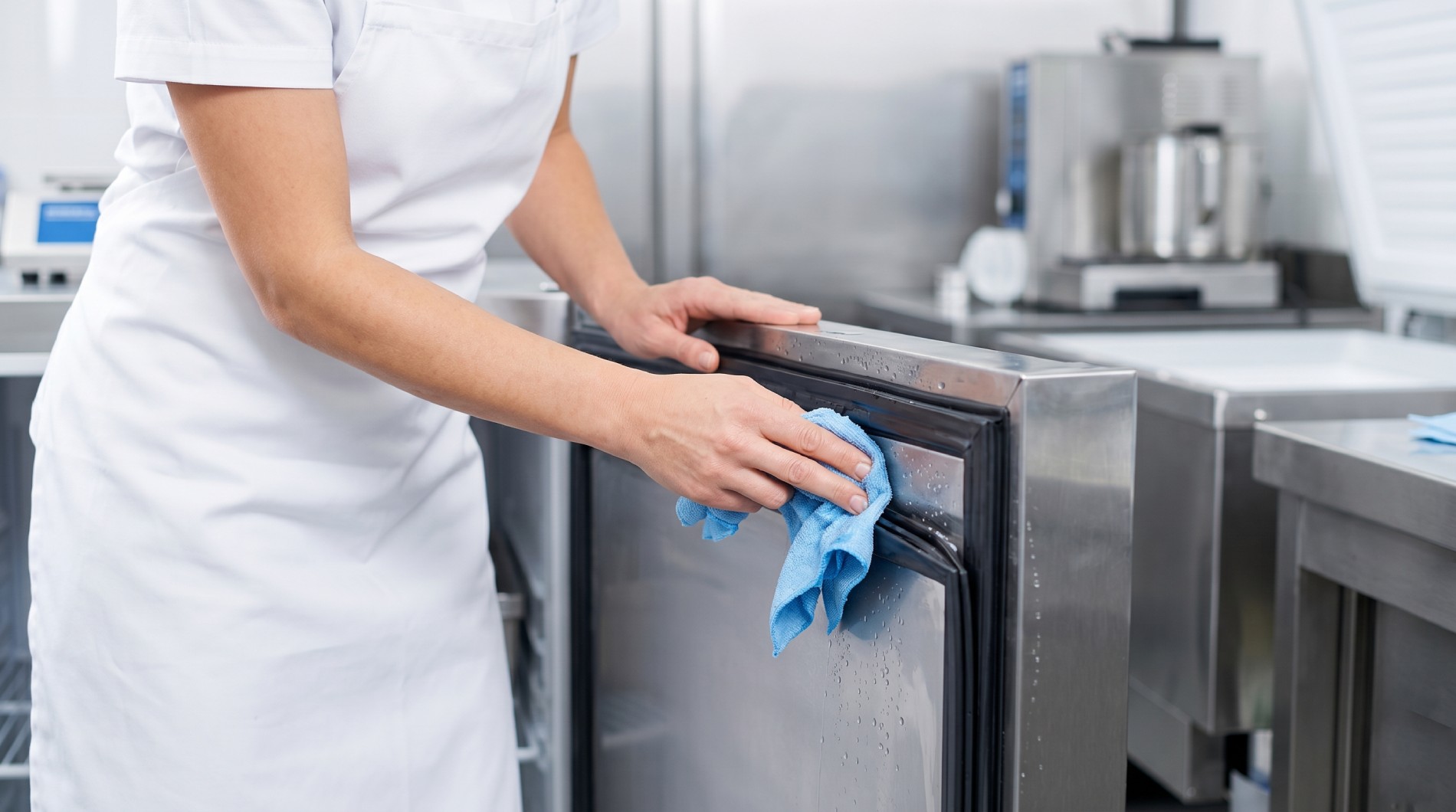
Furthermore, you must physically inspect the gaskets visually for any obvious signs of deep black mould, hairline cracks, or extreme brittleness in the material. Kitchen staff often accidentally spill heavy syrups, rich sauces, and sticky meat juices, which can easily run down the door and dry hard on the hidden folds of the gaskets. This sticky, sugary residue causes the rubber to physically glue itself to the metal frame of the cabinet. Consequently, the gasket will eventually tear violently when the door is pulled open forcefully during a busy service. Routine cleaning with mild, warm soapy water is absolutely essential to preserve the operational life of these crucial external components. If you find significant structural damage during your inspection, replacing the gasket is a relatively inexpensive and highly effective immediate repair that yields fantastic, instant results for your energy consumption and stops the ice dead in its tracks.
Step-by-Step Gasket Replacement
Replacing a worn gasket is usually a straightforward process that does not require an expensive engineer call-out. Most modern commercial seals simply push-fit snugly into a designated, engineered groove on the internal door frame. To begin, gently pull the old, damaged seal away from the frame, starting carefully from one of the top corners. Clean the newly exposed groove thoroughly with a commercial-grade antibacterial wipe or a mild sanitiser solution, as any trapped dirt or old grease here will definitively prevent the new seal from seating properly and forming an airtight lock. A clean channel is completely vital for a successful installation.
When you are preparing to install the brand new gasket, it vastly helps to soak the entire rubber piece in a sink of warm water for a few minutes first. This simple trick makes the industrial rubber much more pliable, softer, and significantly easier to manipulate with your thumbs. Start by firmly pressing the new seal tightly into the four corners first, ensuring they are anchored securely, then slowly work your way along the longer straight edges, pushing firmly until you feel the dart snap into the track. Once completely fitted, close the heavy door and ensure the gasket sits perfectly flush against the metal cabinet all the way around. A proper, fresh seal will instantly stop the silent influx of humid air and completely halt the rapid progression of your commercial freezer freezing over. You will notice an immediate improvement in temperature stability and a massive reduction in daily frost accumulation.
Navigating Blocked and Clogged Defrost Drains
Internal water management is arguably just as critically important as temperature management in the world of commercial refrigeration. If the naturally melted frost has absolutely nowhere to go during the cycle, it will simply pool and refreeze, creating a massive cascading problem that eventually encases all the vital internal components in solid ice. During a completely normal, healthy automated defrost cycle, an electrical heater gently and safely melts the white frost accumulated on the aluminium evaporator coils.
This resulting liquid water drips steadily down into a specially designated internal drain pan, flows smoothly through a narrow drain pipe, and empties safely into a heated vaporiser pan located outside the cold cabinet, near the hot compressor. Here, the heat from the running motor causes the water to harmlessly evaporate completely into the ambient room air. But what actually happens if that vital internal drain pipe becomes severely blocked? The liquid water simply pools deeply in the internal drain pan. Once the scheduled cooling cycle restarts and temperatures plummet, that pooled water freezes completely solid. With every single subsequent defrost cycle that occurs, more fresh water is added directly to the solid blockage, creating a continuously thickening sheet of dense ice at the very bottom of the cabinet that eventually creeps menacingly upwards towards the spinning fans and delicate coils. 💧
Why Do Drains Become Obstructed?
A clogged drain is a surprisingly common, yet highly frustrating, reason for a commercial freezer freezing over. In an incredibly busy, high-volume catering environment, small, seemingly harmless particles of food debris, torn cardboard packaging labels, and even a natural buildup of pink bacterial slime can easily find their way into the exposed internal drainage system. Think of it exactly like the guttering on your house during autumn. A few dead leaves seem harmless initially, but they quickly accumulate, block the downpipe, and cause rainwater to cascade violently over the edges.
Still, clearing this specific blockage is usually a straightforward, albeit slightly messy, maintenance task. You can very often resolve it quickly by carefully pouring a generous mixture of very warm water and a mild, food-safe sterilising solution directly down the visible drain hole. The heat from the water will gently melt the solid ice plug, while the liquid flushes away the trapped organic debris. Some experienced technicians use a specialized, highly flexible wire brush or extremely low-pressure compressed air to safely clear out particularly stubborn, deep-seated clogs. Regardless of the specific method you choose to use, ensuring the drain always runs perfectly clear is absolutely vital for the health of the machine. If you ever notice a suspicious puddle of solid, clear ice forming ominously on the stainless steel floor of the cabinet, the internal drain is the very first place you should investigate to halt a massive ice buildup commercial freezer crisis.
Safe Unblocking Techniques
When attempting to clear a severe blockage, you must safely remove the existing surface ice first. Never, under any circumstances, use sharp metal tools like chef’s knives, flathead screwdrivers, or traditional ice picks to aggressively chip away at the solid block. The internal metal walls and the pressurised evaporator coils hidden directly behind the thin panels are incredibly delicate. Accidentally puncturing a pressurised refrigerant line with a slipped screwdriver will instantly destroy the appliance and illegally release harmful, ozone-depleting gases into your kitchen environment. The Health and Safety Executive provides strict guidelines on the safe handling of pressurised equipment, and a punctured coil requires an incredibly expensive specialist repair.
Instead, you must patiently perform a full manual defrost. Transfer all your valuable perishable stock immediately to a reliable backup unit. Unplug the affected freezer entirely from the mains power supply and prop the heavy doors wide open. Allow the natural ambient room temperature to melt the thick ice completely naturally. You can certainly place shallow bowls of steaming hot water inside the dark cabinet to gently speed up the melting process, but absolute patience is essential here. Once all the ice has finally melted and the resulting water is completely mopped up, carefully locate the main drain hole. Pour your warm water solution down the pipe. If it drains away instantly with a satisfying gurgle, the line is fully clear. Flush the system thoroughly until the water flows freely into the exterior drip pan, ensuring you eradicate a major hidden cause of unwanted frost.

Decoding Broken Defrost Timers and Heaters
The internal defrost system is essentially both the intelligent brain and the raw muscle behind keeping your expensive unit completely frost-free. When these hidden internal electrical components fail, the appliance totally loses its mechanical ability to shed the natural, unavoidable frost that accumulates rapidly during standard daily operation. The defrost timer is fundamentally an electrical clock that dictates exactly when the main compressor should temporarily pause its cooling efforts, and precisely when the heating element should engage to melt the ice.
In much older, legacy mechanical refrigeration systems, this is literally a physical rotating dial with pins, while almost all modern commercial units utilise highly complex, programmable digital controllers. The timer operates strictly on a set, repetitive schedule, perhaps automatically initiating a crucial 20-minute defrost cycle every six hours without fail. If the mechanical timer breaks internally and gets permanently stuck in the active cooling phase, the heater will never receive the signal to turn on. The internal frost simply builds and builds indefinitely, inevitably resulting in a highly severe ice buildup commercial freezer scenario that ruins food. Contrarily, if the timer functions perfectly but the delicate defrost heater element itself has burned out or snapped, the end result is exactly the same disaster. The system actively tells the heater to turn on, but absolutely no heat is physically produced to melt the stubborn ice off the chilled coils. 🔧
The Defrost Termination Thermostat
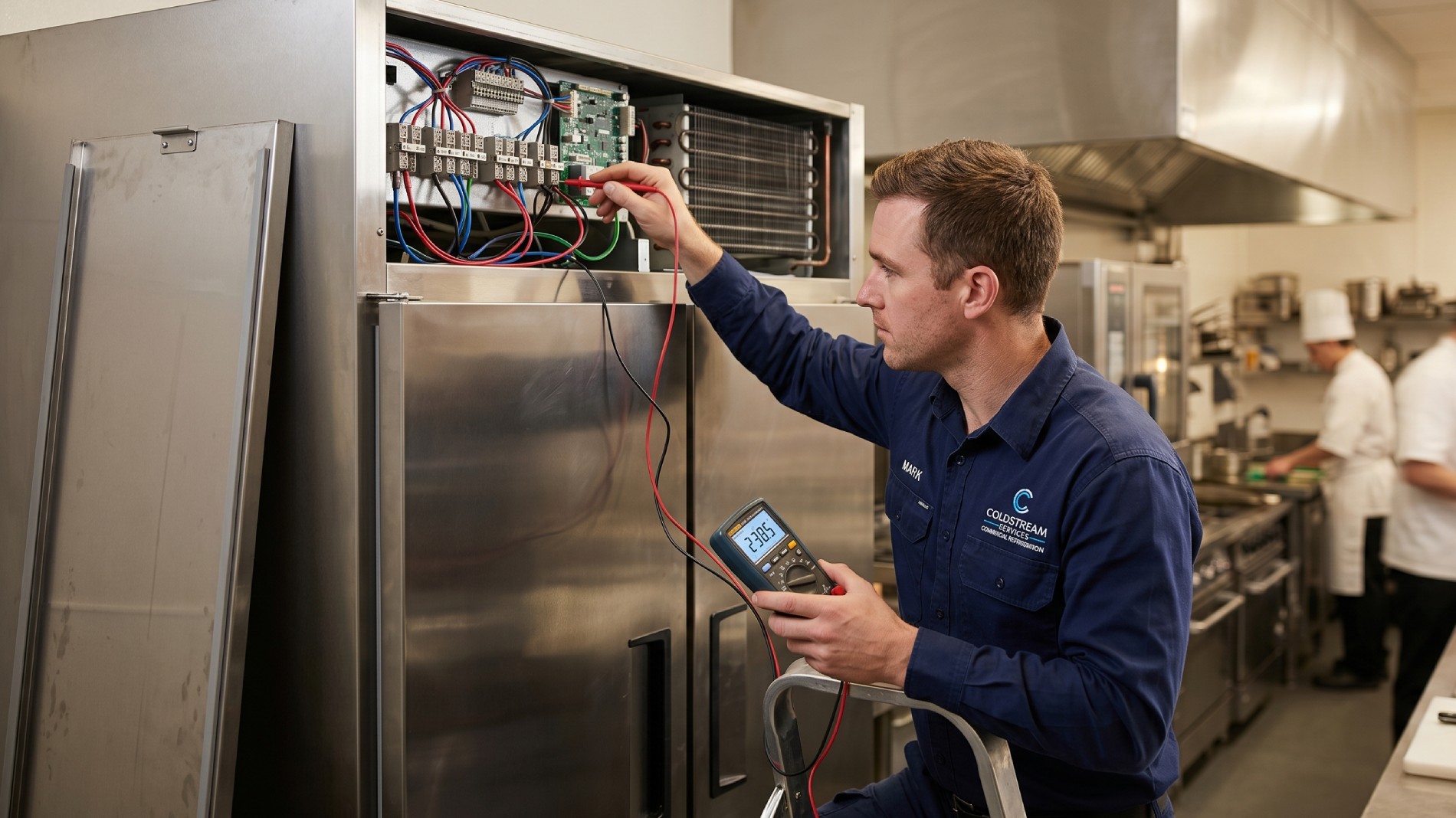
Troubleshooting these specific, highly sensitive internal electrical components requires a bit more advanced technical expertise and usually necessitates the use of a digital multimeter. A trained technician will first check the central timer to ensure it actively advances through its programmed cycle correctly. They will also meticulously test the heating element for electrical continuity to see if the circuit is unbroken. If the thin heater element has snapped physically or shorted out electrically, it must be completely replaced immediately with an Original Equipment Manufacturer part.
Moreover, there is an unsung hero component called the defrost termination thermostat. This vital sensor actively tells the heater to shut off immediately once the ice has successfully melted. This prevents the interior of the cabinet from getting dangerously warm and spoiling the food. Think of it like the thermostat on your central heating at home; it tells the boiler to stop firing once the living room reaches a comfortable twenty degrees. If this specific thermostat fails and remains stuck in the open position, the main system might stubbornly skip the defrost cycle entirely in a misguided attempt to protect the food temperature. Alternatively, if it sticks closed, the heater might run continuously, causing temperatures to soar dangerously high. Dealing directly with live mains electricity and extremely delicate thermal sensors is intimately involved in this process. So, we always strongly advise that testing these specific internal parts is best left to a fully qualified, insured refrigeration engineer to prevent accidental, further costly damage.
Evaporator Fan Failures and Airflow Disruption
Airflow is the absolute lifeblood of any effective commercial refrigeration system. Even if your cooling coils are working perfectly and your door seals are totally pristine, a failure in moving that chilled air around the cabinet will result in a commercial freezer freezing over. The evaporator fans are responsible for pulling warm air over the freezing coils and pushing the newly chilled air back out into the storage area.
Imagine sitting in a stuffy, hot office during a heatwave. The air conditioning unit might be producing cold air in the corner, but without a desk fan to circulate that air around the room, you will remain uncomfortably hot while the corner of the room freezes. Your freezer works exactly the same way. If the internal evaporator fans fail to spin, the freezing cold air simply gathers tightly around the delicate aluminium coils. This intensely localised pocket of extreme sub-zero temperature causes the minimal moisture in the air to freeze instantly and aggressively directly onto the metal. The coils quickly become completely encased in a thick, solid block of ice, whilst the rest of the spacious cabinet remains dangerously warm. Your food thaws on the front shelves, yet you still have a massive ice buildup commercial freezer problem at the back. It is a highly deceptive and incredibly destructive mechanical failure.
Recognising Fan Motor Issues
Identifying a faulty evaporator fan is relatively simple once you understand exactly what to listen for. When you open your freezer door, you should immediately hear the distinct, powerful hum of the internal fans running. Many modern commercial units are designed to shut the fans off momentarily when the door opens to prevent blowing all the cold air out into the kitchen. However, you can easily trick the system by manually pressing the small door switch with your finger while the door is open.
Listen closely. Do the fans spin back up powerfully? If you hear absolutely nothing, or if you hear a strained, electrical buzzing sound without any physical air movement, the fan motor is likely dead or jammed. Sometimes, the issue is not a burned-out motor, but rather a physical obstruction. In an overpacked freezer, a poorly placed cardboard box or a stray plastic bag can get sucked directly into the fan guard, completely jamming the spinning blades. Furthermore, if a defrost issue has already started, ice can actually build up so thickly around the fan housing that it physically stops the blades from rotating. You must quickly turn off the unit, safely melt any obstructing ice, and check if the fan spins freely by hand. If the blades are completely stiff or the motor has failed electronically, a swift replacement is necessary to restore vital airflow and protect your valuable inventory.
Thermostat Calibration and Temperature Control
Sometimes the most complex mechanical problems stem from the simplest of user errors. The main thermostat dictates the overall internal temperature of your storage unit. If this tiny component is incorrectly calibrated, severely damaged, or simply set far too low by an overzealous kitchen staff member, you will inevitably experience a commercial freezer freezing over.
Many chefs operate under the mistaken belief that setting the freezer to the absolute lowest possible temperature will somehow make the food safer or the appliance work better. This is completely false. Think about driving a car; pressing the accelerator pedal firmly to the floor constantly will certainly make you go fast, but it will absolutely destroy your engine and waste vast amounts of fuel. Setting your freezer thermostat to extreme lows forces the heavy compressor to run almost constantly without its required rest periods. This relentless cooling cycle drastically lowers the temperature of the evaporator coils beyond their intended design limits. Consequently, any tiny amount of ambient moisture that enters the cabinet instantly flash-freezes onto the coils into rock-hard ice before the automated defrost cycle ever has a chance to manage it properly. It is a completely self-inflicted ice buildup commercial freezer scenario.
Setting the Correct Temperature
Calibrating your thermostat correctly is a fundamental requirement for efficient kitchen operation. The Food Standards Agency mandates that frozen food must be stored at minus 18 degrees Celsius (-18°C) or colder. However, setting your digital controller to exactly -18°C or perhaps -20°C is perfectly sufficient for absolute food safety and optimal appliance efficiency.
You should absolutely avoid plunging the settings down to -25°C or -30°C unless you are operating a highly specialised blast freezer designed explicitly for that specific purpose. Take a moment to regularly verify the internal temperature using a completely independent, high-quality digital probe thermometer placed right in the centre of the cabinet. Compare this accurate manual reading to the digital display on the front of your appliance. If there is a massive discrepancy of more than two or three degrees, your main temperature probe may be faulty, or the controller requires professional recalibration. A faulty probe might falsely tell the computer that the cabinet is dangerously warm, forcing the compressor to run continuously and freeze the coils solid. Maintaining the correct, balanced temperature ensures your food remains perfectly safe while giving your mechanical components the vital rest they need to perform efficient, regular defrost cycles.

Environmental Triggers and Kitchen Habits
Sometimes the expensive equipment itself is functioning absolutely perfectly, yet you still frequently experience a commercial freezer freezing over. In these frustrating instances, the specific way the appliance is used daily, and the ambient environment it constantly sits in, are the actual hidden culprits. Simple human error and chaotic kitchen dynamics naturally play a massive, often underestimated role in overall refrigeration efficiency.
- Excessive Ambient Humidity: If your commercial kitchen is poorly ventilated without proper extraction, furiously boiling pasta pots and massive industrial dishwashers pump immense amounts of heavy steam directly into the ambient air. Every single time the freezer door opens, it violently sucks in this dense, wet air, drastically accelerating internal frost formation. Improving your overarching kitchen extraction system is therefore vital for appliance health.
- Leaving the Door Open: It sounds incredibly simple, yet it happens constantly in every busy restaurant. Floor staff routinely prop the heavy door open with a heavy box of chips while slowly unloading a massive morning delivery. This prolonged, unnecessary exposure to warm ambient air completely overwhelms the delicate cooling system instantly. Implementing and enforcing a strict, non-negotiable “close the door” policy is absolutely necessary for long-term reliability.
- Overstocking the Cabinet: A standard commercial freezer absolutely requires adequate, uninterrupted internal airflow to function as intended. If you stubbornly pack cardboard boxes tightly against the internal back walls and accidentally block the main evaporator fans, the freezing cold air simply cannot circulate properly.
- Introducing Hot Food: Placing heavily warm or piping hot food directly into the deep freezer creates a massive internal thermal shock. It quickly releases heavy, wet steam directly into the sealed freezing environment. You should always strictly use a dedicated, powerful blast chiller to safely bring food temperatures down rapidly before moving that stock.
- Proximity to Heat Sources: Foolishly positioning your upright freezer directly next to a roaring commercial pizza oven or a bubbling deep fat fryer forces the sensitive appliance to work constantly in an artificially hot, highly stressful micro-climate. The extreme ambient temperature differential naturally puts undue, heavy stress on the compressor.

The Financial Repercussions of Ignoring Ice Accumulation
Ignoring a commercial freezer freezing over is a highly dangerous financial gamble that absolutely no sensible hospitality business can realistically afford to take. It is demonstrably a serious, progressive mechanical failure that actively drains your hard-earned profits in multiple, compounding ways.
First, take a moment to seriously consider your skyrocketing monthly energy bills. Solid ice is an incredibly effective natural insulator. When it thickly coats your vital evaporator coils, the internal system simply cannot absorb heat from the sealed cabinet effectively. The main compressor, which is undeniably the most power-hungry electrical component in the entire appliance, must then run continuously without a break to try and forcefully reach the programmed set temperature. This excessive, non-stop running time reliably causes a massive, highly noticeable spike in your electricity consumption. According to guidance provided by the Carbon Trust, poorly maintained refrigeration equipment can consume up to 20% more energy, a hidden cost that cuts directly into your tight operational margins every single day the ice remains. 💡
Premature Compressor Failure
Second, consider the severe mechanical strain placed on the absolute heart of the machine. A standard commercial compressor is specifically designed to cycle on and off periodically throughout the day. Forcing it to run constantly, under extreme thermal load due to ice-blocked coils, will inevitably cause the internal motor windings to overheat and burn out prematurely.
Replacing a massive commercial compressor is a highly expensive, complex repair, often costing almost as much as purchasing an entirely new unit altogether. Furthermore, you must consider your highly valuable food stock. If the freezer physically cannot maintain a consistent, legally safe sub-zero temperature due to heavily blocked airflow and highly inefficient cooling, your frozen goods are at severe risk. Constant temperature fluctuations reliably lead to severe freezer burn, which completely destroys the cellular texture and delicate taste of your premium ingredients. If the internal temperature rises significantly above the strict legal safety limits, you risk dangerous, rapid bacterial growth and must legally discard the compromised stock entirely. The devastating financial cost of replacing thousands of pounds worth of spoiled prime beef cuts, delicate seafood, and laboriously prepared meals far outweighs the minor cost of a simple routine gasket replacement. Tackling an ice buildup commercial freezer issue immediately protects your bottom line.

Establishing a Rigorous Preventative Maintenance Routine
The absolute best way to professionally handle a commercial freezer freezing over is to actively prevent it from ever happening in the first place. A proactive, highly disciplined approach to daily maintenance is vastly superior, and significantly cheaper, than frantically reacting to an emergency breakdown on a fully booked Friday night.
Establishing a routine ensures that minor issues are caught immediately before they snowball into catastrophic, kitchen-closing events. It shifts your mindset from expensive reactive repairs to highly affordable preventative care. Think about going to the dentist; brushing your teeth daily and having a check-up every six months prevents the need for a highly painful and wildly expensive root canal. Your kitchen refrigeration demands that exact same level of dedicated, preventative respect to function profitably.
Daily Staff Responsibilities
Your absolute front-line defence against sudden refrigeration failure is the very staff who use the expensive equipment every single day. Ongoing education and strict daily routine are undeniably your most powerful tools for maintaining peak operational efficiency and guaranteeing food safety.
Does your busy kitchen team truly understand the severe financial impact of casually leaving a main freezer door slightly ajar? You must rigorously train your staff on the proper, manufacturer-recommended operational procedures. Implement a very strict “get in, get what you need, get out, shut the door” operational policy. Teach them exactly how to properly load the internal shelves, ensuring that large boxes are never pushed right up against the back metal walls or stacked precariously high enough to block the vital circulation fans. Explain clearly the importance of rotating stock quickly and efficiently to minimise the total time the heavy doors remain open to the warm room. Further, establish a brief, mandatory daily inspection routine. Have the head chef or the designated closing manager visually check all the rubber door seals for any signs of physical damage and quickly glance inside the cabinet for any highly unusual frost accumulation on the back panels before locking up. Catching a tiny tear on a quiet Monday avoids a massive ice buildup commercial freezer crisis by the busy weekend.
Bi-Annual Professional Servicing
While diligent daily staff checks are absolutely vital, they simply cannot replace the deep, highly technical inspection provided by a fully qualified, experienced refrigeration engineer. Think of it exactly like your personal car; checking the engine oil yourself on the driveway is great practice, but you still legally and practically need an annual MOT and a full mechanical service to ensure it is safe for the road.
You really should proactively schedule a comprehensive, professional service for all your commercial refrigeration equipment at least twice a single year. During these scheduled visits, a trained engineer will expertly perform essential tasks that are simply far beyond the technical scope and safety limits of your daily kitchen staff. They will safely deep-clean the exterior condenser coils, which very often become heavily choked with thick kitchen grease and airborne dust, forcing the hard-working compressor to dangerously overheat. They will meticulously check the internal refrigerant gas levels with digital gauges to ensure there are absolutely no microscopic leaks in the copper pipework. They will carefully recalibrate the digital temperature controllers, test the heavy electrical draw of the compressor motor with an amp meter, and rigorously verify that the automated defrost cycle is operating at absolute peak efficiency. A professional bi-annual service keeps the dreaded solid ice firmly at bay.
Premium Refrigeration Solutions from Display-Fridge Wholesale
If your current kitchen equipment is constantly battling severe ice buildup and costing you a small fortune in emergency reactive repairs, it might be the absolute perfect time to consider a complete, highly efficient equipment upgrade. We at Display-Fridge Wholesale proudly offer an exceptional, comprehensive range of highly durable commercial fridges and freezers, all meticulously manufactured by the industry-leading brand Frost-Tech. Our incredibly extensive catalogue is specifically designed to meet the incredibly rigorous daily demands of the bustling UK hospitality sector, from busy high street cafes to massive restaurant kitchens. We completely understand that reliable temperature control and consistent, heavily frost-free operation are absolutely non-negotiable for your daily culinary success and your strict legal compliance. By investing heavily in our modern, highly advanced refrigeration technology, you instantly eliminate the incredibly stressful daily worry of a commercial freezer freezing over. Our premium freezers feature highly advanced automated defrost systems, incredibly powerful internal evaporator fans for absolutely perfect airflow, and highly robust, easily replaceable magnetic door gaskets that form an impenetrable lock against humid ambient air. Upgrading your kitchen infrastructure with our premium wholesale equipment not only absolutely guarantees strict food safety compliance for the FSA but also drastically slashes your massive monthly energy expenditures. Let us thoroughly explore some of our absolute top-tier, highly recommended refrigeration solutions that will perfectly suit your specific operational requirements and physically prevent any future freezing disasters in your professional kitchen environment. 🌟
👉 SHOP OUR COMMERCIAL FREEZERS
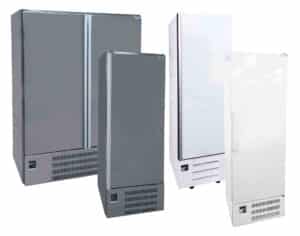
Robust Frost-Tech Upright Storage Freezers
When you desperately need to safely store vast quantities of heavily prepped ingredients and highly valuable prime meat cuts, our standard and premium stainless steel upright storage freezers are the absolute perfect solution for your extremely busy back-of-house operations. These incredibly robust, high-capacity commercial units are meticulously engineered with highly powerful, fan-assisted cooling systems that actively force sub-zero air completely evenly across every single adjustable internal shelf. This extremely consistent, highly engineered internal airflow definitively prevents the highly dangerous localised cold spots that naturally cause a commercial freezer freezing over directly near the delicate evaporator coils. Furthermore, they are fully equipped with highly intelligent, fully programmable digital temperature controllers that automatically manage the absolutely critical defrost cycles with precise, pinpoint electronic accuracy. You and your hard-working chefs will never again have to violently chip away thick ice from delicate internal coils with sharp kitchen tools. With incredibly tough, visually stunning stainless steel exteriors and highly hygienic, easily sanitised internal chambers, these premium upright storage freezers proudly provide the ultimate long-term peace of mind for meticulous head chefs and highly stressed kitchen managers operating anywhere across the United Kingdom. Choosing the right heavy-duty upright unit ultimately means you are heavily investing in absolute reliability. By effectively managing the internal cabinet humidity and vigorously circulating the freezing air, these premium appliances actively fight against the daily influx of warm kitchen air that occurs during busy lunch services. Your highly valuable frozen inventory remains entirely safe, strictly avoiding the devastating financial losses associated with unexpected freezer burn and ruined stock.
High-Visibility Glass Door Display Freezers
If your thriving business heavily relies on highly lucrative impulse retail sales, our stunning white upright single and double glass door freezers offer the absolute perfect blend of brilliant product visibility and immense, reliable freezing power. These specifically designed retail units feature incredibly thick, double-glazed heated glass doors that actively and completely prevent exterior condensation, ensuring your highly profitable frozen goods are always displayed perfectly to your thirsty and hungry retail customers. The powerful, strategically placed internal LED lighting brilliantly illuminates your colourful retail packaging, whilst the highly efficient internal cooling system continuously works silently to aggressively hold the strict -18°C core temperature legally required by UK food safety law. Crucially, these premium wholesale units utilise highly robust magnetic door seals that snap tightly shut after every single customer interaction, completely locking out the warm, heavily moist ambient shop air that notoriously causes an aggressive ice buildup commercial freezer crisis. They actively act as an incredibly effective, completely silent 24/7 salesperson for your busy shop floor while simultaneously protecting your valuable frozen stock from thermal shock. By entirely preventing the dreaded internal frost accumulation on the viewing glass and the interior shelves, these specific models completely ensure that your customers always enjoy a completely unobstructed, highly attractive view of your premium frozen offerings, thereby naturally boosting your overall daily retail revenue. We strongly recommend these visually striking units for bustling convenience stores, modern independent supermarkets, and high-end artisanal food shops that want to brilliantly showcase their high-quality products without constantly battling maintenance issues.
Reliable Chest Freezers for Bulk Storage
For bustling, high-volume restaurants and large-scale catering businesses who absolutely need to securely store massive, heavy boxes of bulk ingredients for extended periods, our standard sliding lid chest freezers are an incredibly cost-effective and highly reliable wholesale option. Chest freezers are inherently far less prone to a severe commercial freezer freezing over simply due to their practical, historically proven physical design; when you briefly open the top sliding lid, the heavy, freezing cold air naturally stays trapped safely down inside the deep cabinet, rather than violently falling out into the warm, highly humid kitchen environment. Our premium Frost-Tech chest freezers come fully equipped with highly convenient, heavy-duty internal storage baskets, allowing your busy kitchen staff to perfectly organise their heavy stock and meticulously maintain the essential internal airflow required for safe freezing. They are incredibly energy-efficient, heavily insulated with high-density foam, and specifically built to easily withstand the notoriously demanding, heavy-handed environments of incredibly busy commercial UK kitchens, ensuring your bulk frozen goods remain perfectly preserved for months. By drastically reducing the massive loss of internal cold air during routine stock checks, these deep freezers require significantly fewer automated defrost cycles, which actively saves you a considerable amount of money on your massive monthly electrical utility bills while offering massive storage capacities. We thoroughly understand that long-term bulk storage absolutely requires unwavering thermal stability. Therefore, investing directly in these heavy-duty sliding lid units actively guarantees that your highly expensive bulk meat purchases and large bags of frozen vegetables are perfectly protected from the devastating effects of unwanted moisture and aggressive frost damage.
Highly Efficient Commercial Display Fridges
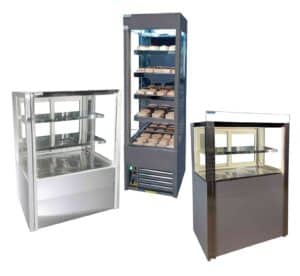
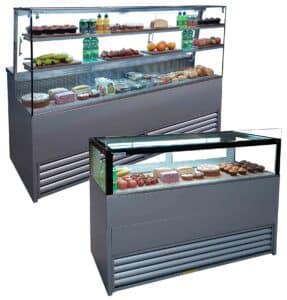
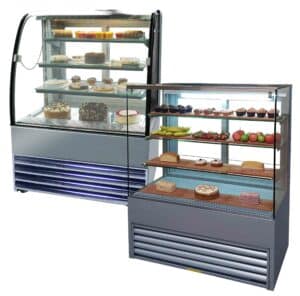
While securely managing your frozen stock is absolutely vital for long-term storage, we also proudly supply an incredibly wide variety of highly efficient commercial display fridges designed to perfectly complement your thriving hospitality or retail business. If you proudly run a bustling independent cafe, a fast-paced convenience store, or a high-footfall bakery, our premium grab & go sandwich fridges and highly stylish multideck fridge displays are absolutely essential tools for actively driving those highly lucrative, fast-paced impulse purchases. For your incredibly busy bar or wildly popular traditional British pub, our exceptionally sleek upright drinks fridges and highly robust under-counter coolers ensure your bottled craft beers and soft beverages are always served perfectly chilled to your highly expectant patrons. Exactly like our premium Frost-Tech freezers, all our display fridges heavily utilise highly advanced, vigorously fan-assisted cooling technology and completely reliable, fully automated defrost systems. We actively ensure that your valuable chilled goods are always perfectly protected at the absolutely correct core temperatures, entirely eliminating the immensely frustrating risk of unwanted interior frost and heavily reducing your daily manual maintenance burdens. We firmly believe that your valuable floor space should be highly profitable, which is why our exquisitely designed slimline fridges perfectly maximise your internal display capacity without aggressively dominating your valuable shop floor, allowing you to beautifully present the maximum amount of fresh produce. Upgrading to our premium multidecks or sleek patisserie display units absolutely guarantees that your beautifully crafted sandwiches, fresh salads, and delicate cream cakes remain visually stunning and entirely safe for public consumption, completely free from the damaging effects of poor refrigeration. 🥇

Resolving Your Freezing Over Issues
Dealing with a commercial freezer freezing over is undoubtedly a highly stressful experience for any manager, yet it is a highly solvable mechanical problem when approached logically and methodically. By fully understanding the basic underlying science of condensation and frost formation, you can easily and quickly identify the primary physical culprits. Whether it is a heavily torn rubber door gasket relentlessly letting in a steady stream of warm, wet kitchen air, a physically blocked internal drainage system causing standard defrost water to pool and freeze solid, or a totally failed internal electrical component fatally disrupting the automated defrost cycle, the practical solutions are very clear. Implementing remarkably simple daily checks, rigorously educating your kitchen staff on proper usage habits, and fully committing to a strict schedule of professional preventative maintenance will definitively keep your expensive equipment running efficiently for many profitable years. Remember, solid ice entirely belongs floating in your customer’s drinks, absolutely not caked thickly onto the internal walls of your essential commercial storage units. Stay highly vigilant, enthusiastically address minor issues early, and keep your professional kitchen operating completely smoothly.
We at Display-Fridge Wholesale proudly provide superior, highly reliable commercial fridge equipment to bustling hospitality markets all over the United Kingdom. We supply robust commercial refrigerators and high-capacity freezers to thriving businesses throughout England at an incredibly competitive wholesale price. Purchase a highly affordable, incredibly dependable commercial fridge now! Browse our highly extensive, premium-quality range online and fully equip your commercial kitchen for immense success today.

FAQs
Why does ice form rapidly around the door of my commercial freezer?
Ice forming specifically and heavily around the exterior door frame is almost always a very clear, undeniable indicator of a physically failing rubber gasket. When the magnetic seal is broken or the rubber is torn, warm, moist ambient air enters right at the delicate edge of the door, immediately condensing and freezing completely solid upon initial contact with the highly cold interior metal surfaces. Replacing the damaged door seal with a new, pliable one should resolve this frustrating issue instantly and protect your internal coils from excessive frost.
Is it safe to aggressively chip away ice from my commercial freezer?
Absolutely not. Using sharp, heavy metal tools like chef’s knives, flathead screwdrivers, or traditional hammers to forcefully chip away thick ice is highly dangerous and strongly discouraged. You severely risk permanently puncturing the incredibly delicate aluminium evaporator coils or the pressurised refrigerant lines hidden directly behind the thin metal panels. A single, tiny puncture will instantly release all the vital refrigerant gas, permanently ruining the expensive appliance beyond repair. Always perform a highly patient, natural, manual defrost instead.
How often should a standard commercial freezer go into an automated defrost cycle?
The exact frequency depends entirely on the specific manufacturer make, the exact model, and the ambient environment it operates in daily. However, a standard, modern commercial unit typically runs a vital 15 to 30-minute automated defrost cycle anywhere from two to four separate times a single day. If your specific unit is heavily used in an incredibly hot, humid kitchen environment, it may strictly require far more frequent defrosting parameters meticulously set by a qualified professional engineer to prevent an ice buildup commercial freezer scenario.
Can severely overstocking the shelves cause my freezer to freeze over?
Yes, it is an incredibly common, human-error cause. Commercial freezers heavily rely on powerful internal circulation fans to forcefully push the freezing air evenly throughout the entire sealed cabinet. If you stubbornly pack the unit far too tightly with large boxes and physically block these internal fans or the main air vents, the cold air becomes totally trapped directly near the cooling coils. This localised area of extreme cold rapidly causes the delicate coils to freeze completely solid, while the rest of the large cabinet gets dangerously warm.
Why is liquid water pooling constantly at the bottom of my internal freezer floor?
Water pooling deeply inside the main cabinet floor is a classic, undeniable sign of a severely blocked internal defrost drain. During the scheduled automated defrost cycle, the safely melting ice naturally creates liquid water that absolutely must drain away completely. If the internal pipe is physically clogged with dropped food debris, torn labels, or thick bacterial slime, the water violently backs up into the cold cabinet and will eventually freeze completely solid when the next scheduled cooling cycle inevitably restarts. Clearing the blocked drain line thoroughly is absolutely essential.
👉 SHOP OUR COMMERCIAL FREEZERS