
 0 items –
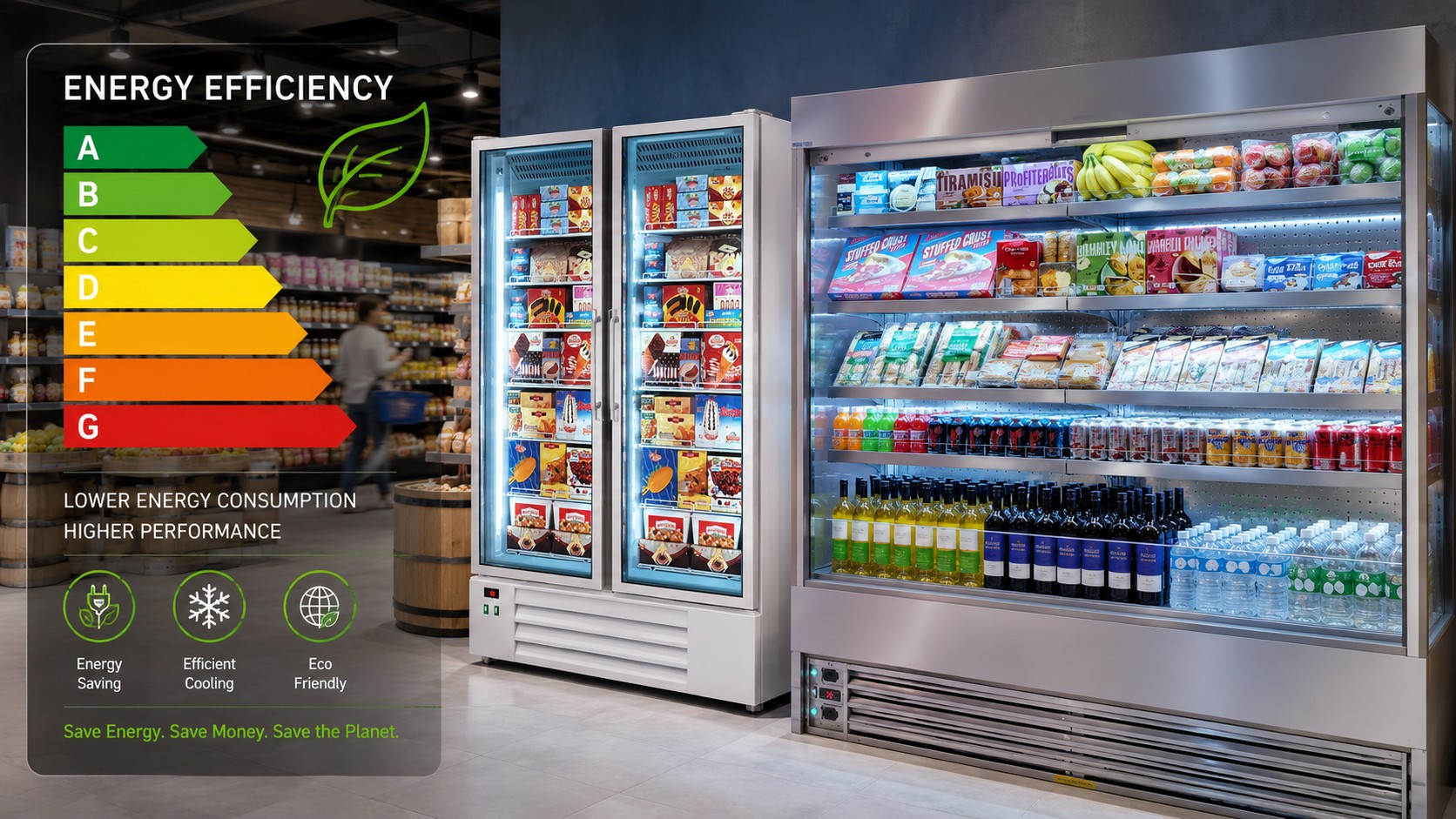
Running a hospitality business means managing a delicate balance of expenses, and your refrigeration equipment sits right at the heart of your energy usage. Every cafe, restaurant, or convenience store relies heavily on keeping stock chilled or frozen. Yet, the cost of running these essential machines can quickly eat into your profits if you ignore the mechanics behind them. Energy-efficient display refrigeration offers a direct path to lowering these overheads while keeping your food and beverages perfectly safe for customers. Think about your current monthly electricity bill. A significant portion of that cost comes directly from your cooling systems working day and night. Understanding the metrics that define how well your equipment performs changes the way you approach buying and maintaining your units. The most important metric to grasp is the Coefficient of Performance. Once you understand this straightforward equation, you gain the power to make highly informed decisions for your venue.




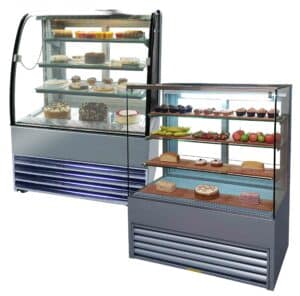
👉 SHOP OUR COMMERCIAL FREEZERS


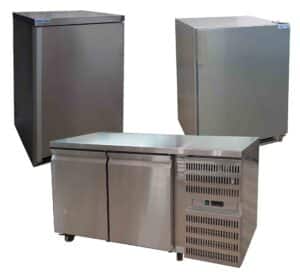

💡 Key Takeaways
- The Coefficient of Performance measures the ratio of cooling output to electrical energy input.
- A higher COP in refrigeration directly translates to lower monthly electricity bills.
- Energy-saving commercial chillers use advanced thermodynamics to maximise cooling while minimising power draw.
- Routine maintenance is absolutely essential to sustain commercial fridge efficiency over the lifespan of your equipment.
- Upgrading to eco-design display fridges reduces your carbon footprint while improving your bottom line.
Breaking Down the Equation
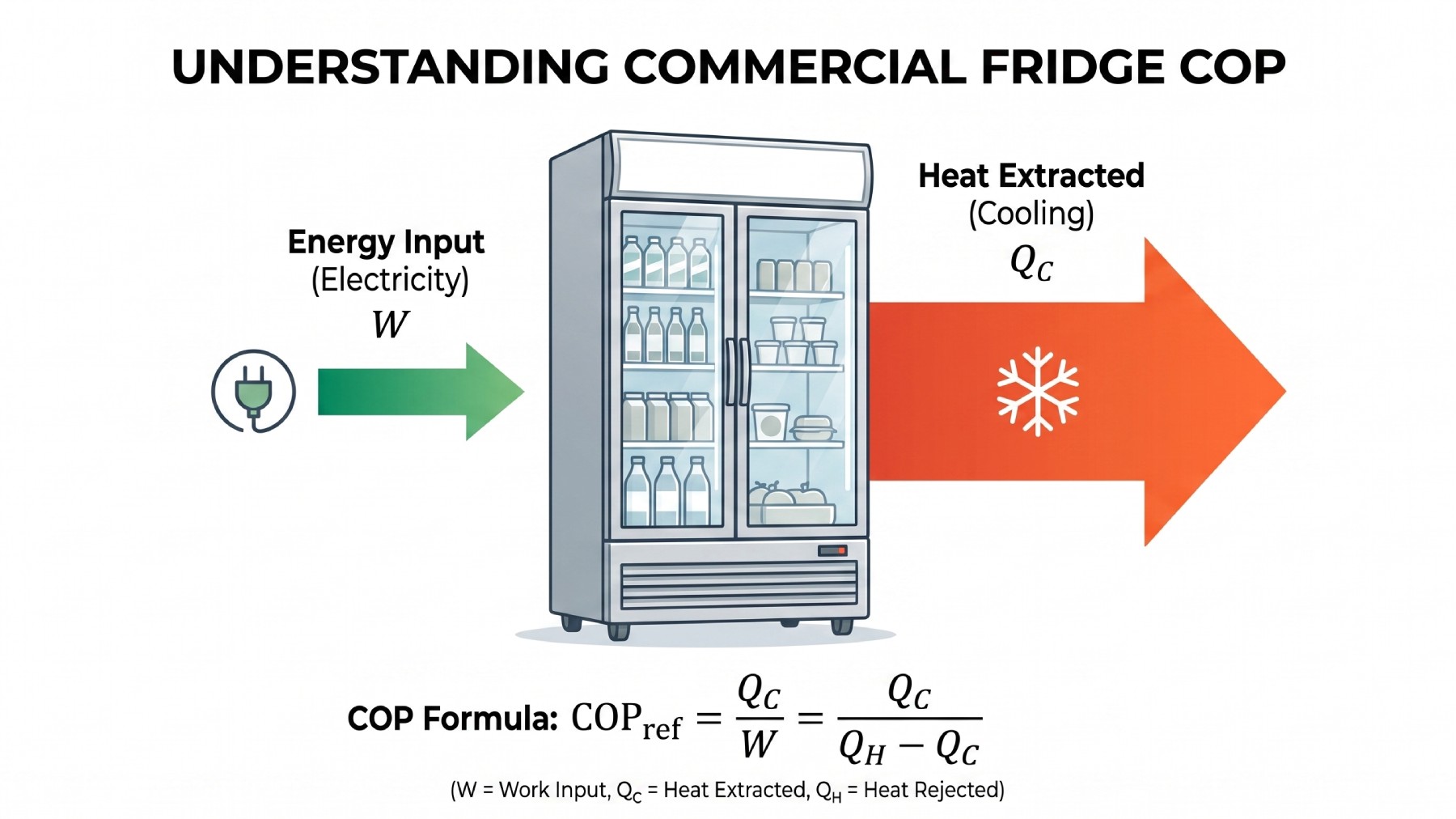
The image displays the standard theoretical formula for a refrigeration cycle. It is mathematically expressed as:
QC
W
=
QC
QH – QC
To simplify this concept into bite-sized chunks, we can define the variables clearly. The term QC represents the cooling output, which is the exact amount of thermal heat extracted from inside the cabinet. The W represents the electrical work put into the system by the compressor. Furthermore, QH stands for the total heat rejected into the ambient air of your room. Because energy cannot be created or destroyed, the mechanical work put in (W) is equal to the total heat rejected minus the heat successfully extracted (QH – QC).
Decoding COP in Refrigeration
Understanding the Coefficient of Performance is much easier than it sounds. Simply put, this metric tells you exactly how much cooling power you get for every unit of electricity your fridge consumes. If a refrigerator has a COP of 3, it removes three units of heat energy from the cabinet for every one unit of electrical energy it uses. Think of it like the fuel economy on a delivery van. A van that gives you 50 miles to the gallon is vastly superior to one that only gives you 20. So, when evaluating your equipment, a higher number is always the target.
Have you ever wondered why two fridges of the exact same size can have vastly different running costs? The answer lies entirely in their respective efficiency ratings. Manufacturers design standard units to hit basic temperature targets, often ignoring how much power the compressor requires to get there. Conversely, eco-friendly display fridges use precisely engineered components designed to maximise heat extraction with minimal electrical input. Still, achieving a high COP in refrigeration requires a combination of top-tier compressors, excellent insulation, and smart airflow management.
When you browse through various options, you will find that premium display fridges often boast a superior coefficient. This means the initial investment pays for itself over time through consistently lower utility bills. Anyway, it is always worth checking the technical specifications of your equipment. If you want to see these principles in action, you can easily explore our wide range of drinks fridges, which are specifically built to balance high visibility with exceptional thermal efficiency.
The Science Behind Commercial Fridge Efficiency
Every cooling unit relies on fundamental laws of physics to keep your products fresh. The core objective is never actually ‘making cold’, but rather removing heat from an enclosed space. Commercial fridge efficiency depends entirely on how effortlessly the system can transport that heat from the inside of the cabinet to the outside air. We measure this efficiency through rigorous testing, ensuring that modern equipment meets strict environmental guidelines. High-authority organisations, such as the UK’s Carbon Trust, continuously highlight the importance of investing in modern, compliant cooling technology to combat rising energy prices. Furthermore, understanding the science empowers you to troubleshoot minor issues before they become expensive breakdowns.
Thermodynamics Made Simple
To grasp how your equipment works, you need a basic understanding of the refrigeration cycle. Imagine using a sponge to clean up a spill. You press the dry sponge onto the water, it absorbs the liquid, you move it over the sink, and you squeeze it out. A commercial refrigerator works in exactly the same way, but it uses a chemical refrigerant to absorb and squeeze out heat. The cycle starts at the evaporator coil inside the cabinet, where the cold liquid refrigerant absorbs heat from the surrounding air and turns into a gas.
Once the refrigerant becomes a warm gas, the compressor takes over. The compressor is the heart of the system, acting like a powerful pump. It squeezes the gas, raising both its pressure and its temperature significantly. This extremely hot gas then flows into the condenser coil, which is usually located on the outside or bottom of the unit. Here, the heat escapes into the ambient air of your shop or kitchen, turning the gas back into a liquid. Finally, the liquid passes through an expansion valve, which drops its pressure and cools it down rapidly, ready to absorb heat inside the cabinet once again.
Energy-saving commercial chillers optimise every single stage of this cycle. By using high-quality evaporator fans, they ensure the heat transfers into the refrigerant as fast as possible. However, if any part of this cycle struggles due to poor design or lack of maintenance, the compressor has to work much harder. This extra work draws more electricity, instantly lowering your system’s overall efficiency. By maintaining your multideck open fridges properly, you allow this thermodynamic cycle to function exactly as the manufacturer intended.
Eco-Design Display Fridges and Modern Components
The components used inside modern commercial refrigeration have evolved dramatically over the last decade. Historically, systems relied on powerful but incredibly inefficient motors and harmful chemical refrigerants. Today, eco-design display fridges utilise highly refined, environmentally friendly hydrocarbon refrigerants like R290. These natural gases have excellent thermodynamic properties, meaning they can absorb and release heat far more efficiently than older, synthetic chemicals. Because they are so efficient, the compressor does not need to run as long or as hard, which massively improves the overall performance ratio.
Another massive leap forward is the integration of variable speed compressors. Older models featured compressors that were either completely off or running at maximum power. It was like driving a car and only using the accelerator pedal fully pressed down or fully released. Contrarily, a variable speed compressor adjusts its power output precisely to match the cooling demand. If the door has been closed for a while and the temperature is stable, the compressor slows right down, sipping a tiny amount of electricity to maintain the chill.
Advanced glass technology also plays a crucial role in modern commercial fridge efficiency. Single-pane glass lets heat pour into the cabinet, forcing the system to fight a losing battle against the ambient room temperature. Upgraded units feature double or even triple-glazed doors with argon gas injected between the panes to create an invisible thermal barrier. You can see this technology applied brilliantly in modern grab & go sandwich fridges, where customer visibility is paramount, yet thermal loss must be kept to an absolute minimum to preserve the delicate food inside.

Key Features of Energy-Saving Commercial Chillers
Identifying the right equipment requires knowing exactly which features contribute to a lower energy footprint. When you invest in a new unit, you are looking for specific technological integrations that actively reduce power consumption while maintaining strict temperature controls. Here are the main features that separate standard models from highly efficient, energy-saving commercial chillers:
- EC (Electronically Commutated) Fans: Traditional fan motors lose a lot of energy as heat. EC fans use brushless DC motors that run significantly cooler and use up to 70% less electricity while providing stronger, more consistent airflow throughout the cabinet.
- LED Illumination: Old fluorescent tubes generate excess heat inside the chilled environment, forcing the compressor to work harder to remove it. LED lighting produces crisp, bright light with almost zero heat output, lasting much longer and drawing a fraction of the power.
- High-Density Polyurethane Insulation: The thicker and denser the insulation within the cabinet walls, the slower heat can penetrate. Premium models use advanced, zero-ODP (Ozone Depletion Potential) injected polyurethane to lock the cold air inside.
- Smart Digital Controllers: These intelligent thermostats do more than just read the temperature. They monitor usage patterns, manage defrost cycles actively rather than on a set timer, and prevent the compressor from short-cycling during busy periods.
- Self-Closing Doors: Human error is one of the biggest causes of energy waste. Magnetic, self-closing gaskets ensure that doors seal tightly shut the moment a customer or staff member lets go, preventing precious cold air from escaping.
- Low-E Glass: Low-emissivity coatings on glass doors reflect infrared heat back into the room rather than letting it pass into the fridge.
These features work together seamlessly to boost performance. Whether you are browsing for elegant cake fridges or robust counter fridges, ensuring these energy-saving features are present will protect your bottom line for years to come.
Case Studies: Eco-Design Innovations in Display Refrigeration
Looking at real-world applications helps solidify exactly how beneficial these technological leaps really are. Consider a busy London cafe that recently decided to overhaul its entire front-of-house setup. They initially relied on outdated, open-fronted chillers that constantly fought against the warm air pumping from the espresso machines. Their energy bills were astronomical, and the compressor noise was a constant annoyance to seated customers. The business decided to transition entirely to enclosed, eco-design display fridges featuring R290 refrigerant and intelligent digital controllers.
The results were immediate and drastic. By closing the front of the displays with high-efficiency double glazing, the cooling systems no longer had to chill the ambient air of the cafe. The coefficient of performance across their new units was nearly double that of their old equipment. Within the first quarter, the cafe saw a 40% reduction in the electricity costs directly attributed to refrigeration. Moreover, the smart controllers adapted to their specific opening hours, running deep cooling cycles overnight when electricity tariffs were cheaper, and maintaining temperatures effortlessly during the day.
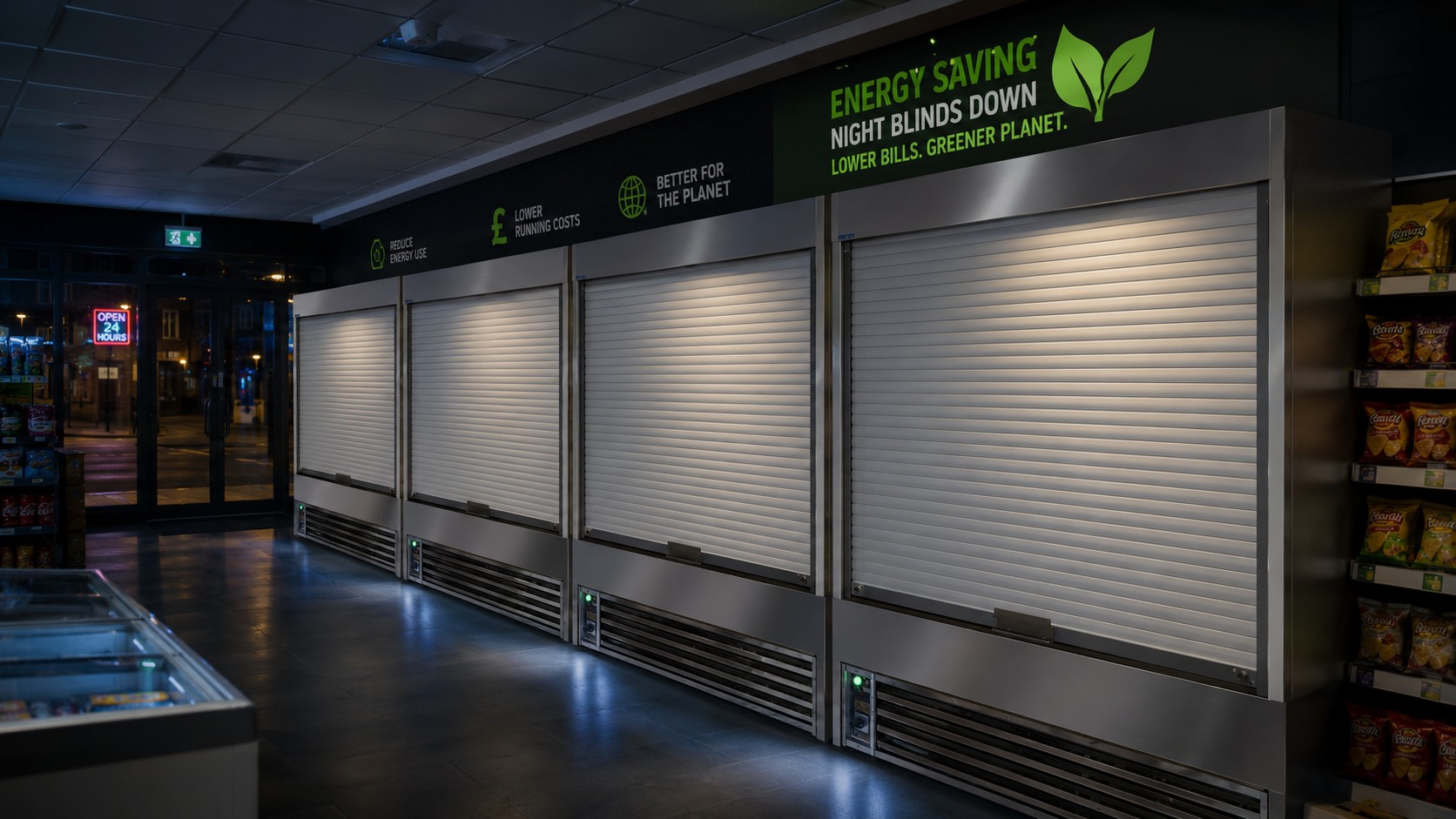
Another excellent example comes from an independent supermarket upgrading its meat and dairy aisles. They replaced their aging systems with modern multidecks fitted with EC fans and automated night blinds. By trapping the cold air during the hours the shop was closed, the compressors could rest for extended periods. The government’s Energy Technology List (ETL) highlights how such upgrades not only reduce operating costs but often qualify businesses for enhanced capital allowances. This supermarket recovered the initial purchase price of their new equipment within two years simply through the money saved on their monthly utility bills.
Maximising Your Energy-Efficient Display Refrigeration Returns
Buying top-tier equipment is only the first step in the journey. How you position, load, and look after your units dictates how well they will perform over their lifespan. Even the most advanced energy-saving commercial chillers will consume excessive power if they are forced to operate in punishing conditions. Think about running on a treadmill; it is relatively easy in a cool room, but try doing it in a sauna, and you will exhaust yourself completely. Your refrigeration equipment responds to its environment in exactly the same way.
Strategic Placement and Loading Practices
Where you put your fridge matters immensely. You must always ensure that the condensing unit—usually located at the bottom or the back—has plenty of room to breathe. If you push a fridge flush against a wall or box it in tightly with solid counters, the hot air expelled by the condenser gets trapped. The machine ends up sucking in its own hot exhaust, making it incredibly difficult to release the heat extracted from the cabinet. You should always leave a minimum gap as specified by the manufacturer to allow for adequate ventilation. Additionally, never place cooling equipment right next to ovens, fryers, or direct sunlight. Placing deli counter fridges away from hot kitchen pass-throughs ensures they maintain a high COP in refrigeration without straining the motor.
How you stock the shelves is equally important. Cold air needs to circulate freely around the products to keep them at a safe temperature. If you pack a fridge so tightly that the internal vents are blocked, the cold air cannot reach the items in the centre or at the front. The thermostat will sense the warm spots and force the compressor to run constantly, desperately trying to cool an area it physically cannot reach. Always use the designated load lines, and never block the internal fans. Leaving small gaps between products in your storage fridges ensures rapid, even cooling and drastically reduces the electrical load on the system.
Routine Maintenance for Optimal Performance
Maintenance is the invisible shield that protects your investment. The most critical task you can perform is cleaning the condenser coil. Over time, the condenser sucks in dust, flour, grease, and pet hair from the environment. This debris forms a thick blanket over the metal fins, acting exactly like a warm winter coat. When the condenser is insulated by dirt, the heat cannot escape into the air. The compressor then runs longer and hotter, drawing massive amounts of power and eventually leading to a complete mechanical failure. You should brush and vacuum the condenser coil at least once a month.
Gaskets, the rubber seals around the doors, also require strict attention. If a gasket splits or loses its magnetism, warm room air will leak continuously into the chilled cabinet. You can test this easily by closing the door on a piece of paper; if the paper pulls out with zero resistance, the seal is broken. Replacing a cheap rubber gasket can save you hundreds of pounds in wasted electricity. Furthermore, ensure the interior is cleaned regularly to prevent ice build-up on the evaporator coils. Excessive ice forces the system into prolonged defrost cycles. Maintaining under counter fridges with these simple steps ensures they run quietly, efficiently, and reliably throughout their service life.
Structuring Your Venue for Maximum Efficiency
Creating a seamless flow in your business involves matching the right style of equipment to the correct operational task. You do not want a massive, high-power unit running empty, nor do you want a tiny unit being opened and closed a hundred times an hour. Balancing your front-of-house customer displays with your back-of-house storage is the ultimate key to mastering commercial fridge efficiency. Organising your venue logically reduces door openings, limits thermal loss, and keeps your service fast and professional.
Selecting Front of House Displays
Front-of-house refrigeration is all about visibility and temptation. You need equipment that catches the customer’s eye while securely holding temperatures despite constant interaction. Countertop fridges are fantastic for driving impulse purchases right at the till point. Because they are compact, they use very little energy while showcasing high-margin items like chilled drinks or small treats. However, for a bakery or cafe, patisserie fridges are essential. These units feature large, sweeping glass fronts designed to prevent condensation, ensuring the products look stunning while a gentle, fan-assisted airflow keeps delicate creams from drying out.
When dealing with frozen goods on the shop floor, you need robust insulation. Display freezers offer excellent visibility for ice creams and frozen ready meals, utilising heated glass elements to stop the doors from freezing over. Alternatively, sliding glass chest freezers are incredibly efficient because cold air naturally sinks. When a customer slides the top glass open, the heavy cold air stays trapped inside the chest, resulting in almost zero thermal loss. Choosing the right visual displays guarantees you capture sales without wasting money on escaped cold air.
Optimising Back of House Storage
The kitchen and stockroom demand a completely different approach. Here, aesthetics do not matter; it is all about volume, durability, and raw cooling power. Upright storage fridges are the workhorses of the catering industry, built with heavy-duty stainless steel and thick insulation to handle the intense heat of a professional kitchen. Because chefs open these doors constantly during a busy service, the recovery time—how fast the fridge gets back down to temperature after the door closes—must be exceptional.
For bulk ingredients, you rely heavily on dedicated freezing solutions. Storage freezers provide the massive capacity needed to buy ingredients in bulk, saving you money on food costs. Upright glass door freezers can be used in kitchens where quick visual inventory checks are necessary, stopping staff from standing with the door open while they search for items. For specialist applications, such as a butcher shop or steakhouse, upright meat freezers provide the exact, stable sub-zero temperatures required to store raw meats safely for extended periods. Finally, positioning under counter freezers directly beneath prep stations keeps essential ingredients right at the chef’s fingertips, drastically reducing cross-kitchen traffic and keeping service running smoothly.
Frequently Asked Questions About Commercial Refrigeration Efficiency
What exactly is the Coefficient of Performance (COP)?
The COP is a simple ratio used to measure the energy efficiency of a cooling system. It compares the amount of heat extracted from the fridge to the amount of electrical energy the compressor consumes to do that work. A higher number indicates a more efficient machine that will cost you less to run.
How do eco-design display fridges save businesses money?
These advanced units incorporate highly efficient components like variable speed compressors, EC fans, and natural refrigerants. They require significantly less electricity to maintain safe food temperatures compared to older models. Over a year, this reduction in electrical draw can save a business hundreds of pounds per unit.
Are energy-saving commercial chillers worth the initial investment?
Yes, absolutely. While the upfront purchase price might be slightly higher than standard models, the dramatic reduction in monthly utility bills quickly offsets the difference. Furthermore, high-efficiency parts often experience less mechanical strain, leading to fewer breakdowns and a longer overall lifespan for the equipment.
Which refrigerants offer the best commercial fridge efficiency?
Hydrocarbon refrigerants, particularly R290 (propane) and R600a (isobutane), are currently the most efficient options on the market. They have excellent thermodynamic properties, allowing the system to transfer heat rapidly. They also have an incredibly low Global Warming Potential (GWP), making them environmentally friendly.
How often should we service our energy-efficient display refrigeration?
You should perform basic maintenance, such as cleaning the condenser coil and checking the door gaskets, at least once every month. However, a professional refrigeration engineer should inspect your systems thoroughly once a year to check refrigerant levels, test electrical components, and calibrate the digital thermostats.
What is the ideal temperature setting for drinks fridges?
For standard soft drinks, bottled water, and beers, the ideal thermostat setting is usually between 2°C and 5°C. Setting the temperature any lower than necessary forces the compressor to work continuously, wasting electricity and potentially freezing the liquids, which can cause bottles to burst.
Powering Your Business With Superior Refrigeration
Taking control of your energy costs doesn’t mean sacrificing the quality of your food or the appeal of your shop front. By grasping the basic principles of thermal dynamics and prioritising the coefficient of performance, you equip yourself to make intelligent, cost-effective purchasing decisions. Upgrading to modern, eco-friendly systems reduces your carbon footprint, lessens the strain on your local power grid, and leaves more money in your till at the end of every month. The technology exists to make your operations smoother, quieter, and vastly more profitable.
Display-Fridge Wholesale provides superior refrigeration equipment to hospitality markets all over the United Kingdom. We supply commercial refrigerators and freezers to businesses throughout England at a wholesale price. Purchase an affordable commercial fridge now! Visit our website to explore our extensive range and find the perfect cooling solution tailored precisely to your operational needs.
👉 SHOP OUR COMMERCIAL FREEZERS