
 0 items –

Learn essential broken commercial fridge food safety rules. Discover how long food lasts during a commercial power breakdown.
Have you ever wondered exactly when the countdown begins after your refrigeration equipment suddenly stops humming? When a sudden mechanical failure strikes a busy professional kitchen or retail space, panic often sets in. You rely on your chilling equipment to keep your stock fresh, safe, and legally compliant. So, when the compressor fails or the electricity cuts out entirely, understanding the strict time and temperature rules becomes absolutely critical to protect your customers and your business reputation. Think of your chilled storage as a giant, insulated thermos flask; when the cooling source vanishes, the insulation can only hold the cold air inside for a limited window of time.
Maintaining commercial fridge food safety is crucial for any hospitality or retail business. Bacteria are entirely invisible to the naked eye, yet they multiply at an astonishing rate when temperatures rise above the legal safe threshold. Have you considered how quickly a warm room can spoil a chilled pint of milk? The same scientific principle applies on a much larger scale inside your commercial kitchen. A power outage food safety commercial plan is your first line of defence against catastrophic inventory loss and severe health risks. We will explore the official guidelines, practical steps, and straightforward strategies to manage these stressful situations effectively, ensuring you remain fully compliant with UK food safety legislation. If you want to avoid these emergencies entirely, we highly recommend you discover our robust range of storage fridges to keep your ingredients perfectly chilled at all times.
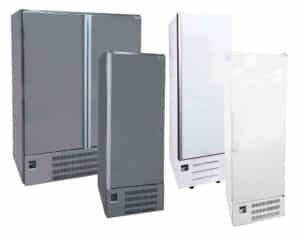


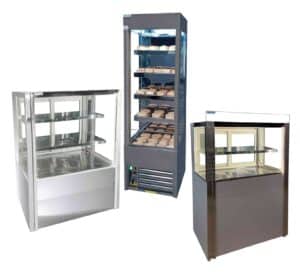

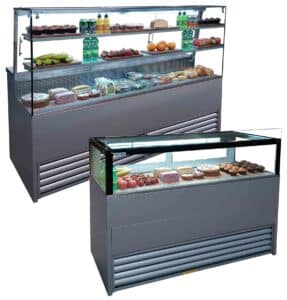

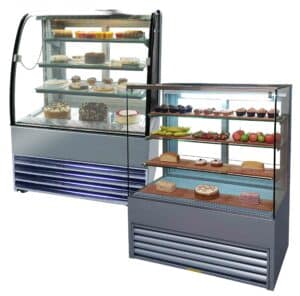
👉 SHOP OUR COMMERCIAL FREEZERS



💡 Key Takeaways
- Do not panic; keep the doors completely closed to trap the existing cold air inside the cabinet.
- The official UK guidelines allow a single four-hour window for chilled food to remain unrefrigerated before it must be consumed or destroyed.
- High-risk items, particularly raw meats, seafood, and dairy products, require immediate attention and strict temperature monitoring.
- A densely packed unit retains its temperature significantly longer than an empty one, acting like a large ice block.
- Investing in reliable, high-quality equipment drastically reduces the risk of sudden mechanical breakdowns happening in the first place.
The Core Principles of Temperature Control and Bacterial Growth
Understanding the basic science behind food spoilage helps you make quick, informed decisions during an emergency. In the United Kingdom, environmental health law dictates that cold food must be kept at 8°C or below. However, the ideal operating temperature for most professional refrigeration is between 1°C and 5°C. When a sudden mechanical failure occurs, the internal climate slowly begins to drift upwards, eventually entering what environmental health officers call the ‘Danger Zone’. This critical zone ranges from 8°C to 63°C. Inside this specific temperature bracket, harmful pathogens such as Salmonella, E. coli, and Listeria multiply rapidly.
Think of the Danger Zone like a warm, damp greenhouse on a sunny afternoon. If you leave a delicate plant in those conditions, weeds will sprout and take over almost instantly. Similarly, bacteria thrive and double in number every twenty minutes when given the right warmth and moisture. Still, your equipment possesses built-in insulation designed to resist this temperature change. The speed at which the internal temperature climbs depends heavily on the ambient temperature of your kitchen or shop floor. A breakdown during a sweltering July heatwave accelerates the spoilage process significantly compared to a failure on a freezing January morning. For authoritative guidance on temperature control, you can always refer to the official Food Standards Agency resources.
To manage broken commercial fridge food safety effectively, you must monitor the ambient environment constantly. This is precisely why having reliable storage units with thick, high-density polyurethane insulation is so beneficial. Quality insulation slows down the heat transfer, buying you precious extra hours. You must use a calibrated probe thermometer to check the core temperature of the food itself, rather than relying solely on the digital display of the broken unit. The air temperature rises much faster than the core temperature of a dense joint of beef or a large vat of soup. By understanding these thermal dynamics, you can confidently evaluate the situation and take appropriate action before the stock becomes hazardous to public health. To maximise your kitchen’s holding times during an emergency, we invite you to browse our heavy-duty upright storage fridges designed with premium thermal retention.
Immediate Actions Following a Power Outage
Reacting swiftly and methodically during a sudden failure is the absolute key to rescuing your valuable inventory. When the lights go out or the compressor falls silent, every single minute counts towards your legal safety window.
- Keep the appliance doors firmly shut at all times to lock the dense, cold air inside. Every single time you swing the door open, a massive wave of warm room air rushes in, immediately replacing the cold air.
- Document the exact minute the power failed or the breakdown was discovered. You need a precise starting point for your countdown timer.
- Check the fuse box and electrical connections first. Sometimes a suspected mechanical failure is simply a tripped breaker switch that can be resolved in seconds.
- Relocate your highly perishable items into secondary, fully functioning cooling units if you possess the spare capacity.
- Monitor the internal climate using a manual analogue thermometer if the digital displays are completely without power.
- Place a temporary sign on the door warning all staff members not to open the unit under any circumstances.
- Contact a qualified refrigeration engineer immediately to log an emergency repair call.
Handling a power outage food safety commercial scenario requires extreme discipline from your entire staff. It is deeply tempting to open the door just to check if things are still cold, but doing so destroys the thermal barrier. Think about sitting in a warm house during winter; if you leave the front door wide open, the heat escapes instantly. The exact same physics apply to your chilled appliances. Moreover, certain types of equipment lose their temperature much faster than others. For example, units without physical doors rely entirely on an invisible air curtain, which disappears the second the electricity cuts out. Consequently, food stored in open-fronted units is at the highest immediate risk and requires your urgent attention. If your retail space relies heavily on open displays, we suggest you buy our latest multideck open fridges or grab & go sandwich fridges, which feature advanced airflow technology designed to recover temperatures rapidly once power is restored.

Evaluating Specific Food Categories During a Failure
Not all ingredients react to warmth in the exact same way. The moisture content, acidity level, and preparation method heavily influence how quickly an item will spoil when the cooling system fails. Understanding these subtle biological differences allows you to prioritise your rescue efforts and minimise your financial loss.
High-Risk Items Like Meat and Dairy
High-risk foods are essentially items that support the rapid growth of harmful micro-organisms. These include raw and cooked meats, poultry, seafood, dairy products, cooked rice, and prepared salads. When dealing with broken commercial fridge food safety, these items are your absolute priority. They contain massive levels of protein and moisture, creating the perfect biological breeding ground for pathogens. According to strict UK environmental health standards, these specific ingredients must never be left lingering in the Danger Zone.
If the internal temperature of your unit exceeds 8°C, the clock starts ticking immediately for these high-risk ingredients. You must be ruthless in your assessment. It is vastly cheaper to throw away a batch of warm chicken than it is to face the severe legal and reputational consequences of causing widespread food poisoning. Anyway, if you manage a busy carvery, a bustling cafe, or a traditional butcher shop, you understand that raw proteins are highly volatile. This makes investing in highly reliable display technology crucial for displaying meats and cheeses safely. We strongly advise you to purchase our elegant deli counter fridges to present your high-risk produce beautifully while maintaining rigorous temperature control.
Handling Poultry and Raw Meats
Poultry is notoriously dangerous when handled incorrectly. The risk of Campylobacter and Salmonella contamination is incredibly severe in commercial catering. If raw chicken reaches 8°C for longer than the permitted legal window, it must be discarded immediately into the designated food waste bins. Do not attempt to cook it immediately in hopes of killing the bacteria. The powerful toxins produced by the bacteria during the warm period often survive the cooking process, meaning the food remains highly poisonous even if it is piping hot.
Your heavy meat joints and whole chickens act like thermal batteries, holding their internal cold far longer than sliced meats. Nevertheless, you must verify this with a sanitised probe thermometer. Never guess the temperature. If you need robust freezing power to keep your bulk meat purchases safe for months on end, you should absolutely explore our high-capacity upright meat freezers designed specifically for professional butchers and large-scale caterers.
Special Rules for Minced Meat
Minced meats require even stricter scrutiny during a mechanical failure. Because the meat has been mechanically ground, any surface bacteria have been thoroughly mixed throughout the entire batch. A solid sirloin steak only has bacteria on the outside, whereas beef mince has bacteria distributed everywhere. Therefore, minced meat spoils internally at a much faster rate than whole muscle cuts when left in a warm environment.
You must check minced products first when executing your emergency plan. If a large tub of mince feels warm to the touch or registers above 8°C on your probe, you cannot take any risks. The high surface area of ground meat provides endless feeding grounds for dangerous pathogens. Keeping minced meat heavily chilled right up until the moment of cooking is paramount. To ensure your prep stations have instant access to safe, chilled storage, you should check out our durable under counter freezers, perfect for tucking away safely beneath your worktops.
Low-Risk Items and Condiments
Contrarily, many items sitting on your shelves possess natural defensive properties against bacterial growth. High acidity, extreme saltiness, or low moisture content make certain foods remarkably stable, even when the ambient temperature rises. Whole, uncut fresh fruits and raw vegetables generally survive a short-term mechanical breakdown without any safety issues. Their natural skins protect them, much like the fruit bowl sitting on your kitchen table at home.
Similarly, hard cheeses, butter, and condiments heavily preserved in vinegar, like ketchup or mustard, are robust enough to withstand a temporary lapse in cooling. After all, many of these items were historically designed to last for months before modern electricity was even invented. Still, you must exercise professional judgement. While a bottle of commercially manufactured mayonnaise might survive a few hours of warmth due to its acidic formulation, a fresh, house-made garlic aioli containing raw eggs will certainly not. You can confidently leave low-risk items inside your display fridges while you focus your emergency efforts on rescuing the high-value, high-risk proteins mentioned earlier. If you wish to merchandise your low-risk bottled beverages and stable produce effectively, we encourage you to see our sleek drinks fridges.

The Official Four-Hour Rule During Mechanical Breakdowns
UK food hygiene legislation provides a very specific legal exemption designed to help businesses manage temporary situations. This is widely known as the four-hour rule. If your equipment suffers a sudden, unexpected mechanical breakdown, you are legally permitted to hold chilled food above 8°C for a single, maximum period of up to four hours. However, you must document this process meticulously.
This rule exists because environmental health experts understand that bacteria take a certain amount of time to multiply to dangerous, toxin-producing levels. Think of it like a parking meter; you have exactly four hours of grace period before the penalty applies. So, if you discover the failure at 10:00 AM, and the internal temperature has already breached 8°C, you have until 2:00 PM to either consume the food, cook it, or permanently discard it. You cannot simply chill the food back down once the four hours have elapsed. Once that specific time limit is reached, the food must be thrown away.
Furthermore, this four-hour exemption is a strict one-off allowance. You cannot combine two hours today and two hours tomorrow. When you are managing power outage food safety commercial protocols, you must track the time precisely on a clipboard or digital log. If your business heavily relies on displaying delicate, cream-filled desserts, utilising high-quality display cases with excellent thermal retention is vital to ensure you maximise that safety window while you wait for the repair engineer to arrive. To display your sweet treats with absolute confidence, purchase our stunning patisserie cake fridges or our compact counter fridges today.
Strategies to Extend Safe Storage Times
When disaster strikes, you are not entirely powerless. There are several physical interventions you can employ to drastically slow down the temperature rise inside the cabinet. The most effective strategy relies on the principle of thermal mass. A freezer packed completely full of frozen goods will retain its safe temperature for roughly 48 hours without power. The tightly packed frozen items act together like a giant glacier, insulating each other and keeping the ambient air freezing cold. Conversely, a half-empty freezer might only stay safe for 24 hours.
You can replicate this effect in your chilled sections. If you have advance warning of a scheduled power cut from your electricity provider, you can freeze large containers of water and place them inside the chilling cabinets to act as artificial ice blocks. Nevertheless, you must never use loose, melting ice that could drip contaminated water onto raw ingredients below. Bagged commercial ice or sealed gel packs are vastly superior for maintaining hygiene standards.
If you operate multiple units across your premises, consolidate your most expensive and highest-risk stock into the appliances that have the thickest insulation doors. Glass doors lose heat faster than solid stainless steel doors. Shifting your premium steaks into solid-door storage units—provided they are operating at a safe chilling temperature, not freezing—can save your inventory. If you require massive frozen storage capacity for your wholesale goods, you should view our heavy-duty storage freezers. Alternatively, if you need excellent visibility for retail customers even during power fluctuations, our sliding glass chest freezers and our tall upright glass door freezers provide the perfect balance of insulation and merchandising appeal.
Knowing When to Discard Inventory
The hardest part of managing a sudden mechanical failure is making the final decision to throw expensive stock into the bin. The golden rule in professional catering is always: “When in doubt, throw it out.” You cannot rely on your eyes or your nose to detect dangerous bacterial growth. Food that is heavily contaminated with Salmonella or E. coli often looks, smells, and tastes completely normal.
Spoilage bacteria, which cause food to smell sour or turn slimy, are entirely different from pathogenic bacteria, which cause severe human illness. So, even if the warm chicken breast smells perfectly fine, it might be lethally dangerous if it has been sitting above 8°C for five hours. You must rely entirely on your documented time logs and your calibrated probe thermometers to make discard decisions.
We understand that throwing away premium ingredients hurts your bottom line deeply. But, compare the cost of replacing a few trays of meat against the devastating financial ruin, legal prosecution, and permanent closure that follows a confirmed outbreak of food poisoning at your premises. Proper power outage food safety commercial training ensures your staff make these tough calls without hesitation. Ensuring you have reliable cooling stations installed beneath your prep areas minimises the distance food travels in warm ambient air, further protecting your delicate ingredients during everyday operations. Keep your prep lines moving safely and efficiently by installing our premium under counter fridges.
Essential Preventative Maintenance for Refrigeration Assets
The best strategy for handling a mechanical breakdown is preventing it from occurring entirely. Commercial refrigeration works incredibly hard, often running 24 hours a day in hot, grease-filled environments. Without regular care, even the most expensive equipment will eventually fail. Think of your fridge like a delivery van; if you skip the annual MOT and ignore the oil changes, the engine will inevitably seize up while you are rushing down the motorway.
You must implement a strict weekly cleaning schedule for your condenser coils. The condenser acts as the lungs of your shop fridge. When it becomes choked with thick kitchen dust, flour, and airborne grease, the compressor has to work twice as hard to expel heat. This overworking leads to overheating, which is the primary cause of sudden compressor death. A simple brush and a vacuum cleaner can save you thousands of pounds in emergency repair bills.
Furthermore, you need to inspect the rubber door gaskets regularly. If the seal is split or perishing, your unit is constantly leaking expensive cold air into the kitchen. This forces the thermostat to keep the motor running continuously, wearing out the internal components rapidly. You can test the seal by closing the door on a crisp £5 note; if the note slips out easily, your gasket needs replacing immediately. By staying proactive with your maintenance, you drastically reduce the chances of facing a stressful food safety emergency. If your current equipment is constantly breaking down despite your best maintenance efforts, it is time to upgrade. Discover our reliable, energy-efficient display freezers to keep your frozen retail stock perfectly preserved without the constant worry of failure.

Frequently Asked Questions
Here are the answers to the most common queries regarding broken equipment and food safety protocols in commercial environments.
How long will a commercial freezer stay cold without power?
A fully stocked commercial freezer can usually maintain safe freezing temperatures for approximately 48 hours without electricity, provided the doors remain completely shut. A half-full unit will only last around 24 hours. The thermal mass of the frozen food acts as an internal ice block, keeping the surrounding environment deeply chilled.
Can I refreeze food if the commercial fridge is repaired?
You must never refreeze raw food that has completely thawed and reached an ambient room temperature above 8°C. Thawing activates dormant bacteria, and refreezing does not kill them; it merely pauses their rapid growth again. However, if the food still contains visible ice crystals and feels completely solid to the touch, it is generally safe to refreeze.
Does opening the door ruin the internal temperature immediately?
Yes, opening the door is the absolute worst action you can take during a mechanical failure. Cold air is heavy and dense. When you open an upright door, the heavy cold air literally falls out and spills onto the floor, instantly replaced by lighter, warm room air rushing in at the top. Every single second the door is open drastically reduces the time your food remains legally safe.

Protecting Your Business and Upgrading Your Refrigeration Strategy
Navigating a sudden equipment breakdown is undoubtedly one of the most stressful experiences for any food service operator. However, by strictly adhering to the established rules of broken commercial fridge food safety, you can confidently protect your customers and your business from disaster. Remember the crucial importance of monitoring the Danger Zone, the strict application of the four-hour legal exemption, and the absolute necessity of keeping appliance doors firmly shut. A solid power outage food safety commercial action plan ensures your kitchen team acts quickly, decisively, and correctly under immense pressure. Ultimately, the safety of the public always supersedes the cost of replacing a few trays of spoiled stock.
At Display-Fridge Wholesale, we understand that dependable refrigeration is the beating heart of your business. We supply superior commercial refrigerators and freezers to hospitality markets and businesses throughout England at a wholesale price. Whether you need robust units for your back-of-house storage, elegant patisserie cabinets for your front-of-house display, or heavy-duty freezing options, we have the perfect solution to keep your stock safe, secure, and perfectly chilled. Do not wait for a disastrous mechanical failure to force your hand into upgrading your aging equipment. Secure your kitchen’s future and protect your ingredients today.