
 0 items –

Discover why the evaporator coil freezing up disrupts your commercial fridge. Learn to fix poor airflow, low refrigerant, and ice blocks.
Running a commercial kitchen or retail space in the UK relies heavily on consistent temperature control. So, when you open the doors to grab fresh produce and notice the interior feels unusually warm, panic can quickly set in. You inspect the back panel and discover a massive block of ice clinging to the internal components. This frustrating scenario happens because the refrigeration cycle has failed somewhere along its path. A commercial fridge frozen coil is a major disruption that threatens your food inventory, your energy bills, and your overall business efficiency. We understand how critical it is to maintain safe chilling temperatures, especially considering the strict guidelines set out by the UK Food Standards Agency regarding perishable goods.
Understanding the mechanics of your cooling equipment helps you troubleshoot issues before they escalate into expensive repairs. The machinery inside your unit works in a delicate balance. When one element falters, a chain reaction occurs. Specifically, there is a direct mechanical link between poor interior airflow, low refrigerant levels, and the formation of solid ice blocks. By breaking down these complex physical processes into simple, bite-sized concepts, you can implement better daily routines to protect your appliances. We will guide you through the exact reasons why this happens, how to identify the early warning signs, and the best practices to keep your stock perfectly chilled.
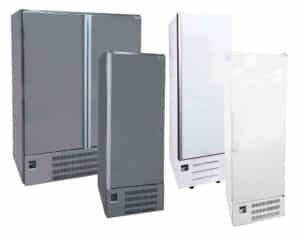


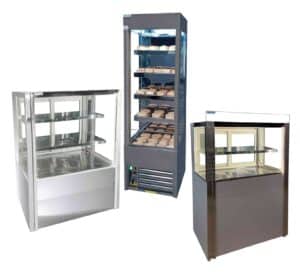

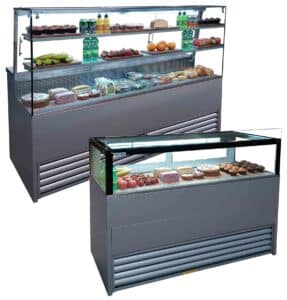

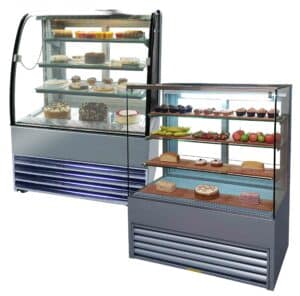
👉 SHOP OUR COMMERCIAL FREEZERS



Key Takeaways
💡 An evaporator coil freezing up is usually caused by restricted airflow, meaning cold air stays trapped near the mechanical components instead of circulating.
💡 Low refrigerant levels create an abnormal pressure drop, forcing the coil temperatures to plunge well below freezing and turning condensation into solid ice blocks.
💡 Overstocked shelves and blocked air vents are the most common human errors leading to a commercial fridge frozen coil.
💡 Regular maintenance routines, including cleaning dust and checking door gaskets, prevent severe ice buildup.
💡 Always allow ice to thaw naturally or with warm air; chipping away at solid ice blocks can permanently destroy the delicate aluminium tubing.
The Core Mechanics Behind a Commercial Fridge Frozen Coil
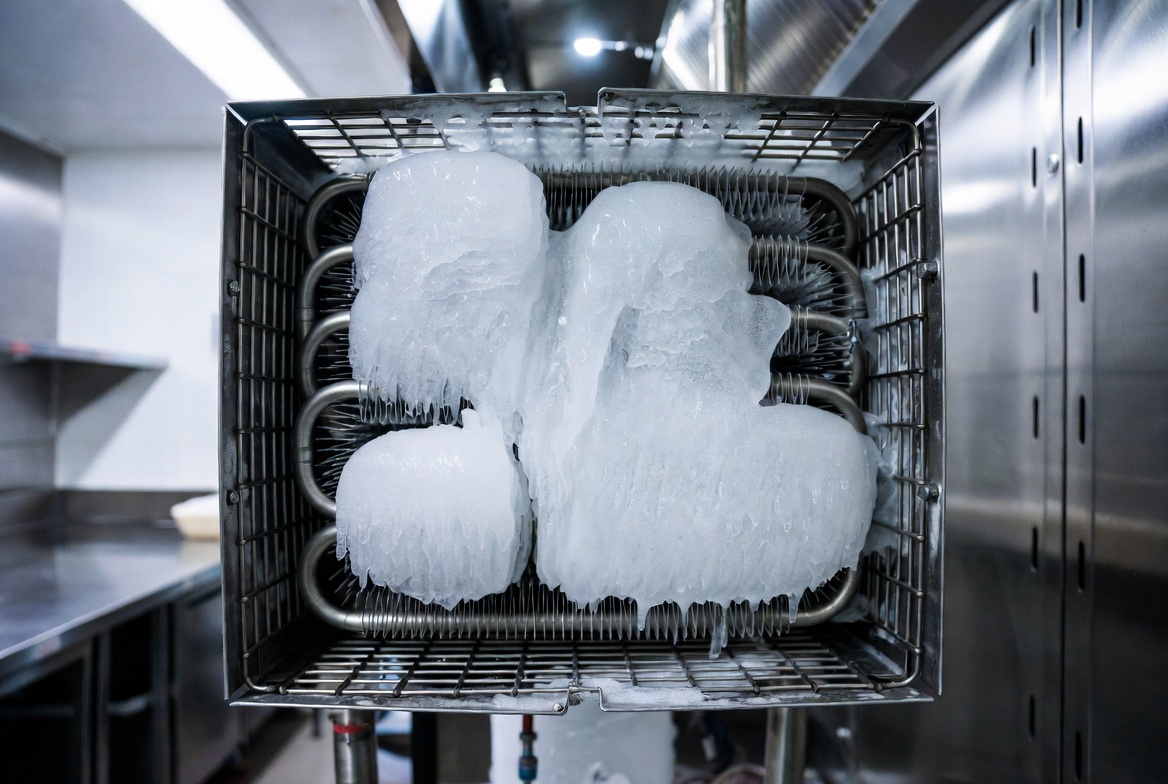
To understand why things go wrong, we first need to look at how a healthy refrigeration system operates. Think of the evaporator coil as a giant sponge for heat. Its primary job is to absorb warmth from the air inside the cabinet. Warm air is drawn over these cold metal tubes by circulating fans. As the heat is absorbed, the air becomes cool and is pushed back out into the food storage area. However, whenever warm air hits a cold surface, condensation occurs. You see this same effect when you pour a cold pint on a warm summer day; water droplets form on the outside of the glass. Inside your chilling equipment, these water droplets are a normal byproduct of the cooling process.
Normally, this condensation simply drips down into a drainage pan and evaporates away safely. Still, if the delicate balance of temperature and pressure is disturbed, those tiny water droplets will freeze onto the metal fins instead of dripping away. Once a thin layer of frost forms, it acts as an insulator. This means the metal can no longer effectively absorb heat from the surrounding cabinet. Consequently, the compressor runs longer and harder, desperately trying to cool the interior. The metal tubes get colder and colder, freezing even more moisture from the air. Before you know it, a commercial fridge frozen coil has developed into a thick, solid block of ice. This effectively suffocates the machine.
To avoid this, investing in reliable equipment is essential. If you are upgrading your front-of-house displays, consider our premium Display Fridges to maintain consistent airflow and visually appealing product arrangements.
The Critical Role of Interior Airflow
Airflow is the absolute lifeblood of any commercial refrigeration unit. You can compare it to human breathing; if the lungs cannot expand and push air efficiently, the whole body suffers. Inside your equipment, air must move continuously to distribute the cold temperatures evenly across all shelves. When this movement is restricted or stopped entirely, the cold air stagnates. It pools directly around the cooling mechanism. Because the heat from the cabinet never reaches the metal tubes, the temperature of the components drops below the freezing point of water. This is the primary catalyst for an evaporator coil freezing up. Let us explore the specific ways airflow gets interrupted in a busy commercial environment.
Blocked Vents and Overstocked Shelves
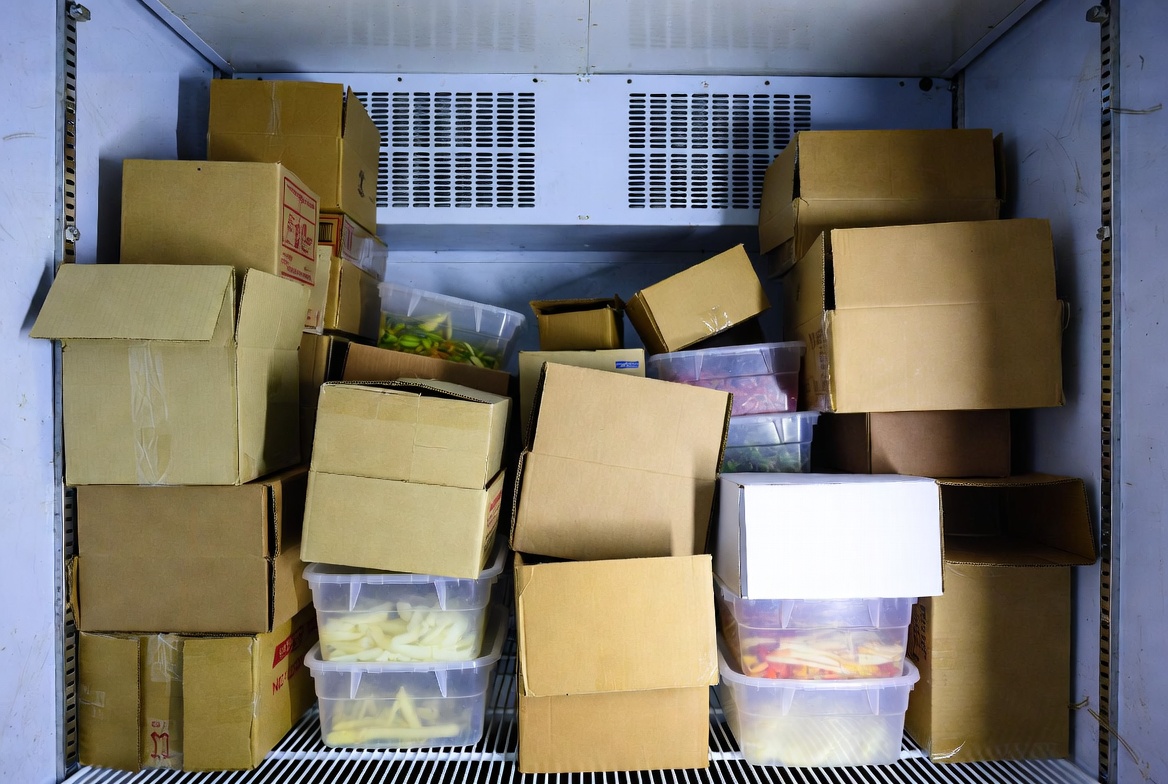
One of the most frequent causes of a commercial fridge frozen coil comes entirely from human behaviour. In a bustling catering environment, kitchen staff are always rushing to put away fresh deliveries. It is incredibly tempting to cram as many boxes, plastic tubs, and ingredients onto the shelves as physically possible. Nevertheless, pushing boxes right up against the back wall or stacking items too high blocks the internal ventilation grilles. The circulating fans might be working perfectly, but if a large tray of vegetables is sitting directly in front of the return vent, the air simply bounces back.
The cold air becomes trapped in a small, isolated pocket right next to the cooling mechanism. Without the warm air from the rest of the cabinet flowing over the metal fins to balance the temperature, the metal becomes dangerously cold. The ambient moisture freezes instantly upon contact. Furthermore, the rest of the cabinet remains completely uncooled because the chilled air cannot circulate past the obstruction. Your thermostat reads a warm temperature and forces the compressor to keep running endlessly. This vicious cycle rapidly builds solid ice blocks.
To prevent this, you must train your staff to respect the load lines inside the cabinet. Always leave a gap of at least a few inches between the stock and the internal walls. If your current unit is simply too small for your inventory, it might be time to expand your capacity. Browse our extensive range of Storage Fridges to ensure your kitchen has the breathing room it requires. Additionally, keeping smaller items organised in Under Counter Fridges can relieve the burden on your primary storage units.
Failing Evaporator Fans
The fans located inside the cabinet are responsible for pulling warm air over the cooling tubes and pushing the newly chilled air back out. They act as the engine of circulation. If these fans fail, the air becomes completely stagnant. The cooling tubes continue to absorb what little heat is immediately surrounding them, but without fresh air being pulled across, the temperature plummets. An evaporator coil freezing up is almost guaranteed when a fan motor dies.
Fan failures can happen for several reasons. Sometimes, the electrical motor simply burns out from years of continuous usage. Other times, the fan blades can become physically jammed. In a busy kitchen, loose plastic wrap, stray labels, or even small food particles can get sucked into the fan guard. Once the blade is obstructed, the motor overheats and shuts down. You might notice an unusual silence in your kitchen when the familiar humming stops, or you might hear a distressing rattling noise just before the fan fails completely.
Routine visual inspections can save you from this mechanical disaster. Listen to your equipment and look for any debris caught in the grilles. When you need heavy-duty reliability for customer-facing areas, explore our robust Drinks Fridges or our versatile Grab & Go Sandwich Fridges. These units are engineered with high-quality circulation systems designed to withstand the rigorous demands of busy retail and hospitality environments.
Dirty Coils Restricting Heat Transfer
Even if your fans are working perfectly and your shelves are neatly organised, you can still fall victim to a commercial fridge frozen coil if the internal components are filthy. Airborne particles are everywhere in a commercial setting. In a bakery, fine flour dust floats through the air. In a pub, it might be general dust, and in a restaurant kitchen, vaporised cooking grease is constantly circulating. Over time, these microscopic particles get sucked into the refrigeration system and stick to the damp metal fins.
This layer of grime acts exactly like a thick winter jumper. It forms an insulating barrier between the cold metal and the warm air passing over it. The heat from the cabinet cannot penetrate the dirt to reach the refrigerant gas inside the tubes. Because the heat transfer is blocked, the refrigerant remains intensely cold, causing the surface temperature of the grime-covered metal to drop below zero. Moisture in the air then freezes directly on top of the dirt layer. This creates a highly stubborn solid ice block that is difficult to thaw and clean.
The UK Health and Safety Executive frequently highlights the importance of maintaining workplace equipment to prevent hazards and ensure hygiene. Regular deep cleaning of your internal components is non-negotiable. If you are serving delicate pastries and want to ensure optimal hygiene and temperature control, check out our elegant Patisserie Cake Fridges, which feature accessible designs for easier maintenance. Likewise, our Deli Counter Fridges provide excellent visibility while maintaining precise cooling through clean, efficient mechanics.
Low Refrigerant Levels and the Pressure Drop Effect
When we talk about the mechanical link between poor interior airflow, low refrigerant levels, and solid ice blocks, we must dive into the physics of the cooling gases. Refrigerant is the chemical lifeblood that travels through the closed-loop piping of your appliance. It changes from a liquid to a gas and back again, absorbing and releasing heat. Your system requires an exact, precise volume of this chemical to operate correctly. If a microscopic pinhole leak develops in the copper piping, the gas slowly escapes into the atmosphere.
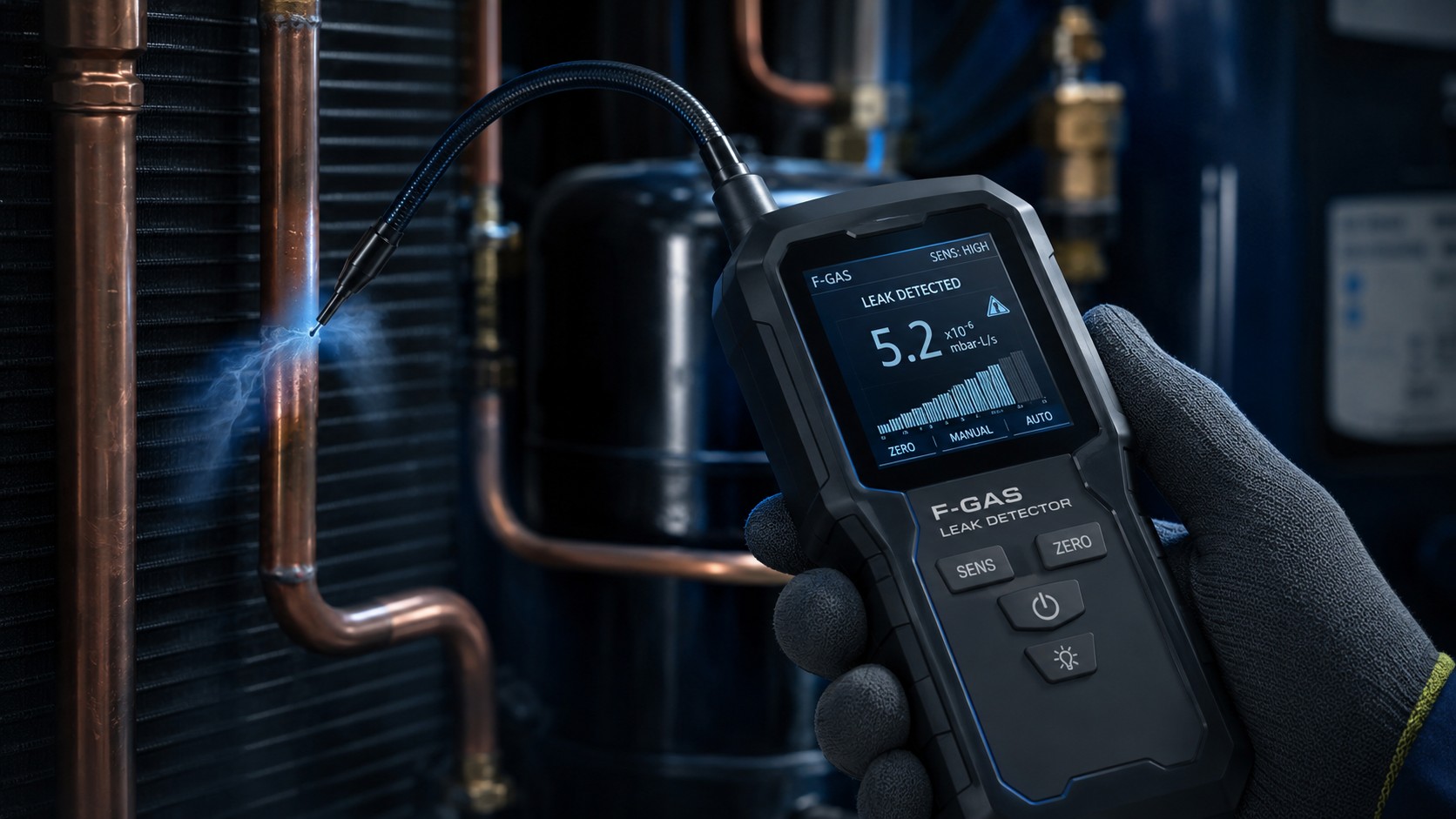
You might assume that less cooling gas would simply make the unit less cold. Contrarily, a low refrigerant charge actually causes an evaporator coil freezing up. Here is why: when there is less gas inside the tubes, the remaining chemical expands far more than it should. This massive expansion causes a severe drop in pressure. In the world of thermodynamics, a drastic drop in pressure equals a drastic drop in temperature. The internal tubing becomes far colder than the manufacturer intended—well below the freezing point of water.
As the circulating fan blows ambient air across these unnaturally freezing tubes, the moisture in the air condenses and freezes immediately. The ice starts at the entry point of the tubing and slowly creeps across the entire assembly. Finding a leak requires a certified F-Gas engineer equipped with electronic sniffer tools. You cannot simply top up the gas; the leak must be permanently brazed and repaired. If you need dependable bulk storage while arranging complex repairs, consider investing in our spacious Upright Storage Fridges or our robust Upright Meat Freezers to keep your valuable stock perfectly preserved.
Environmental Factors and Defrost Failures
Sometimes the root cause of a commercial fridge frozen coil comes from the external environment or a failure in the automated defrost programming. Commercial kitchens are notoriously hot and humid. Every time a staff member opens the cabinet door, a massive wave of warm, moisture-laden air rushes inside. If the door gaskets are split, torn, or flattened, this humid air leaks into the cabinet continuously, 24 hours a day. The cooling system is forced to condense an impossible amount of water. This excess water quickly overwhelms the drainage system and freezes onto the metal fins.
Modern commercial units are equipped with automated defrost cycles to combat normal frost buildup. A timer switches off the cooling cycle and activates a small electric heater to melt away any light frost. The water drips away, and the cooling resumes. However, if the defrost timer breaks, the heater burns out, or the termination thermostat fails, the system will never pause to melt the frost. The appliance simply runs endlessly, adding layer upon layer of ice until the entire back panel is engulfed.
Monitoring the humidity and ensuring your doors seal tightly are simple daily habits that prevent massive headaches. If you operate a fast-paced retail environment where doors are constantly opened by customers, you might benefit from our Multideck Open Fridges. These use advanced invisible air curtains to maintain temperatures without the wear and tear of physical doors. Alternatively, for frozen goods, our Sliding Glass Chest Freezers offer excellent energy retention because cold air naturally sinks and stays inside when the top is opened.
Identifying the Symptoms Before a Solid Ice Block Forms
Catching an evaporator coil freezing up early can save you from a complete system breakdown. You do not have to wait until you see a solid block of ice peeking through the fan grilles. The machinery will give you several warning signs that the delicate balance of airflow and pressure is failing. By paying close attention to these symptoms, you can take corrective action, reorganise your shelves, or call an engineer before your food spoils.
- Elevated Cabinet Temperatures: The most obvious sign is that your perishable goods feel warm. The thermostat might read 8°C or 10°C instead of the safe 2°C to 4°C range.
- Continuous Compressor Humming: The compressor is the engine at the bottom or top of the unit. Normally, it cycles on and off. If it runs continuously without a break, it is struggling against a blocked or frozen coil.
- Puddles of Water on the Floor: As ice builds up, it often blocks the internal drainage tube. During a defrost cycle, the melting water has nowhere to go and spills out of the cabinet onto your kitchen floor.
- Warm Exterior Panels: If the system is working overtime due to a commercial fridge frozen coil, the external condenser (which releases heat) will push out excessively hot air, making the exterior metal panels uncomfortably warm.
- Unusual Odours: Stagnant air and trapped moisture can lead to a musty, damp smell inside the cabinet, indicating that airflow is severely restricted.
If you are noticing these signs across multiple older units, it might be time for a comprehensive equipment overhaul. We provide high-quality Upright Glass Door Freezers that feature advanced digital controllers to monitor performance accurately and alert you to temperature deviations immediately.
Actionable Steps to Thaw and Prevent an Evaporator Coil Freezing Up
When you finally confirm that you have a solid ice block, your immediate reaction might be to grab a screwdriver or a kitchen knife to chip it away. You must resist this urge completely. The aluminium tubing holding the highly pressurised refrigerant is incredibly thin. A single slip of a sharp tool will puncture the tube, releasing the gas and turning a manageable repair into a catastrophic, expensive write-off. Safe thawing requires patience and the correct approach.
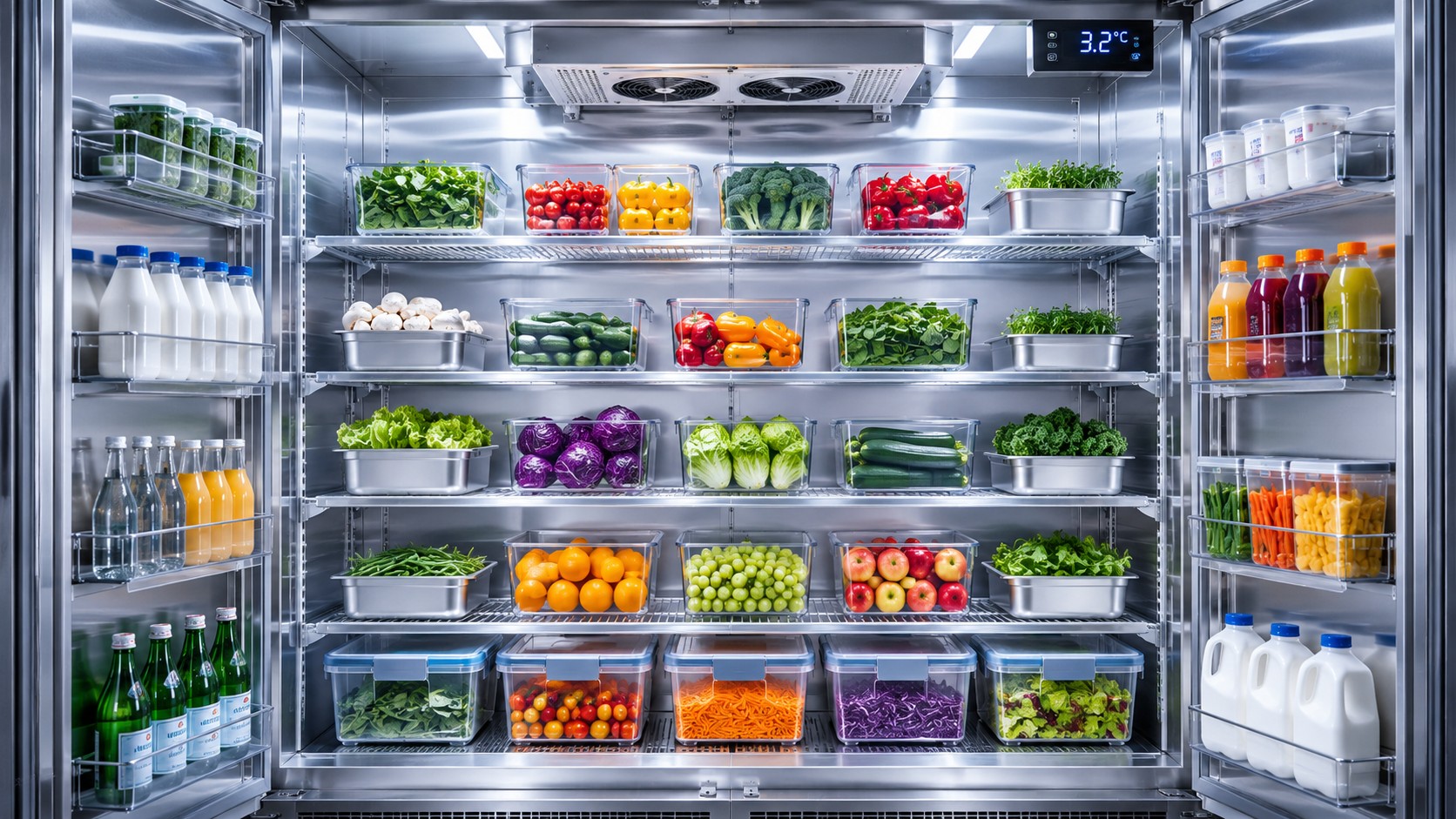
First, remove all perishable stock and transfer it to a backup appliance, such as your dependable Storage Freezers or Under Counter Freezers. Next, completely disconnect the power supply to the iced-up unit. Prop the doors wide open and let the ambient room temperature do the work. To speed up the process slightly, you can place bowls of hot water inside the cabinet or use a fan to blow room-temperature air directly onto the ice. Do not use heat guns or hair dryers, as extreme concentrated heat can melt the plastic interior linings and damage the electrical wiring.
Once the ice has completely melted, clean up all the water and dry the interior thoroughly. Before turning the power back on, inspect the door seals, clean the return vents, and ensure the condenser coil (usually located at the bottom or top outside) is free of dust. When you restock, implement strict rules about leaving gaps for airflow. Routine checks should be scheduled weekly to wipe down seals and look for minor frost before it becomes a major problem.
Choosing Reliable Refrigeration to Minimise Downtime
Dealing with an evaporator coil freezing up is stressful, time-consuming, and costly. While human error like overstocking is a common culprit, the quality and design of your refrigeration equipment play a massive role in its resilience. Cheaper, poorly designed units often have weak fans, inefficient defrost heaters, and inadequate insulation. These sub-par machines struggle in the demanding environments of British hospitality and retail, breaking down precisely when you need them the most.
Investing in professional-grade equipment ensures that the mechanical components are built to handle high humidity, frequent door openings, and the rigours of commercial use. High-quality appliances utilise powerful, dynamic cooling fans that force cold air into every corner of the cabinet, significantly reducing the risk of stagnant air pockets. Furthermore, advanced digital thermostats provide precise control over defrost cycles, ensuring that frost never has the opportunity to accumulate into a solid block of ice.
At Display-Fridge Wholesale, we dedicate ourselves to providing robust, energy-efficient cooling solutions tailored for your business needs. Whether you require space-saving Countertop Fridges for a compact café or heavy-duty Upright Restaurant Fridges for a large-scale restaurant kitchen, choosing the right tool for the job is paramount. Reliable machinery protects your food stock, keeps your energy bills predictable, and allows your staff to focus on serving customers rather than battling failing equipment.

FAQs
Why does my commercial fridge keep icing up at the back?
An evaporator coil freezing up at the back of your cabinet is almost always due to restricted airflow. When boxes or ingredients are pushed flush against the rear panel, the cold air produced by the cooling tubes cannot circulate. The coldness stays trapped at the back, dropping the surface temperature below zero and freezing the ambient moisture into solid ice. Always leave a gap between your products and the interior walls to allow air to flow freely.
Can low refrigerant cause the evaporator coil to freeze?
Yes, absolutely. It seems contradictory, but a lack of refrigerant gas causes a significant drop in pressure inside the copper tubing. This pressure drop forces the remaining gas to become abnormally cold, plunging well below the freezing point of water. As air passes over these freezing tubes, the moisture condenses and instantly turns to ice, resulting in a severe commercial fridge frozen coil. This requires a professional F-Gas engineer to locate and repair the leak.
How long does it take to thaw a commercial fridge frozen coil?
The time it takes to thaw depends entirely on the thickness of the solid ice blocks and the ambient temperature of your room. A moderate layer of frost might melt in a few hours with the doors left open. However, a thick, severe block of ice can take up to 24 hours to thaw completely naturally. You can speed this up by placing pans of hot water inside, but you must remain patient.
Should I scrape the ice off the evaporator coils?
No, you must never scrape, chip, or hack at the ice with sharp objects. The aluminium fins and copper tubing are incredibly delicate and easily punctured. A single hole will release all the refrigerant gas, turning a simple thawing job into a highly expensive system replacement. Always let the ice melt naturally or use gentle, warm air circulation. Protect your investment by upgrading to reliable units like our Upright Glass Door Freezers, which feature efficient automatic defrosting.
Keep Your Cool: Banish Frozen Coils for Good
Understanding why the evaporator coil freezing up disrupts your daily operations empowers you to take proactive control of your kitchen’s health. By recognising the intricate mechanical link between poor interior airflow, low refrigerant levels, and the formation of solid ice blocks, you can implement simple preventative measures. Train your staff to respect load lines, keep the vents clear, and maintain a rigorous cleaning schedule for the internal components. When you treat your equipment well, it rewards you with consistent temperatures, lower energy consumption, and peace of mind. A commercial fridge frozen coil does not have to be a recurring nightmare if you stay vigilant and address the early warning signs of warm cabinets and continuous compressor humming.
Display-Fridge Wholesale provides superior commercial fridge equipment to hospitality markets all over the United Kingdom. We supply commercial refrigerators and freezers to businesses throughout England at a wholesale price. Purchase an affordable commercial fridge now!
👉 SHOP OUR COMMERCIAL FREEZERS