
 0 items –

Master refrigerator door seal cleaning with our expert guide. Protect your magnetic rubber seals, prevent mould, and save energy today.
Have you ever stopped to consider the hardest working component in your professional kitchen? Most chefs point immediately to the oven or the main cooking range. However, the unsung hero of your daily operations is actually a simple strip of rubber. The door seal on your chilling equipment works continuously, twenty-four hours a day, fighting a relentless battle against warm ambient air. When you need to clean commercial fridge gaskets, you are actively protecting your stock, your energy bills, and your hygiene rating. We see countless businesses struggle with failing seals simply because the delicate PVC material degrades under harsh treatment or neglect. So, understanding the precise chemistry and physical technique required for refrigerator door seal cleaning becomes a critical operational skill. Think of the gasket like the weather stripping on your front door at home. If that weather stripping fails during a freezing winter, the heating bill skyrockets, and the house feels constantly draughty. Your refrigeration units operate on the exact same principle, just in reverse. Still, many kitchen routines overlook this vital area until the rubber splits, tears, or becomes heavily infested with mould. You hold the power to extend the life of your equipment drastically through simple, consistent care.








👉 SHOP OUR COMMERCIAL FREEZERS



💡 Key Takeaways
- Routine cleaning prevents the buildup of aggressive food acids and fats that slowly dissolve commercial fridge door seals.
- Using harsh chemical bleaches or sharp metal tools guarantees irreversible damage to delicate magnetic rubber seals.
- Thorough drying is just as important as the washing phase; residual moisture in the gasket folds acts as a breeding ground for persistent mould.
- Regularly maintained seals ensure your refrigeration units consume up to twenty percent less electricity.
- A well-maintained gasket ensures your business easily complies with strict British food safety and hygiene regulations.

The Hidden Impact of Dirty Fridge Seals on Your Food Business
You might look at a slightly discoloured seal and assume it is merely a cosmetic issue. Nevertheless, the reality occurring on a microscopic level tells a far more destructive story. When food spills, grease, and sugary liquids drip into the hidden folds of your gasket, they do not simply sit there. They begin a slow, corrosive chemical reaction with the PVC material. Fats and oils are particularly aggressive; they cause the flexible plasticisers within the rubber to leach out, leaving the gasket stiff, brittle, and highly prone to cracking. Once the material loses its suppleness, the integrated magnet can no longer form a continuous, airtight bond against the metal cabinet.
Think about driving down the motorway with your car window open just a fraction of an inch while the air conditioning runs at full blast. The cold air escapes instantly, and the vehicle struggles to maintain a comfortable temperature. Your chilling equipment reacts exactly the same way when a brittle seal creates microscopic gaps. The compressor has to work twice as hard to maintain the programmed temperature, drawing significantly more electricity and rapidly shortening the lifespan of your appliance. After all, commercial energy rates are a major overhead for any British hospitality business, making this unseen energy leak a direct drain on your daily profits.
Beyond the mechanical and financial strain, compromised seals present a severe hygiene risk. Environmental Health Officers frequently target these hidden crevices during routine inspections because they are notorious environments for dangerous bacterial growth. To safeguard your investment, discovering the proper way to conduct refrigerator door seal cleaning is paramount. Whether you operate large upright storage fridges in a busy restaurant kitchen or sleek display fridges in a customer-facing café, maintaining an impeccable seal is non-negotiable. Upgrading your equipment is always an option, and exploring our range of upright glass door freezers might be the perfect solution if your current units are beyond repair.
Essential Toolkit for Safe Refrigerator Door Seal Cleaning
Tackling a delicate maintenance job requires the correct equipment to ensure you do not accidentally cause more harm than good. Using whatever heavy-duty degreaser happens to be nearest to the sink is a guaranteed path to ruined rubber. You need to gather a specific, gentle toolkit designed to clean magnetic rubber seals fridge components without degrading the material. We recommend assembling a dedicated cleaning caddy specifically for your refrigeration maintenance.
- Warm Soapy Water: A simple mixture of warm water and a mild, unfragranced washing-up liquid is your primary weapon. It gently lifts daily grease without introducing harsh chemicals that dry out the PVC.
- Soft-Bristled Toothbrush: A standard cleaning brush is far too abrasive. A soft baby toothbrush is the perfect tool for gently agitating grime inside the deepest folds of the rubber without causing micro-tears.
- Microfibre Cloths: These cloths are essential because they trap dirt particles rather than just smearing them across the surface. They are also highly absorbent, which is crucial for the final drying stage.
- White Vinegar (Acetic Acid): A mild, natural acid mixed in equal parts with water serves as a brilliant sanitiser and deodoriser. It breaks down mineral deposits and light mould without the devastating effects of neat bleach.
- Bicarbonate of Soda: For sticky, stubborn food residues, a thick paste made from bicarbonate of soda and water provides a very mild, safe abrasive action. It naturally neutralises acidic food spills that threaten the rubber.
- Cotton Buds: When dealing with the extreme corners of the door where the gasket folds tightly, cotton buds offer the precision required to extract hidden crumbs and debris.
- A Blunt Spatula Wrapped in a Cloth: Never use a knife or a screwdriver to dig into the seal. A blunt plastic spatula, thoroughly wrapped in a soft microfibre cloth, allows you to sweep through the vertical channels safely.
- Food-Safe Silicone Lubricant: Once the cleaning is finished, a tiny application of food-grade silicone helps restore the supple nature of the rubber, preventing future cracking and ensuring a tight magnetic grip.
Equipping your staff with these simple items ensures your display freezers and countertop fridges remain in pristine, food-safe condition, protecting both your customers and your bottom line.
Step-by-Step Guide to Clean Commercial Fridge Gaskets Safely
Executing a thorough clean requires patience and a methodical approach. Rushing the process often leads to aggressive pulling, which is the leading cause of torn gaskets. We need to treat the commercial fridge maintenance gaskets process with the same care a conservator gives to a delicate painting. By breaking down the task into logical, bite-sized chunks, you ensure every inch of the seal is purified without compromising its structural integrity. The goal here is to restore the seal to factory condition, ensuring your appliances run efficiently.
Preparing the Area and Protecting Your Food Stock
Before a single drop of water touches the appliance, you must prepare the environment. Leaving the door wide open while you fetch supplies allows vast amounts of warm, moisture-laden kitchen air to flood the cabinet. This causes immediate condensation on the interior walls and rapidly raises the core temperature of your stored food. So, swift preparation is vital.
Begin by temporarily relocating highly sensitive perishables to your storage freezers or an alternative chilling unit. If you are maintaining multideck open fridges or grab & go sandwich fridges on the shop floor, try to schedule this deep clean outside of core trading hours. Once the immediate area is clear, switch off the appliance if your operations allow it. If switching off is impossible due to trading demands, you must commit to cleaning the seal in small, manageable sections, closing the door firmly between each segment to trap the cold air inside. Lay a thick towel on the floor directly beneath the door hinge; cleaning inevitably results in drips, and a wet kitchen floor is a severe slip hazard for your busy team. Gather your dedicated toolkit nearby so everything is within arm’s reach.
Applying the Cleaning Solution with a Gentle Touch
With your preparations complete, it is time to address the surface dirt. Dip your clean microfibre cloth into the warm, soapy water mixture, ensuring you wring it out thoroughly so it is damp rather than soaking wet. You do not want excess water flooding into the internal cabinet or pooling at the base of the door.
Start at the top corner of the door and work your way downwards. This prevents dirty water from running over areas you have already pristine. Gently peel back the outer lip of the gasket with your thumb. Think of how you might gently open a book to read the text near the spine; you apply just enough pressure to see inside without snapping the binding. Wipe the cloth smoothly down the exposed track. You will likely be surprised by the amount of grey, greasy residue that transfers onto your cloth. This residue is a cocktail of airborne cooking fats, condensation, and microscopic food particles. If you are cleaning high-traffic units like drinks fridges or deli counters, this initial wipe might need repeating two or three times to cut through the accumulated layer of daily commercial grime.
Scrubbing the Magnetic Rubber Seals Without Tearing
Now comes the most critical phase: extracting the stubborn debris trapped deep within the concertina folds of the rubber. This is where most damage occurs when impatient staff use sharp implements to dig out dirt. You must avoid screwdrivers, knives, or stiff wire brushes at all costs.
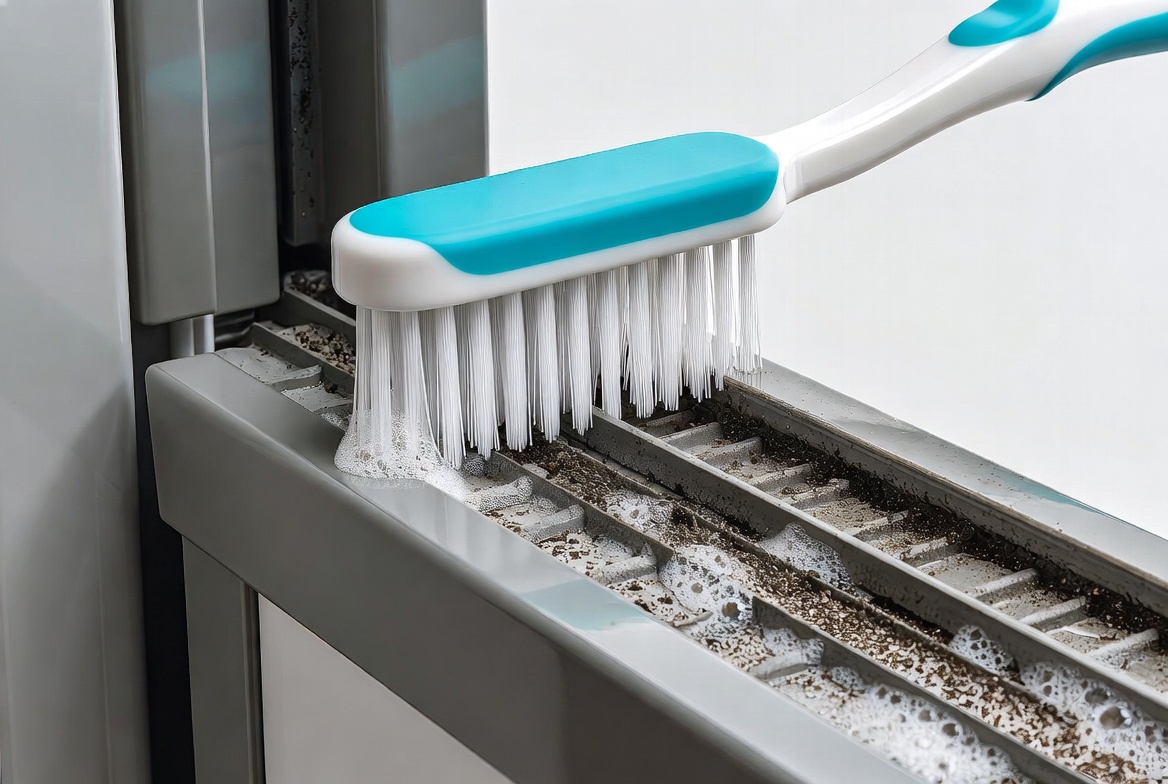
Take your soft-bristled toothbrush and dip it lightly into your soapy water or your bicarbonate of soda paste for tougher sticky spots. Pull the gasket fold open gently, creating a clear line of sight into the groove. Use short, circular brushing motions, moving systematically along the channel. Compare this action to brushing your teeth; you want firm, consistent movement to remove plaque, but pressing too hard will damage your gums. The PVC rubber requires exactly that same balance of firmness and care. For the tight corners where the toothbrush struggles to reach, switch to a cotton bud. The cotton bud acts like a magnet for hidden breadcrumbs and sugary spills. If you manage busy cake fridges, you will frequently find sugar crystals hiding in these corners, which, if left alone, slowly act like sandpaper against the rubber every time the door is slammed shut.
Drying and Conditioning the Gasket to Prevent Future Damage
The final stage is arguably the most critical yet frequently skipped step in the entire process. Leaving the gasket wet is a fundamental error. Moisture trapped inside a dark, cold fold is the ultimate recipe for rapid mould reproduction.
Take a completely dry, clean microfibre cloth and systematically track around the entire perimeter of the door, pressing the cloth deeply into the folds you just cleaned. You want to absorb every single droplet of moisture. Next, you need to nourish the material. Rubber naturally dries out over time, especially in environments subject to constant temperature fluctuations. Apply a very small dab of food-safe silicone lubricant to a cloth and massage it lightly along the hinge side of the seal. This restores the vital flexibility needed for the magnet to snap firmly against the cabinet frame. Do not use petroleum jelly or cooking oils, as these will degrade the PVC over time. A properly conditioned seal on your under counter fridges or upright meat freezers will feel supple, smooth, and instantly grip the metal frame the moment the door swings shut.

Removing Stubborn Mould from Commercial Refrigeration Seals
Despite your best daily efforts, high-humidity environments sometimes lead to the development of persistent black mould spots on the rubber. When confronted with mould, the instinctive reaction in many commercial kitchens is to reach for the strongest industrial bleach available. However, applying neat bleach to a PVC gasket is a catastrophic mistake. The harsh chemicals cause the plasticisers in the rubber to crystallize instantly. Within weeks, the seal will turn rock hard, crack completely, and fall away from the door frame, leaving you with a hefty replacement bill.
To tackle mould safely, you must employ a more scientific approach. According to resources like The Seal Company, one of the most effective and safe methods involves a simple 3% hydrogen peroxide solution. Apply a small amount of the peroxide directly to a cotton bud and dab it precisely onto the black mould spots. Allow it to sit and bubble for five minutes; this chemical reaction safely destroys the mould spores at their root without burning the surrounding rubber. Alternatively, a paste of white vinegar and bicarbonate of soda can be applied to the spots. The slight fizzing action helps lift the fungal roots from the porous material. Once treated, wipe the area completely clean with a damp cloth and dry it rigorously. If the mould has penetrated so deeply that the rubber is permanently stained black and beginning to crumble, cleaning is no longer viable. In such cases, replacing the unit or the seal is vital. For businesses looking to upgrade their failing equipment, exploring our robust range of under counter freezers and storage fridges offers immediate operational peace of mind.
Routine Maintenance Checks to Extend Gasket Lifespan
Prevention will always be more cost-effective than a cure. Establishing a strict routine maintenance schedule prevents catastrophic seal failure and keeps your energy bills predictable. You should integrate a quick gasket inspection into your weekly kitchen deep-clean rota.
The Essential Paper Test for Magnetic Grip
One of the simplest ways to verify the integrity of your seal is the classic paper test. Open the fridge door, place a standard piece of paper against the cabinet frame, and close the door so the paper is trapped halfway in and halfway out. Pull the paper gently. You should feel noticeable resistance as the magnetic strip grips the paper. If the paper slides out effortlessly and falls to the floor, your seal is failing to create an airtight lock. You need to repeat this test at various points around the entire perimeter of the door, paying special attention to the top corners where gaskets most frequently warp.
Daily Visual Inspections
Furthermore, train your staff to notice the physical condition of the doors during their daily duties. Are there visible gaps when the door is closed? Is there a noticeable accumulation of condensation or ice directly on the exterior of the seal? These are immediate red flags indicating cold air is escaping. Moreover, pay attention to the physical closing action of the door. Does it bounce back slightly when pushed, or does it pull shut with a satisfying, firm snap? By catching these warning signs early, you prevent the compressor from burning out due to overwork. Protecting your investment in premium equipment, such as our sliding glass chest freezers, ensures your business runs smoothly, profitably, and without unexpected breakdowns.

FAQs
How often should I clean my commercial fridge gaskets?
You should aim to give your gaskets a light, preventative wipe-down with a damp cloth once a week as part of your standard kitchen cleaning rota. A more thorough, deep clean using a soft toothbrush and mild detergent should be conducted once a month to remove deeply embedded grease and prevent mould spores from establishing a foothold in the rubber folds.
Can I use bleach for refrigerator door seal cleaning?
You should never use neat bleach or highly aggressive industrial degreasers on your fridge seals. Bleach aggressively strips the essential plasticisers from the PVC rubber, causing it to rapidly dry out, become brittle, and crack. If you must tackle stubborn mould, opt for a safe 3% hydrogen peroxide solution or a natural white vinegar spray, ensuring you rinse and dry the area completely afterwards.
How do I know if my magnetic rubber seal needs replacing?
Signs that your seal is beyond cleaning and requires replacement include visible splits or tears in the rubber, a brittle or stiff texture to the touch, and an inability to hold a piece of paper firmly in place when the door is closed. Additionally, if you notice excessive condensation building up on the outside of the door or your energy bills are unexpectedly rising, a failing gasket is often the culprit.

How to Clean Commercial Refrigerator Door Gaskets: Best Practices for Scrubbing Magnetic Rubber Seals Without Tearing Them
In closing, maintaining the humble rubber seal on your refrigeration units is a foundational task that pays enormous dividends in energy savings, food safety compliance, and appliance longevity. By ditching harsh chemicals, adopting a gentle, methodical cleaning approach, and ensuring absolute dryness after every wash, you safeguard the vital cold air within your cabinets. The daily rigours of a commercial kitchen demand vigilance, but armed with the right techniques, your gaskets will remain supple, magnetic, and completely airtight for years to come. Ultimately, mastering how to clean commercial refrigerator door gaskets: best practices for scrubbing magnetic rubber seals without tearing them ensures your business operates at peak efficiency every single day.
Display-Fridge Wholesale provides superior commercial fridge equipment to hospitality markets all over the United Kingdom. We supply commercial refrigerators and shop freezers to businesses throughout England at a wholesale price. Whether you need an elegant solution to showcase your culinary creations or robust chilling power for your back-of-house operations, we have exactly what you require. Purchase an affordable commercial fridge now!
👉 SHOP OUR COMMERCIAL FREEZERS