
 0 items –

Discover daily actionable tips to save energy with a commercial fridge and lower your business running costs effortlessly today.
Every single penny matters when running a food business, hospitality venue, or retail shop. Energy costs often take a massive bite out of operating budgets, leaving owners searching for viable financial solutions. Commercial refrigeration equipment runs twenty-four hours a day, seven days a week, constantly working to keep perishable goods safe and visually attractive to your customers. So, how do you manage these relentless electrical demands without compromising on food safety or display quality? Have you ever paused to think about how much electricity a single unit consumes over an entire year? Finding practical ways to save energy that commercial fridge operations rely upon is absolutely crucial for maintaining healthy profit margins.
The brilliant news is that reducing your power consumption does not require an advanced degree in thermodynamics. Minor, actionable adjustments to your daily routine can yield substantial financial savings over time. However, understanding the basic mechanics of heat exchange will empower you to make much smarter decisions on the shop floor. We want to guide you through comprehensive methods to cut down on electricity usage, extend the lifespan of your critical equipment, and ensure your stock remains perfectly chilled. Still, applying these steps requires consistency across your entire team. Let us explore the proven, industry-backed strategies to transform your current setup into a highly energy efficient commercial refrigerator system.
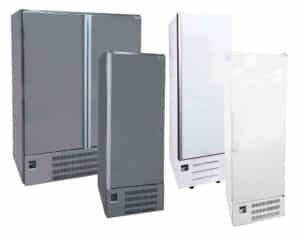


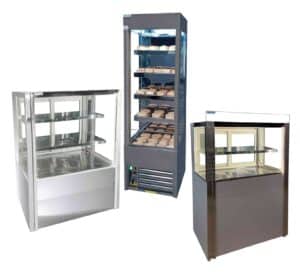

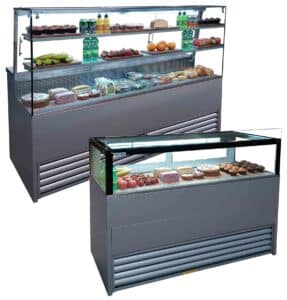

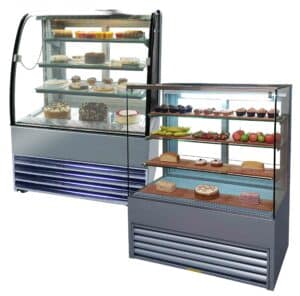
👉 SHOP OUR COMMERCIAL FREEZERS



💡 Key Takeaways
- Routine maintenance, such as cleaning your condenser coils, drastically reduces compressor strain and lowers energy consumption.
- Checking and replacing door seals prevents precious cold air from escaping and stops warm ambient air from entering the cabinet.
- Strategic positioning away from direct heat sources improves equipment efficiency and cooling recovery times.
- Organising stock properly ensures healthy internal airflow and maintains a solid thermal mass balance.
- Upgrading to modern equipment offers significant long-term financial returns and enhanced reliability.
Understanding Your Commercial Refrigeration Energy Footprint
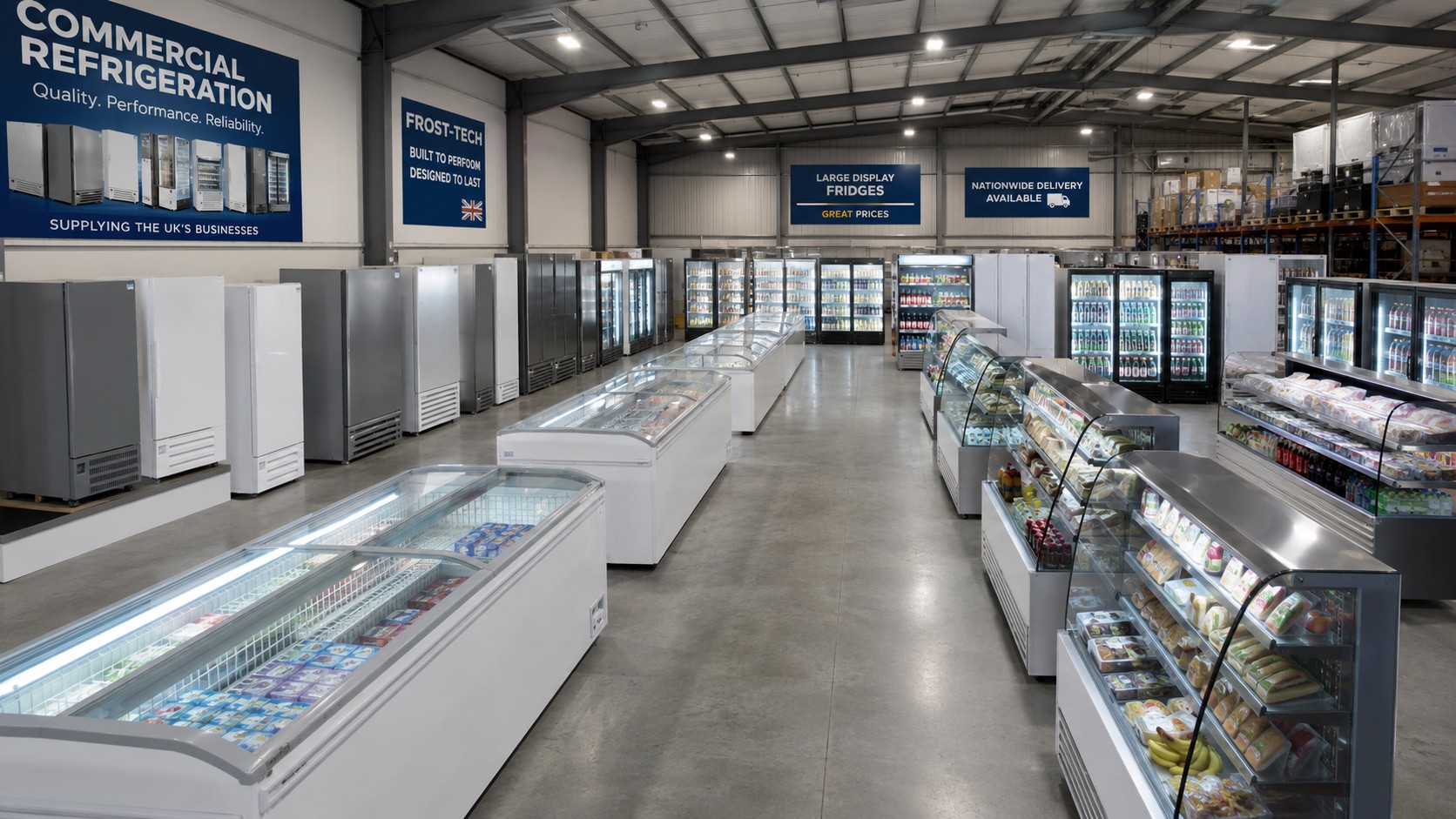
Running a bustling hospitality business means dealing with substantial overheads, and refrigeration is typically one of the highest energy consumers in a commercial kitchen or shop front. Every piece of equipment pulls a continuous electrical load. When appliances are neglected, this electrical load increases significantly. The Carbon Trust in the UK consistently highlights that cooling operations can account for up to a quarter of total energy costs within the retail and hospitality sectors. You are essentially paying heavily for a necessity, yet you have the power to control precisely how much you spend.
Think about your equipment as a marathon runner. If a runner carries extra heavy weights, they burn significantly more energy and tire out much faster. Similarly, when a fridge operates under poor environmental conditions, the internal compressor works overtime. This relentless strain draws excessive electricity from the grid. Regardless of the size of your operation, ignoring appliance efficiency translates directly to wasted money. You are essentially paying for expensive cooling that simply vanishes into the ambient air of your kitchen or store.
Furthermore, inefficient equipment is highly prone to sudden, catastrophic breakdowns. A failed compressor on a busy Friday evening leads to spoiled food, lost sales, and emergency, out-of-hours repair bills. By adopting an energy efficient commercial refrigerator mindset, you actively protect your bottom line. Discovering how to optimise your current setup is the fundamental step toward better financial health and a vastly reduced carbon footprint. If you are starting fresh or replacing broken units, you should explore our modern display fridges to instantly lower your baseline power consumption.
Daily Actionable Habits to Save Energy Commercial Fridge Operations Need
Implementing a strict daily routine is the most immediate way to see a noticeable drop in your monthly energy bills. Human behaviour heavily impacts appliance performance. A well-trained staff is your very best defence against unnecessary energy waste. Here is a practical list of daily habits to instil in your team to ensure you constantly save energy commercial fridge costs demand:
- Limit Door Openings: Every time a door is opened, heavy, cold air spills out onto the floor, and warm, humid air rushes into the cabinet. Keep doors firmly closed whenever possible.
- Group Kitchen Tasks: Instruct your kitchen staff to fetch all necessary ingredients for a recipe in one single trip rather than opening the door multiple times during food prep.
- Check for Complete Closure: Ensure doors are firmly shut after every single use. A door left slightly ajar will force the compressor to run endlessly.
- Turn Off Internal Lights: If your units have manual light switches, turn them off completely after closing hours to save power and reduce minor internal heat generation.
- Utilise Night Blinds: Always pull down the night blinds firmly on multideck open fridges and your grab & go sandwich fridges at the close of business.
- Hot Food Rules: Never place hot food directly into the chilling unit. Allow it to cool at room temperature first to completely avoid massive internal temperature spikes.
These daily routines might seem insignificant when viewed individually. Nevertheless, when combined over weeks and months, they drastically reduce the overall workload on your appliances. When your staff truly understand the financial impact of a door left open, they become significantly more mindful. For busy environments where doors are constantly accessed, consider browsing our range of drinks fridges featuring robust self-closing door mechanisms to automate your energy savings.

Preventative Maintenance for an Energy Efficient Commercial Refrigerator
Even the most technologically advanced appliance will lose its efficiency if it is not maintained correctly. Dirt, dust, and general wear and tear act as heavy barriers to efficient heat transfer. You must treat your refrigeration equipment with the exact same care you would a company motor vehicle. Regular servicing prevents massive energy spikes and keeps your machinery running smoothly.
Mastering Condenser Coil Cleaning
The condenser coil is usually located at the bottom or top of your unit. Its primary job is to release the heat that the refrigerant has absorbed from inside the refrigerated cabinet. Have you ever tried to run a race while breathing through a narrow straw? That is exactly how a compressor feels when the condenser coils are choked with thick grease, dust, and debris. When the coils are dirty, heat simply cannot escape efficiently into the surrounding air.
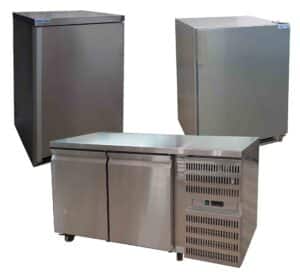
Consequently, the compressor has to run significantly longer to achieve the target internal temperature. You should actively brush and vacuum these coils at least once a month. Use a stiff brush to dislodge accumulated grime, moving very carefully in the direct line of the metal fins to avoid bending them. A clean coil ensures that heat dissipates freely, naturally creating a highly energy efficient commercial refrigerator. This simple physical task is essential for units placed in greasy environments, so remember to regularly check your countertop fridges and under counter fridges positioned near cooking stations.
Perfecting the Door Seal Inspection
The rubber gasket around the edge of the door is the only physical barrier keeping the cold air inside and the ambient heat outside. Over time, these seals become brittle, crack, or tear entirely. A damaged seal acts exactly like a window left wide open during winter while the central heating is blasting. The cold air constantly leaks out, forcing the machinery to work twice as hard to maintain the chill.
Try the simple paper test to check the integrity of your current seals. Close the door firmly on a crisp £5 note or a standard piece of paper. If you can pull the paper out with zero resistance, the seal is compromised and needs immediate replacement. Wiping down the gaskets weekly with warm soapy water prevents sticky residue from tearing the soft rubber upon opening. Tight, secure seals are vital for high-performance units. If your seals are beyond repair, it might be time to investigate our highly efficient upright glass door fridges and deli counters for an airtight upgrade.
Calibrating Your Internal Thermostats
Setting your appliance to the absolute correct temperature is a delicate balancing act between strict food safety and energy conservation. Storing products significantly colder than necessary is a very common mistake that wastes a tremendous amount of electricity. Every single degree you lower the thermostat unnecessarily increases energy consumption by a massive margin. You must strike the perfect balance for your specific stock.
Use an independent, calibrated thermometer to physically verify the internal temperature. Do not rely solely on the digital display, as electronic sensors can drift out of accuracy over time. Generally, a standard food fridge should hover neatly between 1°C and 4°C. Freezers usually operate best around the -18°C to -22°C mark. The UK Food Standards Agency offers brilliant guidelines on safe storage temperatures. Calibrating your thermostat accurately ensures your cake fridges and upright meat freezers maintain the perfect environment without needlessly running up the electric bill.
Strategic Placement to Combat Ambient Heat Extraction
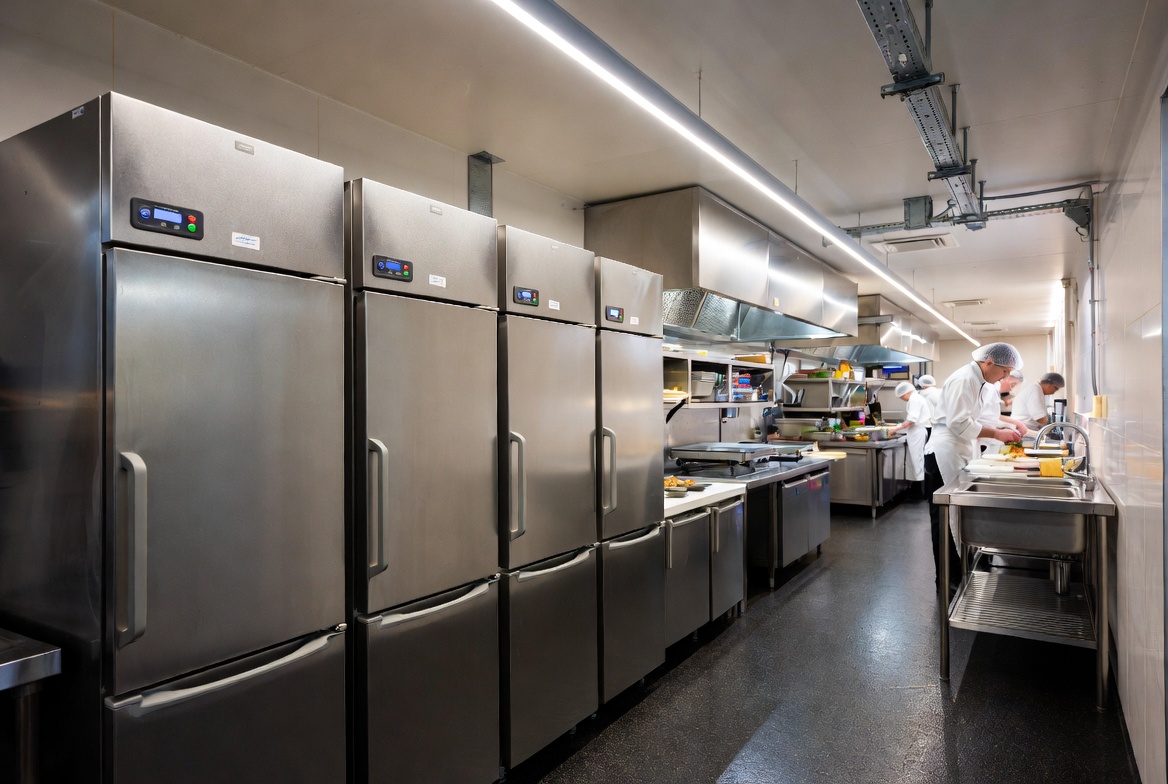
Where you physically place your equipment tightly dictates how hard it has to work. Refrigeration units do not magically create cold; they extract heat from the internal space. To do this successfully, they require excellent airflow around their exterior to disperse the extracted heat into the room. If you wedge an appliance tightly between a brick wall and a hot commercial oven, you are setting it up for absolute failure.
Imagine sitting in a hot sauna while holding a small bag of ice. The ice will melt incredibly fast because of the aggressive surrounding environment. If a fridge sits near fryers, grills, or unshaded south-facing windows, the high ambient temperature forces the compressor to run constantly. You must leave adequate clearance space above, behind, and to the sides of the unit according to the manufacturer’s exact guidelines.
Good ventilation allows the hot air generated by the condenser to float away harmlessly. If the air is trapped, the unit recirculates its own exhaust heat, causing a massive spike in power consumption. For tight, restricted spaces behind a bar or in a small kitchen, consider exploring our premium under counter freezers specifically designed with clever front-breathing ventilation systems. Strategic placement is a completely free method to consistently save energy commercial fridge operations rely on daily.
Dealing With Ice Accumulation and Defrost Cycles
Ice buildup is the absolute enemy of mechanical efficiency. When ice heavily accumulates on the evaporator coils inside the cabinet, it acts as a thick, thermal insulator. This prevents the chemical refrigerant from effectively absorbing heat from the air inside the fridge. Most modern appliances feature automatic defrost cycles, but they must be monitored closely to ensure they are functioning as intended.
If the defrost cycle runs too frequently, you are wasting precious energy artificially heating the coils. Contrarily, if it does not run enough, thick ice completely chokes the system. If you notice a thick layer of frost building up inside your cabinets, you must investigate immediately. It usually indicates a faulty defrost timer, a broken seal letting in warm humid air, or a blocked drainage tube. Keeping the internal components entirely free of ice ensures the fan can circulate chilled air effortlessly. If manual defrosting is becoming a massive chore, we highly recommend upgrading to our frost-free sliding glass chest freezers and spacious storage fridges.
Mastering Internal Airflow and Smart Restocking Practices
How you logically load your shelves dramatically influences your overall power usage. Cold air desperately needs physical space to circulate evenly throughout the entire cabinet. If you pack the shelves so tightly that air cannot easily flow, the temperature will quickly become uneven. The electronic sensors will detect warm spots and force the compressor to work harder, yet the food completely trapped in the centre will still not cool properly.
Always adhere strictly to the load lines clearly marked inside open fridges and display freezers. Never block the internal fans or the cold air return vents. Furthermore, understand the vital concept of thermal mass. A fridge completely empty of product loses cold air incredibly rapidly when the heavy door opens. A well-stocked unit perfectly retains its cold temperature better because the chilled solid items help actively cool the warm air that rushes in. Water bottles are absolutely great for maintaining thermal mass in drinks fridges during quieter trading periods. Smart, logical organisation prevents cold air from escaping and ensures the appliance cycles properly.

Navigating Technology and Upgrading Your Equipment
Sometimes, you have to spend a little money upfront to save a vast amount of money long term. If your current equipment is well over a decade old, it is highly likely using outdated technology and harmful, inefficient chemical refrigerants. Older models run constantly, aggressively drain your electricity, and require frequent, expensive repairs. Eventually, the total cost of keeping an old machine alive heavily outweighs the price of a brand-new, modern equivalent.
Newer models utilise highly advanced hydrocarbon refrigerants, vastly superior insulation materials, and EC (Electronically Commutated) fans that consume a mere fraction of the electricity. When actively browsing for upgrades, always look for high energy performance certificates and eco-friendly manufacturing features. Upgrading to an energy efficient commercial refrigerator offers an excellent return on initial investment. The monthly savings on your utility bills very often completely cover the cost of the new appliance over just a few short years. Check out our impressive range of upright storage fridges and heavy-duty storage freezers built precisely for modern commercial energy demands.
Frequently Asked Questions
What temperature should a commercial fridge be set at?
For general commercial food storage, it is heavily recommended to keep chilled food at 8°C or below. Ideally, commercial chillers should be set precisely between 1°C and 4°C. This specific range ensures rapid cooling, maintains freshness, and keeps harmful bacteria strictly at bay. Setting it lower than 1°C can accidentally freeze sensitive items like lettuce and wastes excessive electrical energy.
How often should I service my refrigeration equipment?
You should conduct visual inspections and basic physical cleaning, such as brushing the condenser coils and thoroughly wiping the door seals, at least once a month. However, a fully qualified refrigeration engineer should absolutely perform a comprehensive, professional service every six to twelve months. They will meticulously check refrigerant levels, electrical connections, and the overall health of the compressor.
Can overstocking increase my energy bills?
Yes, absolutely. Packing far too much product into the tight cabinet heavily restricts the vital internal airflow. The cold air simply cannot circulate efficiently to the front or middle of the packed shelves. The internal thermometer eventually registers a high temperature, commanding the compressor to keep running endlessly to compensate. Always keep your stock perfectly organised and never block the circulation fans.
Are open display fridges expensive to run?
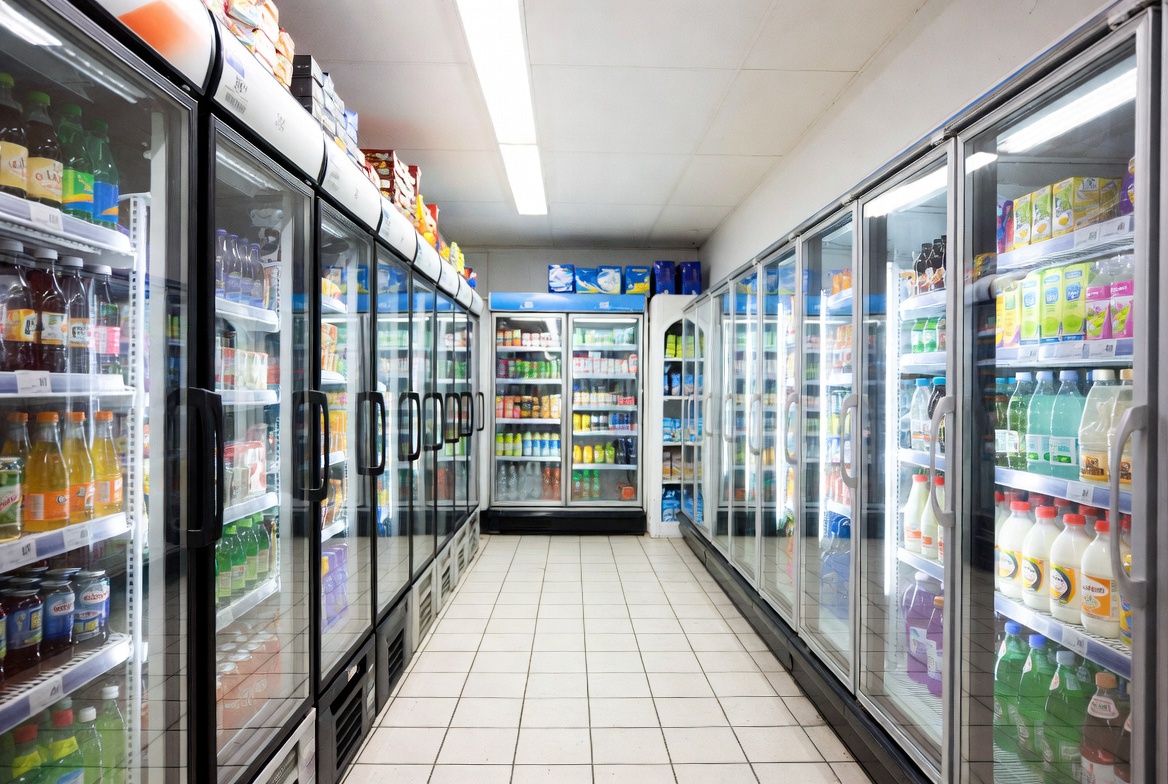
Multideck fridges do naturally use more power than glass door alternatives simply because they are constantly exposed to the warmer ambient environment. However, you can brilliantly minimise this specific cost by maintaining a highly stable shop temperature, keeping the display unit far away from draughts, and religiously pulling down the night blinds when the shop is closed.
Transforming Your Kitchen Operations into a Profit-Saving Powerhouse
Transforming your daily business practices to heavily prioritise an energy efficient commercial refrigerator setup requires a solid mix of excellent daily habits, strict regular maintenance, and clever strategic planning. Simple, direct steps like routinely cleaning condenser coils, checking your door seals, and actively teaching your hardworking staff to shut doors quickly create a profound financial impact over a trading year. By actively working to save energy commercial fridge costs drop dramatically, directly leaving you with vastly more capital to confidently invest back into the growth of your business. Treat your essential appliances with immense respect, give them the physical space they require to breathe, and they will consistently reward you with years of reliable, low-cost chilling.
If your current equipment is completely beyond repair or simply costing far too much to run, it is definitively time for a smart upgrade. We at Display-Fridge Wholesale provide superior commercial fridge equipment to hospitality markets all over the United Kingdom. We supply commercial refrigerators and freezers to businesses throughout England at a wholesale price. Whether you need stylish display refrigerators for a high-street café, robust restaurant freezers for a busy butchery, or compact under counter freezers for a demanding bar setup, we have the perfect solution ready for dispatch. Purchase an affordable commercial refrigerator now!