 0 items –
Discover essential commercial chest freezer uses for deep, long-term storage of bulk frozen meats and ingredients in UK kitchens. Understanding how to store vast quantities of ingredients safely and efficiently is paramount for any successful hospitality business. Have you ever considered how much perfectly good produce goes to waste simply because it was not stored at the correct ambient temperature? Proper refrigeration is the backbone of food safety and culinary consistency.
When operating a busy restaurant, pub, or catering service, managing food inventory requires precision. A reliable freezing system acts as an insurance policy for your valuable stock. We see countless kitchens struggling with inadequate storage space, leading to compromised ingredient quality and increased daily operational stress. Therefore, investing in appropriate equipment remains a fundamental requirement for long-term operational success. The thermal dynamics of bulk freezing might seem complicated at first glance. Still, the underlying principle is quite straightforward. Think of a large freezing unit as a heavy thermal vault; once the temperature drops, it aggressively holds onto that cold air, protecting the contents from external heat fluctuations.
Here at Display-Fridge Wholesale, we understand the rigorous demands placed on professional kitchen equipment. You need robust appliances capable of withstanding constant daily usage while maintaining rigorous health and safety standards. So, exploring the specific applications and advantages of these large storage units will help you make informed purchasing decisions for your establishment.
👉 SHOP OUR COMMERCIAL CHEST FREEZERS
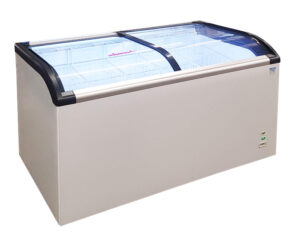
💡 Key Takeaways
- Bulk storage of raw proteins requires consistent, deep freeze temperatures to prevent dangerous bacterial growth.
- Horizontal freezing units offer superior energy retention because cold air naturally sinks and remains trapped inside during lid openings.
- Organising seasonal harvests in a dedicated freezing unit significantly reduces annual food purchasing costs.
- Complementary refrigeration, such as commercial freezers or countertop fridges, works best alongside main storage units.
- Strategic placement in well-ventilated areas ensures compressor longevity and minimises electricity consumption.
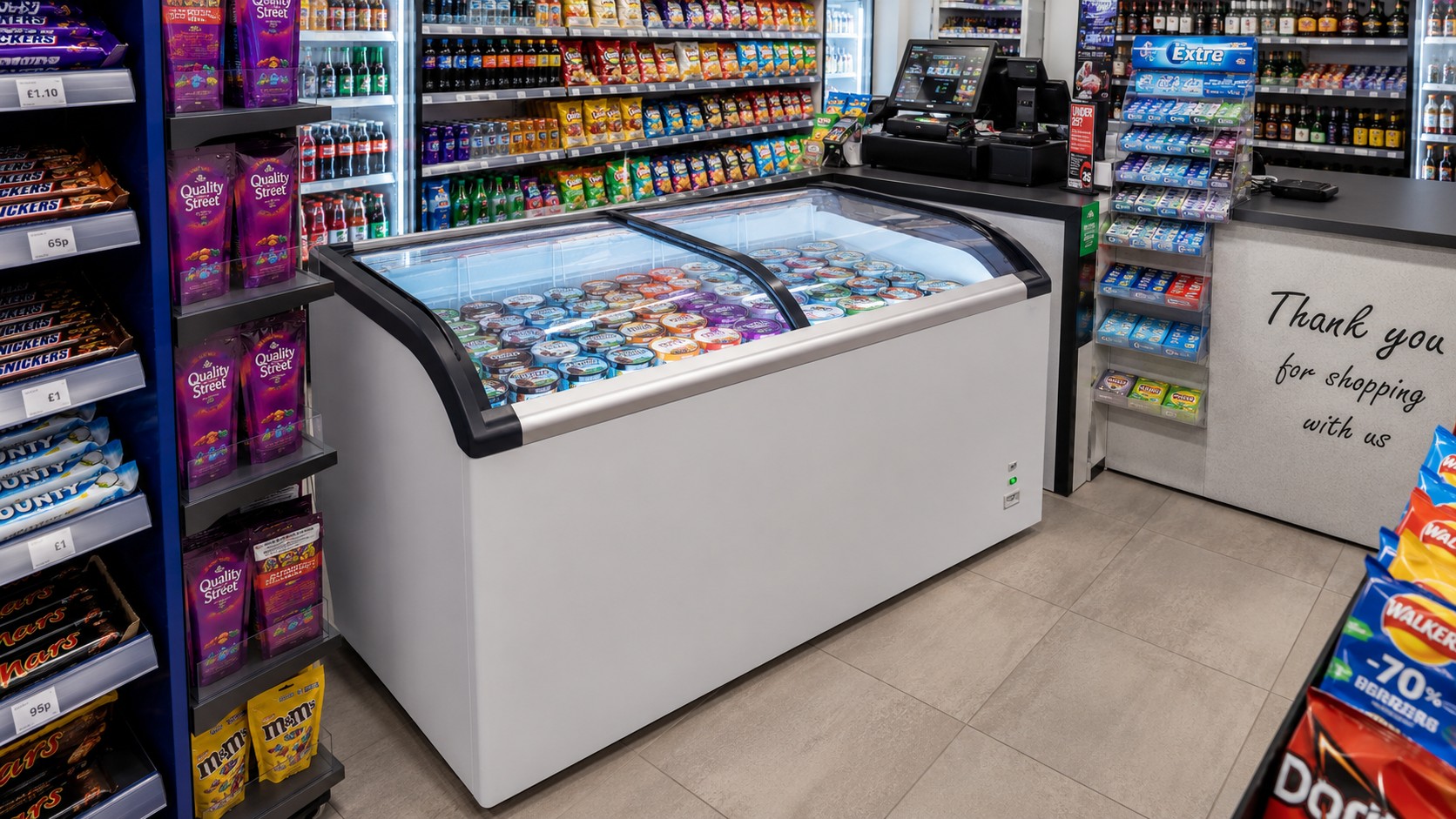
Primary Commercial Chest Freezer Uses in the UK Hospitality Sector
The fundamental commercial chest freezer uses revolve around the necessity for high-volume, long-term preservation. A busy commercial kitchen handles hundreds of covers a day, necessitating massive quantities of base ingredients. Buying in bulk is economically sensible. However, without adequate storage, those bulk savings evaporate through food spoilage. These robust units act as the primary warehouse for your most valuable frozen assets. You can think of them as the deep-storage vault of your culinary operation.
Daily prep lines require immediate access to ingredients, which is why under counter freezers are brilliant for immediate service. Yet, those smaller prep units must be replenished constantly. That is precisely where a deep freezer commercial unit proves indispensable. It holds the reserve stock. Caterers heavily rely on these horizontal units to stockpile pre-prepared meals, large joints of meat, and bulk bags of frozen vegetables. The vast, unpartitioned interior space accommodates awkward, bulky items that simply would not fit on the rigid shelves of a standard upright appliance.
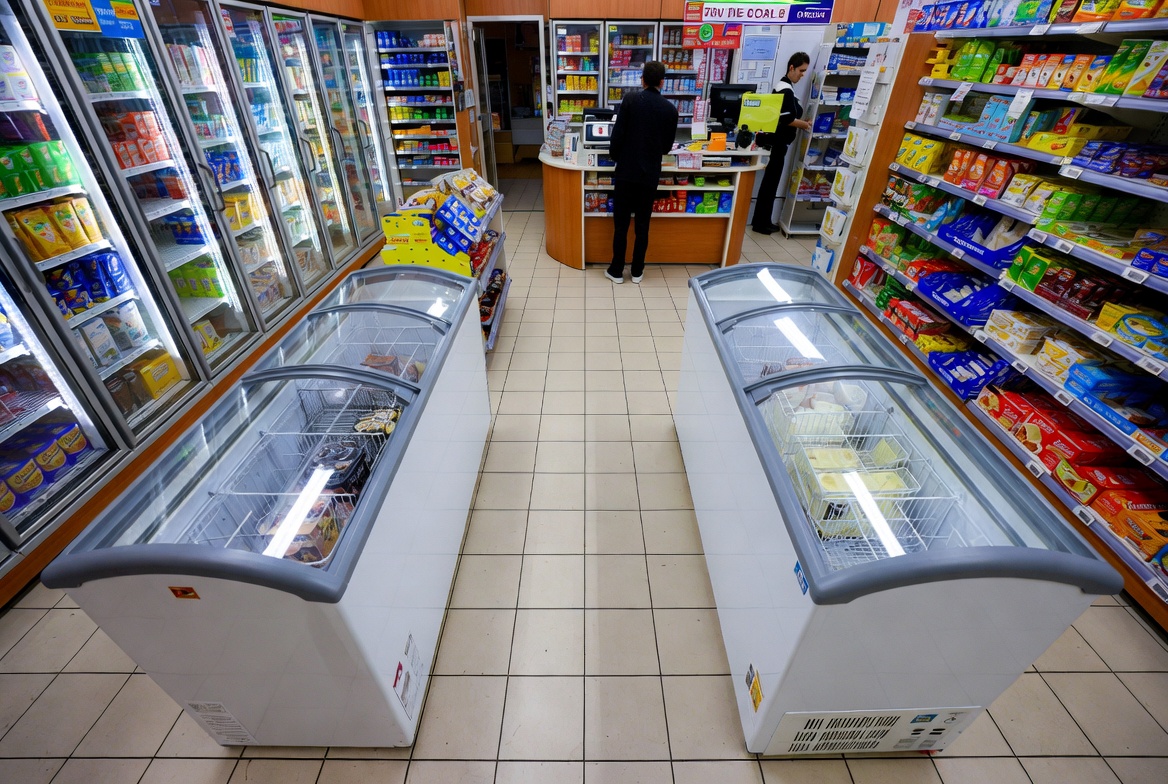
Consider a traditional British pub preparing for a busy Sunday carvery. The kitchen needs to store massive turkey crowns, whole legs of pork, and huge quantities of Yorkshire pudding batter bases. A horizontal storage unit easily swallows these oversized items. Moreover, bakeries utilise them to store massive batches of dough and pastry, arresting the proving process until exactly when the items are required for the early morning bake. If your operation involves direct customer sales, you might prefer to browse our sliding glass chest freezers or perhaps our display freezers to encourage impulse purchases. Regardless, for pure back-of-house storage, the solid lid horizontal freezer remains an unbeatable asset.
Maximising Bulk Storage With A Deep Freezer Commercial Unit
Understanding the thermal capacity of your storage equipment transforms how you manage kitchen inventory. A well-managed freezing unit allows a chef to dictate the menu based on seasonal abundance rather than daily market scarcity. Let us break down exactly how these appliances manage different categories of food stock.

Long-term Preservation of Bulk Frozen Meats
Meat represents one of the highest expenditures for any catering business. Protecting this investment requires maintaining consistently low temperatures to halt microbial growth and prevent freezer burn. A freezer commercial unit excels at creating a stable microclimate. When you place a massive order of beef joints or whole poultry, you need absolute certainty that the core temperature of the product will drop quickly and remain there safely.
The Food Standards Agency heavily regulates the safe storage of meat products. Please review their comprehensive guidelines on chilling and freezing food. Maintaining a temperature of -18°C or below is critical. Horizontal freezers achieve this stability effortlessly because of their design. Wrapping meat properly before storage is like putting on a thick winter coat before stepping out into the snow; it prevents the harsh, dry air from drawing moisture out of the protein. Properly vacuum-sealed meats stored in these units can last for several months without any degradation in texture or flavour. This capability allows you to negotiate better prices with your butchers by purchasing whole cuts during periods of low market demand. If you require vertical organisation for specific cuts, our upright meat freezers provide excellent specialised storage.
Safekeeping Seasonal Ingredients and Prepared Stocks
Every experienced head chef knows the value of capturing seasonal flavours. When summer berries are abundant and inexpensive, buying them in massive quantities makes financial sense. However, they perish quickly at room temperature. Utilising commercial chest freezer uses for seasonal ingredient storage allows a kitchen to serve summer fruit coulis in the dead of winter.
Batch cooking is another area where these units shine brightly. Preparing vast cauldrons of stock, reducing them down, and freezing them in large, stackable containers saves countless hours of future prep time. Think of it like putting money into a culinary savings account; you invest the labour now to withdraw the flavour later. The sheer volume of a horizontal freezer means you can stack dozens of these containers securely. You avoid the daily grind of making fresh stock from scratch, ensuring a consistent flavour profile across your menu. Anyway, this method drastically reduces kitchen stress during peak service hours. For ingredients that need to be kept chilled but not frozen, our storage fridges offer perfect complementary cooling solutions for your prepared stocks.
Ice Cream and Frozen Dessert Management
Desserts often require specific temperature ranges to maintain their delicate textures. Ice cream, for instance, can quickly form unpleasant ice crystals if subjected to frequent temperature fluctuations. A deep freezer commercial unit provides a consistently harsh cold environment, perfect for long-term storage of bulk ice cream tubs before they are moved to the serving area.
When the lid is closed, the internal environment remains undisturbed. This is crucial for delicate pastries and frozen mousses that might collapse or weep if the temperature rises even slightly. Once these desserts are ready for service, they are typically transferred to more accessible units. For front-of-house dessert presentation, cake fridges and sandwich fridges are exceptional for displaying chilled treats, while our dedicated glass door freezers are perfect for merchandising individual frozen lollies and ice cream tubs directly to the consumer. Still, the heavy lifting of long-term preservation always happens back-of-house in the horizontal storage unit, ensuring that every scoop of vanilla bean ice cream served is perfectly smooth and free from icy grit.
Essential Benefits of Implementing Chest Freezers in Your Kitchen
- Exceptional Energy Efficiency: Cold air is denser than warm air. It naturally sinks. Imagine filling a bathtub with water; the water stays in the tub until you pull the plug. Similarly, when you open the lid of a horizontal freezer, the heavy cold air remains pooled at the bottom. It does not spill out onto the floor. This means the compressor does not have to work frantically to re-cool the interior every time the lid is opened, leading to significant electricity savings. You can find more information on energy-efficient refrigeration practices at the Carbon Trust.
- Unrivalled Spatial Capacity: Without internal shelves dictating how you organise your stock, you utilise almost 100% of the internal volume. You can easily store irregularly shaped items, massive bulk bags of chips, or whole animal carcasses. It is essentially an empty box waiting to be filled to the brim.
- Superior Temperature Retention During Power Outages: Power cuts are a nightmare for any food business. However, due to the dense insulation built into the walls and lids of these appliances, they act like giant cool boxes. If kept closed, a well-stocked horizontal freezer can keep food safely frozen for up to 48 hours without electricity.
- Cost-Effectiveness and Durability: Generally, these units are mechanically simpler than their upright counterparts. They have fewer moving parts, no auto-defrost heating elements constantly cycling, and highly durable hinges. This simplicity translates to a lower initial purchase price and reduced long-term maintenance costs. They are reliable workhorses designed to sit quietly in the corner and do their job flawlessly.
Strategic Placement and Organisation for Maximum Efficiency
Where you place your refrigeration equipment drastically impacts its performance and lifespan. You cannot simply shove a large freezer into a hot, unventilated corner and expect it to function perfectly. Compressors generate heat as they remove thermal energy from the inside of the cabinet. That heat must dissipate into the surrounding air. If the ambient temperature is too high, or if airflow is restricted, the compressor will overwork, burn out prematurely, and consume vast amounts of electricity.
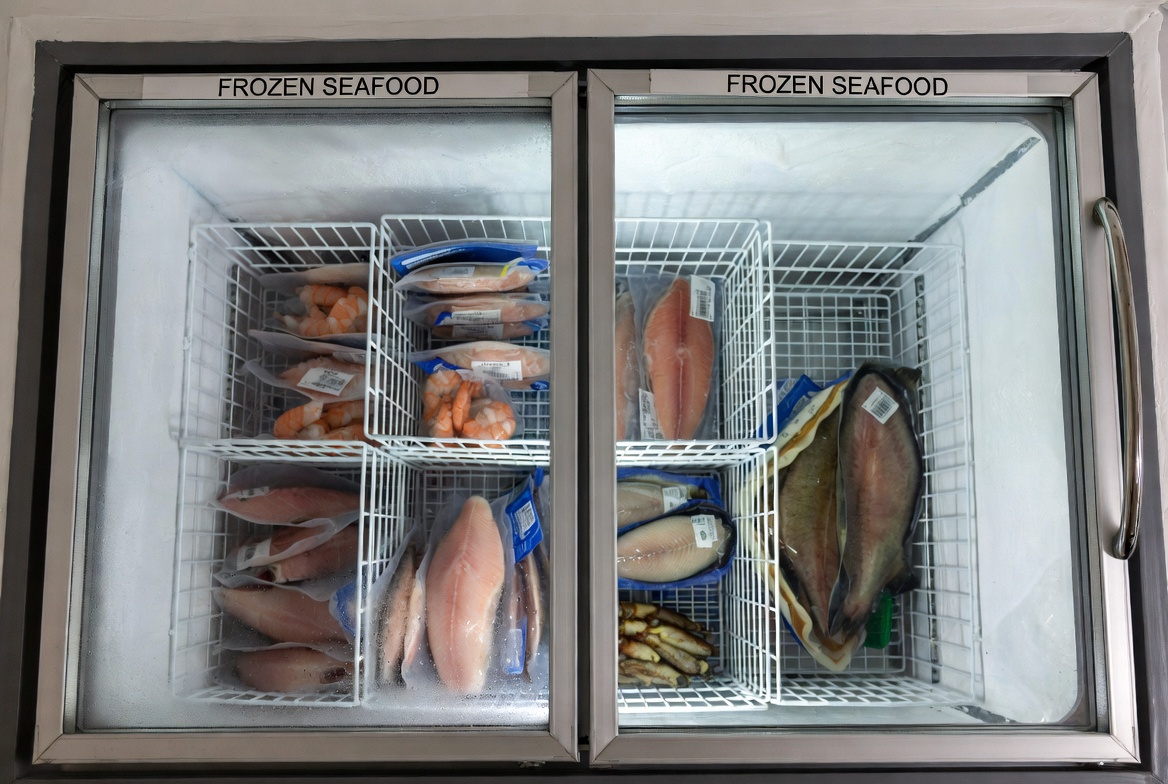
Always leave an adequate gap between the unit and the wall. Think of it like giving the machine room to breathe. Proper organisation inside the cavity is equally crucial. Have you ever watched a staff member blindly digging through a chaotic freezer for ten minutes looking for a specific bag of prawns? That wasted time costs money and lets warm air slowly seep into the upper layers of the food. Utilise heavy-duty, colour-coded baskets to compartmentalise the space. Keep older stock near the top to ensure proper stock rotation. Maintain an accurate inventory list taped to the lid. So, when someone needs an item, they know exactly which sector of the freezer to access, reducing the time the lid remains open. For ingredients required immediately on the cooking line, our under counter fridges and deli counters provide the perfect temporary chilled storage, allowing the main freezer to remain securely closed.
Comparing Storage Freezers: Chest vs Upright Models
Choosing between horizontal and vertical storage often depends entirely on the physical footprint of your kitchen and the daily workflow of your staff. Both designs serve the same fundamental purpose, yet they cater to very different operational requirements. Understanding these nuances prevents costly equipment mismatching.
👉 SHOP OUR COMMERCIAL FREEZERS


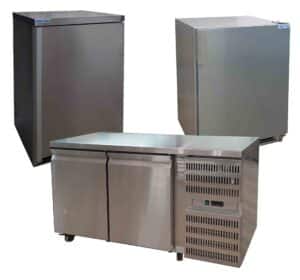

When to Choose Upright Storage Freezers
Vertical freezers are exceptionally popular in kitchens with limited floor space. They take advantage of vertical height, offering multiple shelves for highly organised, easily visible storage. If your menu requires chefs to constantly dip into the freezer for different small ingredients throughout a busy service, an upright model is highly practical.
Opening a vertical door allows instant visual access to all shelves simultaneously. You can instantly locate a small box of specialist herbs or a specific cut of fish. Moreover, for customer-facing environments where visual appeal is necessary to drive sales, upright glass door freezers are completely indispensable. They showcase the products beautifully while maintaining safe temperatures. However, the trade-off comes with energy efficiency. Every time you open a vertical door, gravity pulls the heavy cold air out and down onto the floor, while warm kitchen air rushes in to replace it. The compressor must immediately activate to recover the lost temperature.
Why Chest Configurations Excel for Deep Freezing
Contrarily, horizontal configurations are entirely designed for volume and stability. As established, they retain their cold air brilliantly. While they require more floor space, their capacity per square foot is far superior. You are not losing internal space to shelving brackets or internal fans.
They are the ultimate solution for deep, long-term freezing. If you process half a cow, you simply cannot fit those massive cuts onto the delicate wire shelves of an upright unit. You need the open cavern of a horizontal model. Yes, retrieving items from the very bottom requires more physical effort, which is why proper inventory management is vital. Still, for bulk storage where items are only retrieved once or twice a day to replenish the smaller prep line fridges, they remain completely unmatched in performance and reliability. For temporary holding during service, a combination of deli counter fridges and drinks fridges ensures that both food and beverages are kept perfectly chilled and accessible.
FAQs About Commercial Chest Freezer Uses
How do I defrost my deep freezer commercial unit efficiently?
Manual defrosting is necessary to maintain energy efficiency. Unplug the unit and transfer all food to alternative storage, such as your storage freezers. Leave the lid open and let the ice melt naturally. Do not use sharp implements to chip the ice away, as this can puncture the refrigerant lines. Place towels at the base to soak up the water, then clean the interior with a mild, food-safe sanitiser before powering it back on.
Can these freezers be kept in an unheated outbuilding?
Many modern units are equipped with concealed condensers and advanced technology that allows them to function in sub-zero ambient temperatures. However, you must explicitly check the manufacturer’s specifications. Placing a standard indoor model in a freezing outbuilding can cause the compressor oil to thicken, ultimately leading to total mechanical failure.
What is the optimal temperature setting for bulk frozen meats?
The optimal temperature for storing bulk frozen meats safely is -18°C (0°F) or lower. At this temperature, bacterial growth is completely suspended, and the enzymatic breakdown of the food is drastically slowed. It is highly recommended to use an independent digital thermometer placed inside the cabinet to verify the temperature daily, rather than relying solely on the exterior dial.
How long can I expect my deep freezer commercial unit to last?
Generally, these robust appliances boast a lifespan of 10 to 15 years in a busy commercial environment. However, this longevity heavily relies on proper maintenance. If you regularly clean the external condenser coils and ensure the unit sits in a well-ventilated area, it will serve your kitchen reliably for over a decade. Still, pushing the compressor beyond its limits by overloading the cabinet or blocking airflow will drastically reduce its operational life.
Why is my chest freezer building up frost so quickly?
Rapid frost build-up usually points to an issue with the rubber door gasket. If the seal splits or degrades, warm, moisture-laden kitchen air constantly seeps into the freezing chamber. Once that moisture hits the cold interior walls, it instantly turns into solid ice. So, check your seals regularly with a simple piece of paper; if the paper pulls out easily when the lid is shut, the seal needs replacing. Yet, frequently leaving the lid open for extended periods during busy shifts also contributes significantly to this annoying problem.
Are these units suitable for storing bulk bagged ice?
Yes, storing large quantities of bagged ice is one of the most common chest freezer uses in pubs and large event venues. The static cooling system means the ice remains solidly frozen without clumping together, which sometimes happens in fan-assisted upright models. Anyway, keeping a dedicated horizontal unit just for ice prevents cross-contamination from raw meats and ensures your bartenders always have a massive supply ready for a busy Friday night service.
What is the difference between static and fan-assisted freezing?
Most horizontal storage units rely on static cooling, meaning the refrigerant pipes run directly through the inner walls, radiating cold naturally without internal fans. This creates a highly stable, completely still freezing environment perfect for long-term storage. Contrarily, fan-assisted units actively blow cold air around the cabinet to achieve faster chilling times. While fans are excellent for our upright models where rapid temperature recovery is vital after frequent door openings, static cooling remains the superior choice for preserving massive bulk items over many months without drying them out.
Master Your Kitchen Storage: The Unbeatable Power of the Chest Freezer
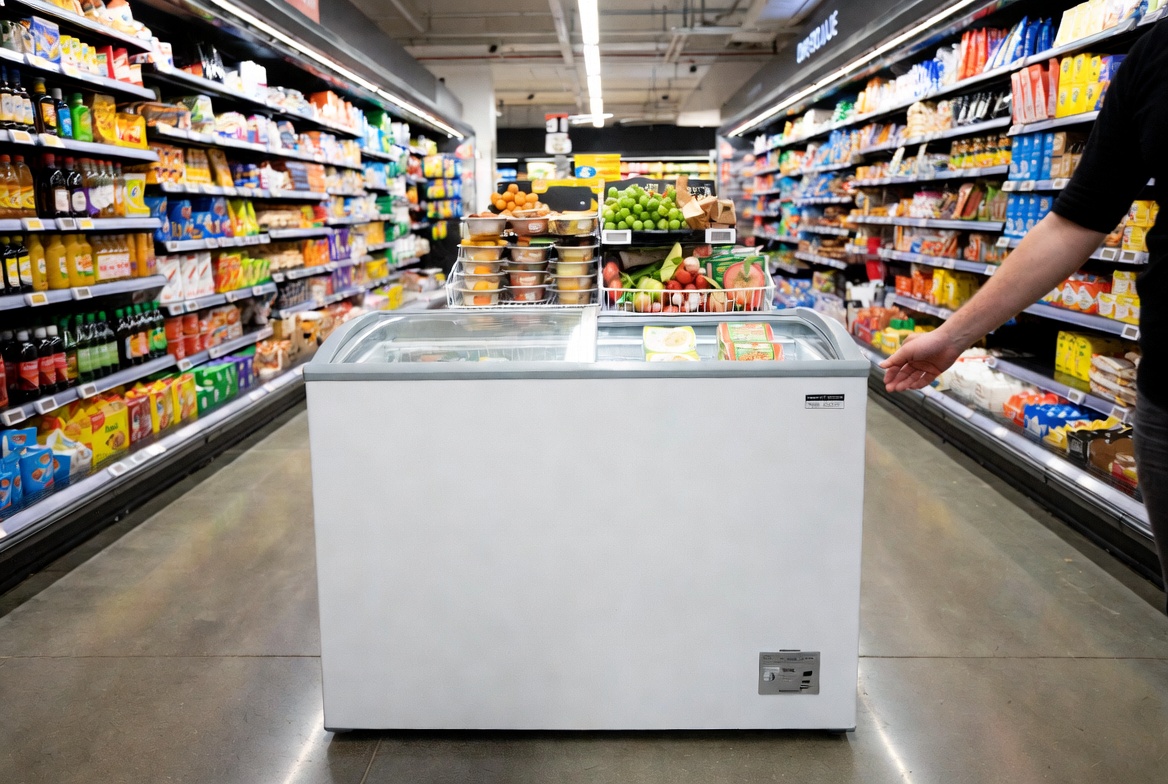
Understanding commercial chest freezer uses fundamentally changes how a hospitality business manages its bulk inventory. From securing massive discounts on wholesale meat purchases to locking in the vibrant flavours of seasonal harvests, a deep freezer commercial appliance is a cornerstone of modern culinary operations. They provide unparalleled thermal stability, massive internal volume, and incredible energy efficiency. By implementing proper organisational strategies and placing the equipment in well-ventilated areas, you guarantee a long-lasting, highly effective cold storage solution. When paired correctly with active service refrigeration like multideck open fridges, your kitchen will operate with unprecedented smoothness and cost-effectiveness.
Display-Fridge Wholesale UK provides superior commercial fridge equipment to hospitality markets all over the United Kingdom. We supply commercial refrigerators and shop freezers to businesses throughout England at a wholesale price.