
 0 items –
Owning a grocery store is time-consuming, but if you can make it work, it has the potential to be financially lucrative with significantly less maintenance than running a retail store. Plus, there’s a sense of accomplishment in having customers fill their shopping baskets with healthy puns. If you’re interested in starting a grocery store, it’s important to make a plan and have the financial backing before doing so. You’ll need to work hard and purchase the supplies, permits, leases & other necessary components.
There are a couple of things you should consider. If you open a stand-alone store, there is more control. But if you partner with a large grocery chain, they should provide the necessary support needed for running the business. You have full control to decide on what inventory to buy as well as when you will have sales and what promotions you will use.
Signing up for a franchise can be a great move, depending on what you’re looking for. But it does come with some trade-offs – like not having complete control of what you sell and how much you sell it for. A franchise might also want some of your profits.
Here are some potential pros and cons of adopting AI writers to evaluate before making your final decision
Research the market
When starting any business, it is important to do your research first. This is especially true when starting a grocery store, as there are many factors to consider. In order to make your business successful, you need to know who your target market is, what products they want, and what pricing they are willing to pay.
Once you have a good understanding of the market, you can start developing your business plan. This will include details on things like the store’s layout, what products you will carry, and how you plan to market your business. It is also important to have a realistic budget in mind, as starting a grocery store can be expensive.
If you have the time and resources, it can also be helpful to start by doing some market research yourself. This will give you a better understanding of what products are in demand and how much competition you will face. However, if you’re short on time or money, there are plenty of other resources available online or through your local Small Business Administration office.
No matter what route you take, doing your research is critical to the success of your grocery store. By taking the time to understand the market and develop a sound business plan, you can give your business the best chance for success.

Economic Analysis
After completing the feasibility checklist, entrepreneurs should conduct a market analysis. This involves gathering information about potential locations and the community or market demographic in order to conduct a successful business. One key aspect is to assess the market potential and determine what area would be best for your store by looking at things such as location, rent costs, the density of population, population trends etc.
If you are in a hurry, can’t find what you want nearby or happen to be living in a rural area, small, local grocery stores may be your best bet. But some item prices may be higher to cover their high-travelling costs.
When customers are done with one grocery store, they might go to another independent grocer because they appreciate how personal it is. An important part of market analysis is understanding what your customers want and a market survey can help you find out.
Estimating demand
You’ll want to do some research before deciding whether a convenience store is right for your area. First, compare the number of stores selling convenience goods in the surrounding area and see if there is enough demand. Convenience lines include items such as cigarettes and newspapers. They also have food and drink at a variety of levels, including ’emergency’ items; this includes goods like fruit or sweets. Keep in mind that petrol stations are often a good place to get various items. Newsagents have begun opening convenience stores, as well. The major supermarkets have opened up many smaller c-store outlets and plan to open even more.
Catchment area
Before deciding on a location, it’s good to take into account any customers that might live in the area – which might determine the products and services you offer too. If your business has a lot of customers in break time, why not offer your goods during that time? Here are some ideas for food & drink to serve as a takeaway. But you might also want to provide a range of microwavable dinners for people to pick up on their way home. If there are blocks of sheltered housing for elderly people, you might consider offering delivery services.
Competition in the Industry
Competition is inevitable and there will always be some good and bad effects. The key is to accept that competition may have its effect on you, but this shouldn’t stop you from continuing with whatever it is you’re doing. It is important to keep in mind that you are in business because you feel like you could do a better job. You can do it more efficiently and with greater satisfaction than your customers have come used to. Competition is unavoidable in business, but try to use it as a resource to help you feel more confident. Think about what other companies and organizations are doing and how that could apply to your business plan.
Find out what people want from Grocery Stores
Independent outlets might have a hard time surviving. Make sure to talk to people in your area about your products (after all, they’ll be the ones using them) to find out:
-
What sort of products would you want me to stock?
-
Which opening hours would work best?
-
You should decide whether you’d like to offer services such as newspaper or grocery delivery.
-
What people think of your proposals can have a significant impact on their response to every single detail. Make sure you look out for what they’re thinking and if they don’t give you any hints, just ask them.
Choose a Catchy Business Name for your Grocery Shop
When it comes to naming your business, it’s important to choose something that is catchy and memorable. You want your customers to be able to easily recall your business name, so they can easily find you when they need to make a purchase. You also want your name to reflect what you sell, so people know what type of store they are walking into.
When choosing a name for your grocery shop, you also need to think about what you want it to be called. Some of the options that you have to include:
-
Grocery Shop
-
Food Store
-
Supermarket
-
Market
-
Convenience Store
The name that you choose for your store will depend on the type of store that you want to create. If you want to create a small, local store, then you may want to call it a “Grocery Shop”. If you want to create a larger store, then you may want to call it a “Supermarket” or “Market”. Whichever option you choose, make sure that the name is easy for people to remember.
Protect your Intellectual Property With Trademark, Copyrights, Patents
You should consider filing for intellectual property protection. IP protection can be done not just for your business’s logo and other documents, but also the company name. If you are looking to file for intellectual property protection and also register your trademark in the United Kingdom, then you cannot skip the preliminary step of starting an application. The final approval process for your trademark will depend on the government institution’s review. You should consider filing for intellectual property protection. IP protection can be done not just for your business’s logo and other documents, but also the company name. If you are looking to file for intellectual property protection and also register your trademark in the United Kingdom, then you cannot skip the preliminary step of starting an application.
Establish your customer profiles
When running a business, you may well have customers of different types, like:
-
Many people will visit a grocery store that’s on their way to work and buy several things, even if they don’t live in the area
-
local residents such as families with kids, elderly people, or people out of work that is in the area a lot.
-
people who live outside the capital and commute in for work
-
There’s no need to limit your marketing list to chain stores & big corporations. A good way to appeal to a local audience may be by advertising in newspapers, milk, coffee and other everyday items that people can buy at the supermarket or convenience store.
-
People on the move are able to use cafes that provide nearby parking.
-
Trade customers are those you supply products to, at a reduced cost.
Your customers may vary in the type of goods they buy – many will be repeat customers, who you’ll build a personal relationship with.
Decide What Niche to Concentrate On
-
Local foods and ingredients grocery store
-
International foods
-
Gluten-free, organic or vegan groceries
-
Frozen foods
Special offers and discounts
When you lower the price, customers are more likely to buy your goods. This can also be an effective marketing strategy to attract more customers and grow your business, however, there is also a chance you might not profit from it and instead suffer losses. Compile as much information about your competitors as you can. Follow what they do and see with offers they have on now and remember to measure the results for your efforts. The opposite of this is called “raising the price”. This can take the form of increasing a product’s cost or markup. When you raise the price, your customers are less likely to buy your goods and even more likely to buy from competitors. You may not recover any losses and instead suffer profit loss when you do this, which can be an effective marketing strategy.
Customize your Grocery Store
Marketing is the key to success for any business. How can we get customers to choose us over our competitors? Check out the competition to see what they have in terms of cuisine and non-food items, as well as services. What services do they provide? What are the costs? What are their opening hours like? What type of clientele do they attract? Is the location modern and elegant? It might be a good idea to look for opportunities in the convenience store market. Need something to eat or drink on the go? It turns out that our local mall doesn’t sell those things, so there’s an opportunity right there.
Marketing is the key to success for any business. How can we get customers to choose us over our competitors? Check out the competition to see what they have in terms of cuisine and non-food items, as well as services. What services do they provide? What are the costs? What are their opening hours like? What type of clientele do they have? Who are the lead managers of their team? Identifying your competition is key in knowing where you fit and what is important for your business.
Decide which products your convenience shop will sell
You won’t have enough room or money to compete with the supermarkets on price, and you won’t be able to offer a wide selection of goods. Successful businesses have:
-
Narrowed the selection to groceries and household essentials
-
For example, focusing on top-up, emergency or impulse purchases like when a customer is running low on dish soap, they can purchase and have it delivered.
-
You’ve introduced fresh produce alongside healthy types of food. Some stock organic products or local produce.
Most grocery stores sell the following items:
-
Staples such as bread and milk are staples that everyone needs to purchase.
-
Cakes, sandwiches, takeaway/fast food, chilled ready-made meals
-
Dairy products like butter, cheese and yoghurt are just some examples of what we offer.
-
Alcohol and non-alcohol drinks.
-
Instant coffee and hot drinks you can make on the go are easily available.
-
Fresh fruit and vegetables.
-
Newspapers and magazines.
-
Cigarettes and tobacco.
-
Confectionery.
-
Products from our store include a variety of everyday items, like pet food and toilet paper.
Individual customers might only spend a little bit of money but ideally, they come into your store very often.
Get the Necessary Professional Certification
You can report your intention to the relevant authorities. Once they are informed, they will make an inspection visit to your premises to see if you meet all the safety and regulatory standards. If the authorities approve your business plan, you can move on to other related tasks.
Before starting your business, you will need to obtain licenses and permissions from the relevant authorities. A professional certificate isn’t needed but it can help provide a level of confidence in your skills/abilities.
Get the Necessary Legal Documents You Need to Operate
Register with the government to start your company. Each state has its own legislation. To get the paperwork you’ll need to establish your business as well as find out if a license is required for bookkeeping, contact your local Department of Commerce and Department of Licensing.
You’ll also want to set up a checking account specifically for your business and get a tax ID number. This will allow you to track your company’s finances separate from your personal ones.
Make a Business Plan
Business plans are a crucial part of starting any new business, as they provide a way for you to communicate with investors and other people who can give you the resources that your business will need. Creating a business plan is essential to the success of your company. It gives you realistic goals and helps you focus on what needs to get done in the next 3-5 years without getting overwhelmed by every task.
Business plans vary depending on the type of business for which the plan is being made. Some factors that may affect this include reputation and age of the company. Companies often use this format in their business plan: introduction, problem, goal, marketing plan overview, financial considerations, and risk-reward-analysis. It is helpful to talk to an accountant or a business development centre for help with the more technical aspects of your company’s plans.:
Recordkeeping, payroll and accounting are all necessary for the success of a business. Record keeping and payroll are usually provided by the business. Accounting is when you look at these things to understand them better. An accountant can give you a clear picture of your business. They may help with suggestions for how to keep your books in order. They may also advise on tax matters, like when to talk to a professional about what’s applicable for your company.
Hiring the right lawyer can be hard because there are so many specializations to choose from. Your best bet is to get in touch with an attorney and see if they are able to meet your requirements. For example, for those who need help in the grocery or retail sector, it becomes important that the lawyer has extensive experience in this area. When coming up with a business plan it can be difficult to decide which professionals to hire. It’s important to carefully think about the skills needed before deciding on your final choices.
Raise the Needed Startup Capital
Banks are not the only option when it comes to borrowing money. For example, peer-to-peer loans, community banks, and credit unions are just a few of the options. You have various other options when it comes to finding money.
Your own resources
Do a comprehensive inventory of your assets. You’re more likely to have more assets than you realise, which can include savings accounts, property equity and other investments. You may want to consider selling some of your assets for cash or using them as collateral for a loan. Take a look at your personal line of credit too – many successful businesses were started that way.
Friends and family
Once you’ve put in the effort to prepare all your own resources, the next logical step is to liaison with friends and relatives to see if they can offer any support for your dreams. Write these arrangements down and be careful. Especially if the people you want to work with don’t have a lot of money for investments, you need to make sure they understand what’s going on so nobody gets taken advantage of. Don’t ask people you know personally to invest or loan money if they can’t afford to risk it.
Partners
You should look around to find a partner who wants to team up with you in your venture and help you build the business. Plenty of opportunities exist, with many people being interested in starting new ventures. If you have the budget or are willing to put up the capital, find someone who has no interest in being actively involved in the business and do your best to work out a written agreement that defines responsibilities & obligations.
Government programs
There are many local, state and federal programs to support small businesses. Your first stop should be the UK Small Business Administration. Explore more programs to find one that suits you best. Women, minorities and veterans should reach out to small business loans that are specifically designed for them. Libraries often have a lot of resources for groups that need help to start their own business!
Choose a Location for your Store
A store should have ample parking and be accessible to potential customers in order to be a good location. The location of the site is critical, as it needs to be close to other businesses but doesn’t need lots of traffic around. If you have a reputation for creating restrictive ordinances, you can still find a suitable building despite this.
There are a few additional things you should consider when it comes to decisions relating to leasing property and the financial aspects of your business. What are some of the major considerations when choosing a location?
-
The community
-
The specific
Location is an important consideration when it comes to retail. If a site doesn’t work, it’s likely the entire business will miss out on success. The challenge is weighing up the cost of that site against its potential earnings. Often, the cost-savings of a spot in a low-traffic location can outweigh the business drawbacks.
Stores should not be placed so as to depend on traffic near small highways if an improved alternate route could potentially be developed down the line. This is because the traffic in that area may decrease due to them passing by a better-marked alternative path. Additionally, make sure not to place stores too close to one another for the risk of large accidents.
Equipment you need to start a Grocery Store
Purchasing equipment is required to start a grocery store. Freezers for perishables, slicers for deli meats and cheeses, and display cabinets to showcase pastries and bread will all be needed. Additional items may be added using the floor plan:
-
Carts, sponge matting to keep the fruit and vegetables wet, misters, plastic bags, weights, and additional storage space are all required in the produce aisle. Perishable items like dried fruit and nuts require additional shelving in addition to frozen foods, bakery goods, and the deli department.
-
Equipment is often the second-largest expense of getting a business up and running. You may buy new equipment or opt to lease it as a means of reducing expenses.
Shelves
When you walk into a grocery store, the first thing you’ll notice is the shelves. Shelves are important in a grocery store because they house all of the food. The shelves are usually stocked with canned goods, boxed goods, and produce.
Some people might not think much about shelves, but they are actually a very important part of the store. The shelves house all of the food, so if they weren’t there, the store would be empty!
Surveillance
The use of surveillance cameras in grocery stores is becoming increasingly common. While some people may feel uncomfortable about being constantly monitored, store owners argue that the cameras help reduce theft and provide a safer environment for customers.
Surveillance cameras are not just limited to the checkout area, either. They can be found in the aisles, near the exits, and even in the parking lot. This means that if you decide to steal something or commit any other type of crime, there’s a good chance that you will be caught on camera.
Open fridges
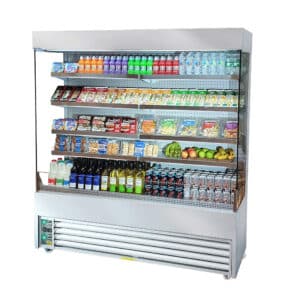 When you walk into a grocery store, one of the first things you’ll likely notice is the open fridge full of food. It’s a convenient way to see what’s available, and it also helps keep the store cool. However, there are some drawbacks to this system.
The biggest drawback is that it can be difficult to keep track of what you’re buying. With all of the food on display, it’s easy to get distracted and buy more than you intended. This can lead to wasted food and increased grocery bills.
Another drawback is that open fridges can be a breeding ground for bacteria. If something isn’t stored properly or if it’s not cleaned regularly, it can quickly contaminate the rest of the food in the commercial fridge. This can lead to food poisoning and other health problems.
Despite these drawbacks, open multideck fridges remain a popular way to display food in grocery stores. They make it easy to see what’s available and they’re a great way to keep the store cool. If you’re careful about what you buy and you take care of the food properly, there’s no reason why an open fridge can’t be a helpful part of your grocery shopping experience.
Drinks fridges
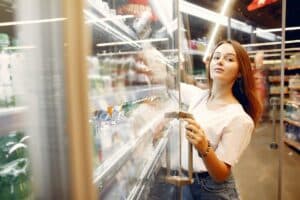 Drinks fridges for grocery stores are typically very large, and they hold a lot of different types of beverages. They usually have a section for cold drinks, a section for warm drinks, and a section for speciality drinks. The cold drinks section usually has a variety of soft drinks, fruit juices, and milk. The warm drinks section usually has coffee, tea, hot chocolate, and soup. The speciality drinks section usually has alcoholic beverages and non-alcoholic smoothies.
Most grocery stores also have a section for drinks that are not refrigerated. This section usually has bottled water, soft drinks, fruit juices, and milk. Some stores also have a section for fountain drinks. The fountain drinks section usually has Coca Cola, Pepsi, Sprite, Fanta, and Mountain Dew.
Drinks fridges for grocery stores are a great way to keep your drinks cold and organized. They make it easy to find the drink that you are looking for, and they help keep your drinks fresh. If you are looking for a new fridge for your grocery store, then be sure to check out the drinks fridges from Display-Fridge Wholesale.
Deli counter fridges
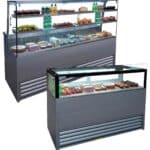 The deli counter fridge is a great way to keep your cold cuts and other perishables organized and accessible. They’re typically placed near the deli counter in grocery stores, so you can grab what you need without having to wander through the store.
There are a few things you’ll want to keep in mind when choosing a deli counter for your store. First, make sure you pick a model that’s big enough to fit all of your products. You’ll also want to choose a fridge with stable temperature control, so your food stays fresh.
Upright display freezers
 Upright display freezers are an important part of the grocery store. They keep the food cold and help to preserve it. A commercial freezer is usually a standalone unit that is placed in a convenient spot in the store. This allows customers to easily see and select the food that they want. The freezer also helps the store to keep its inventory organized.
There are a few different types of upright display freezers. The most common type is the glass door freezer. This freezer has a glass door that allows customers to see the food inside. The freezer can also be open from the top or the bottom. This type of freezer is typically used in convenience stores and small grocery stores.
Another type of upright display freezer is the solid door freezer. This freezer does not have a glass door, so customers cannot see inside. This type of freezer is typically used in larger grocery stores. It is important to note that the solid door freezer can be more energy-efficient than the glass door freezer.
Chest freezers
 Chest freezers for grocery stores are an important part of the business. They are used to store food items that need to be kept cold, such as meat and dairy products. Chest freezers are also used to store frozen food items, such as pizza, chicken nuggets, and ice cream.
Chest freezers come in a variety of sizes, and it is important to choose the right size for your grocery store. The wrong size freezer can lead to wasted space and missed opportunities to sell frozen food items.
When choosing a chest freezer for your grocery store, you will need to consider the power requirements. Most chest freezers require a lot of power, so you will need to make sure you have a compatible electrical outlet.
Read also about:
- Commercial Fridges vs Domestic Refrigerators
- How Does a Fridge Work?
- Guide to Selecting the Right Fridge for Your Shop
- How to Maintain your Commercial Fridge
Produce Containers
Produce containers are important for grocery stores because they allow the store to keep track of their inventory and make sure that they are not running out of any produce. The containers also help to protect the product from damage, and they make it easy for customers to select the products that they want. In addition, the containers can be used to promote different types of produce, and they can be decorated in a way that will attract customers.
Produce containers come in all shapes and sizes, and there are a variety of options that grocery stores can choose from. Some of the most popular options include cardboard boxes, plastic bags, and paper sacks. However, there are also other options available, such as mesh bags and fabric totes.
Bags
Ecological bags are made of natural materials such as cotton, jute, or hemp. They are biodegradable, and therefore can be composted. The downside is that they are not as strong as disposable bags, so they may not hold up as well when carrying heavier items.
Disposable bags for groceries are made of plastic. They are not biodegradable, but they can be recycled. The downside is that they take up space in landfills and can often end up as litter.
There are many benefits to using ecological bags over disposable bags when grocery shopping. For one, ecological bags are made of sustainable materials like cotton and jute, which means they can be reused many times. Disposable bags, on the other hand, are made of non-renewable materials like plastic that can take centuries to decompose.
Ecological bags are also better for the environment. Every time a disposable bag is used, it takes up to 1,000 years to decompose in a landfill. By contrast, when an ecological bag is used multiple times, it only takes about three months to decompose in a landfill. This reduces the amount of waste that ends up in landfills, which helps preserve our environment.
Finally, ecological bags are better for your wallet. Disposable bags can be quite expensive, especially if you buy them in bulk. Ecological bags, on the other hand, are typically much cheaper and can often be reused many times. So not only are they good for the environment, but they’re also good for your bank account!
Shopping Baskets
Shopping baskets for grocery stores come in all shapes and sizes. Some are large and can carry a lot of groceries, while others are small and more suited for carrying a few items.
When shopping for a grocery store, it is important to consider what type of basket will work best for your needs. If you plan on doing a lot of grocery shopping, a large basket would be the best option. If you only need to pick up a few things, a smaller basket would be more appropriate.
No matter what size or shape your chosen basket may be, it is important to make sure that it is sturdy and can hold up to the weight of your groceries. Otherwise, you may end up with a broken basket and groceries all over the floor!
Merchandiser Stands
Merchandiser stands are a great way to merchandise your grocery store. They are very versatile and can be used to display a variety of items. You can use them to merchandise your entire store, or you can use them to merchandise specific areas, such as the produce department or the bakery.
There are a few different types of merchandiser stands, and each type has its own advantages and disadvantages. The most common type of merchandiser stand is the wire stand. Wire stands are very versatile and can be used to display a variety of items. They are also very affordable, which makes them a popular choice for grocery stores.
Another common type of merchandiser stand is the shelf stand. Shelf stands are perfect for displaying large items, such as boxes of cereal or bottles of soda. They are also great for displaying items that need to be kept cold, such as meat or cheese. However, shelf stands can be quite expensive, and they take up a lot of space in your store.
Merchandiser Racks
Merchandiser racks for grocery stores can be found in a variety of different shapes and sizes. Typically, they are made out of metal or plastic and are designed to hold a large number of products. Most grocery stores use these racks to display their merchandise in an organized manner, making it easy for customers to find what they are looking for.
There are a few different types of merchandiser racks that you might see in a grocery store. The most common type is the standard rack, which is usually rectangular or square in shape. It typically has several levels that can be used to store products, and each level has multiple slots that can hold items of different sizes.
Another type of rack is the pegboard rack. This rack is made up of several horizontal boards that are attached to a metal frame. The boards have small holes in them, which allows products to be hung from them using hooks or pegs. This type of rack is typically used to display clothing or other hanging items.
The final type of merchandiser rack is the free-standing tower. This rack is triangular or cylindrical in shape, and it stands on its own without needing to be attached to a wall or shelf. It typically has several levels that can be used to store products, and each level has multiple slots that can hold items of different sizes.
Marketing Strategies
The purpose of advertising is to provide you with the necessary information regarding a store’s products or services. Advertising will help:
-
Convince customers that the store offers a great selection of products and they won’t find better prices anywhere else.
-
Launch new products
-
Content-focused on improving the level of trust or respect the company has shown its customers or potential customers before and after their purchase
-
Draw customers into the store with your cheerful, inviting and pleasant staff.
Effective grocery advertising includes newspapers, magazines, direct mail, radio, TV, and personal selling.
Speciality advertising helps customers find your store and emphasizes the type of products you sell. For example, if you sell shirts, then putting up an advertisement on popular shirt sites might not be as effective as having a specialized ad that only targets people who like the colour green. There are many kinds of advertising specialities. For example, there are calendars, matchbooks, pens, pencils and magnets. Other types of advertising media include using shopping bags and brochures with samples inside. Social media is a cost-effective and fast platform to share information with your audience.
Create a Suppliers and Distributors Network
The goods that you’re going to be selling include food and drink items, cigarettes, alcohol, paper and household goods, and fuel. These items all need wholesalers for you to purchase them from. You will have to decide whether to use a wholesaler that requires large orders or several limited-function ones. The latter will be more expensive and means additional work for you.
Here are some things to keep in mind before deciding which option suits your business best. The decision process will vary depending on the needs of your business. If you run a small store, you may prefer to get cheaper supplies from price-club stores and then be responsible for picking them up and shipping them yourself.

Read also about
- How to Start a Takeaway Business
- Top Commercial Fridges for Takeaway Shops
- How To Comply With The Food Safety Rules In A Restaurant
- Best practices for storing meat in a restaurant fridge
- The Most Important Cake Shop Appliances
- How to Improve your Cake Shop
Grocery Stores FAQ
Grocery stores offer customers a variety of food items, which they can purchase to cook in their homes. Grocery stores can also offer other services, such as pharmacy and banking. Many people have questions about grocery stores, so an FAQ related to grocery stores and convenience shops is a great choice to answer the most common questions.
What is a Grocery Store?
A grocery store also called a convenience shop is a business that sells food and household items.
Grocery stores can be either small or large, and they offer a variety of items for sale. Some grocery stores are specialized, selling only certain types of food or items. Others are general stores that sell a little bit of everything.
Grocery stores are typically open every day of the week, and they may have different hours on different days. Some people prefer to shop at grocery stores because they can find everything they need in one place, while others prefer to shop at speciality stores or farmers’ markets.
What Are The Factors To Consider Before Starting A Grocery Store?
-
Location: The first factor to consider when starting a grocery store is the location of your business. You’ll want to choose a spot that is convenient for your customers, and that has enough foot traffic to generate sales.
-
Size: The size of your grocery store will also play a role in determining its success. Make sure you have enough space to stock a variety of products, and that you have room to grow as your business expands.
-
Budget: The third factor to consider is your budget. This includes the cost of setting up your store, as well as the ongoing expenses associated with running it. Be sure to have a realistic idea of how much money you’ll need to get started and how much you’ll need to budget for each month.
-
Products: The fourth factor to consider is the type of products you’ll sell. You’ll want to choose a mix of staple items and speciality items that will appeal to your target market.
-
Staff: The fifth factor to consider is the staffing requirements for your store. You’ll need to have enough employees on hand to handle customer inquiries, stock shelves, and run the cash registers.
-
Marketing: The sixth factor to consider is your marketing strategy. You’ll need to come up with a plan for how you’re going to attract customers and keep them coming back week after week.
What Do You Need To Start A Supermarket Or Grocery Store?
-
Identification Number
-
Retailer Authorizations
-
Licenses
-
Store facility
-
Ecommerce and Supply Chain Management Software
-
POS
-
Grocery Baskets
-
Delivery Cars
What Are The Ongoing Expenses For A Grocery Store?
-
Licenses and permits renewal fees
-
Tax and insurance
-
Salaries
-
Utility bills
The expenses for a grocery store can vary greatly depending on the size of the store, the location, and the products that are sold. However, some of the most common expenses include inventory, employee salaries, and rent or lease payments.
Inventory is one of the most important expenses for a grocery store. Stores must have a wide variety of products in order to meet the needs of their customers. The cost of inventory can be expensive, but it is necessary in order to stay competitive.
Employee salaries are also a major expense for grocery stores. The cost of paying employees can be significant, but it is important to have enough staff on hand to meet the needs of customers.
Rent or lease payments are another common expense for grocery stores. Retail space is often expensive, so store owners must pay a lot of money to lease or rent a property. This expense can be a major factor in determining the profitability of a store.
There are many other expenses that can affect a grocery store, but these are some of the most common. By understanding these expenses, store owners can make informed decisions about how to run their businesses.
Is It Profitable To Open A Grocery Store?
Opening a grocery store can be a very profitable business venture, but there are a few things to consider before opening up a shop. The first thing you’ll need to do is research your local competition and find out what they’re charging for similar items. You’ll also need to find a good location for your store that’s accessible to your target market.
Another important factor to consider is your overhead costs, which will include things like rent, utilities, and inventory. You’ll also need to think about how you’ll finance your start-up costs and how you’ll manage your day-to-day operations. If you can answer these questions and come up with a solid business plan, then opening a grocery store can be a very profitable endeavour.
How Profitable Is A Supermarket?
Some grocery stores generally have profit margins of 3-4%. A supermarket can be a very profitable business if it is run correctly. However, there are a few things that a supermarket must do in order to be profitable. One of the most important things is to keep costs low. This can be done by negotiating prices with suppliers, choosing the right location, and offering discounts to customers.
Conclusion
You should start with a small inventory and gradually expand your product selection based on customer demands and requests. You need to make sure that you have a plan in place to prevent theft and losses. If you are carrying perishable items, it is important to calculate the cost of loss of these products should they go bad before they are sold.
The moment to introduce yourself to the community has come. Show the residents why they should give their business to you, opening your doors at this very moment. Some grocery stores generally have profit margins of 3-4%. The company is generally able to avoid labour costs by hiring more part-time employees – which are then less generous with benefits. This allows them to minimize costs and makes it easy to adjust those accordingly. When possible, these organizations are also mindful of shrinkage (theft and spoiled products).
Convenience retailing is a fairly new approach to shopping. Consumers now make fewer, larger trips and prefer to ‘top up’ their needs from convenience stores instead. Written by our experienced bloggers, this guide will help you start and run your own convenience store.
More articles:
How to store fruits and vegetables in a grocery store
10 Ways to Improve Supermarket Food Sales
How to Maintain the Food Fresh in a Store
How to Organise your Commercial Fridge in the store